
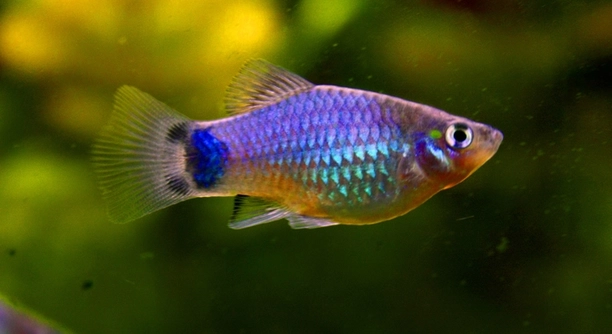
Are your platies suddenly staying out of sight during daylight hours, making your tank seem a little emptier than usual?
Platies often hide during the day due to stress, environmental changes, or threats in their surroundings. Common causes include poor water quality, aggressive tank mates, or sudden shifts in lighting and temperature conditions.
Learning what influences your platies’ behavior can help you create a calmer, healthier environment that encourages them to feel safe and stay visible.
Common Reasons Platies Hide During the Day
Platies are usually active and curious, so when they begin to hide during the day, it’s often a sign that something in their environment isn’t right. Poor water conditions are one of the most frequent causes. Ammonia spikes, high nitrate levels, or inconsistent pH can make platies feel unsafe, leading them to retreat into decorations or plants. Aggressive tank mates can also push platies into hiding. If they are being chased or nipped, they will try to find shelter. Bright or sudden lighting changes can overwhelm them, especially if there’s no shade or cover in the tank. Even loud noises or vibrations outside the tank may trigger stress. Lastly, new additions to the tank or changes in décor can throw off their sense of security. Monitoring their behavior closely after any adjustment can help you spot patterns and respond quickly.
Platies are sensitive to change, and even small disruptions can influence their comfort level during the day.
To reduce hiding, make sure your tank is stable and calm. Start by checking water parameters using a reliable test kit. Adjust lighting to be softer and more gradual during transitions from day to night. Avoid placing the tank in high-traffic or noisy areas. If aggressive fish are present, consider separating them or rearranging tank decorations to create more hiding spots and break lines of sight. Also, make sure your platies are in a group, as they are social and feel safer with companions. Feeding them at consistent times and keeping their habitat consistent will also help reduce stress. Watch their behavior over a few days to see if they start coming out more. If not, it may be worth checking with a vet who has experience with fish. By staying observant and making gradual improvements, you can help your platies feel more secure and relaxed during the day.
Creating a Safe and Comfortable Tank
Give your platies enough places to hide, but also reasons to come out and swim confidently in their space.
Start with providing natural-looking hiding spots like live plants, rocks, and small caves. These give platies a sense of security and help reduce stress. A mix of open space and sheltered areas allows them to choose where they feel comfortable throughout the day. Avoid harsh lighting; use dim or adjustable aquarium lights that mimic sunrise and sunset. Keep the temperature stable, ideally between 72°F and 78°F. Consistent water quality is key—change 25% of the water weekly and check parameters often. Avoid overcrowding the tank, as too many fish can make platies feel threatened. Choose peaceful tank mates like tetras or corydoras, and keep at least three to five platies together to prevent loneliness. A balanced diet also plays a role; feed them small portions of high-quality flakes or pellets twice a day. These steps will help your platies feel at ease and encourage them to be active during the day.
How Tank Mates Can Affect Behavior
Aggressive or overly active fish can make platies feel nervous or unsafe. This often leads to daytime hiding, especially if they are being chased or picked on repeatedly.
Avoid housing platies with fin-nippers or territorial species like tiger barbs or some cichlids. Even semi-aggressive fish can create tension if the tank is small or lacks hiding spaces. Platies do best with peaceful companions that swim at different levels of the tank. When choosing tank mates, aim for species that are similar in temperament. It’s also helpful to watch closely after introducing new fish. If your platies start hiding more, it could mean the new tank mate is causing stress. Rearranging decorations or adding plants can break up aggressive behavior. In some cases, you may need to rehome certain fish or move your platies to a more peaceful setup where they feel safe to swim freely.
Grouping platies with others of their kind is also important. They feel more secure in small groups, which helps reduce stress. When kept alone or with too few companions, they may become withdrawn or inactive. A group of at least three to five platies encourages natural behavior, like exploring and social swimming. This setup gives them confidence and makes it easier to spot any signs of illness or stress. Avoid placing them in overcrowded tanks where space becomes limited. The more calm and well-balanced the tank is, the more likely your platies are to stay active during the day. If hiding continues even in a peaceful group, look into other stress triggers like lighting or water changes.
Environmental Triggers and Stress Factors
Sudden changes in the tank can stress out platies and lead to hiding. This includes shifts in temperature, light intensity, or even changes in tank layout and decorations.
Keeping your tank stable is one of the best ways to prevent hiding. Use a heater and thermometer to maintain a steady temperature between 72°F and 78°F. Avoid placing the tank near windows, heaters, or air vents, as these can cause fluctuations. Lighting should be on a regular schedule, ideally 8 to 10 hours a day, and transitions should be gradual to avoid startling the fish. When cleaning or rearranging the tank, do it slowly and avoid major changes all at once. Even moving a decoration can make platies feel unsure. Adding too many new fish at once can also upset the balance. Always quarantine new fish and introduce them slowly. Reducing stress through calm, consistent care will help your platies stay visible and relaxed.
Noise and vibration around the tank are other factors that may cause stress. Avoid tapping the glass or placing the tank near loudspeakers, televisions, or foot traffic. Platies are sensitive to these disturbances, and repeated exposure can make them more skittish. If you have young children or pets in the home, try to keep their interaction with the tank gentle and calm. Even small adjustments, like moving the filter or switching the type of food too quickly, can affect how secure platies feel. The more consistent your care routine is, the more likely your fish will feel comfortable during the day. Making their space quiet, steady, and peaceful is a key part of encouraging healthy behavior.
Feeding Habits and Their Role
Platies may hide if feeding times are inconsistent or if they aren’t getting enough to eat. Missed meals or sudden changes in food can create anxiety, especially if more dominant fish eat everything first.
Stick to a simple routine by feeding small amounts twice a day. Use high-quality flakes or pellets, and avoid overfeeding, which can harm water quality. If food floats too long, it may break down and create cloudy water, adding more stress. Watch to make sure each platy gets a chance to eat without being pushed away.
When to Worry About Illness
If your platy is hiding all day and showing other signs like clamped fins, rapid breathing, or dull colors, illness may be the cause. Parasites, infections, or swim bladder issues can make fish feel weak or vulnerable, causing them to hide more often. Check for spots, bloating, or erratic swimming. Testing your water and isolating the sick fish early can prevent problems from spreading. Medication may help, but it’s best to confirm the issue first. Keep the tank clean and stable, and consider seeking advice from a vet who understands fish health if symptoms don’t improve after a few days.
Natural Behavior vs. Something Wrong
It’s normal for platies to rest in shaded spots or take short breaks during the day. Constant hiding, though, usually signals that something’s not right with their environment, health, or tank mates.
FAQ
Why do my platies only come out at night?
Platies are naturally more active during the day, but if they hide and only come out at night, it usually means they feel unsafe during daylight hours. This could be due to aggressive tank mates, poor water quality, or harsh lighting. Nighttime is quieter and darker, so they feel less threatened.
How can I tell if my platy is stressed or sick?
Signs of stress or illness include hiding constantly, clamped fins, loss of color, rapid breathing, and slow movement. Look for spots, swelling, or unusual behavior like swimming upside down. If you see these signs, test water quality and consider isolating the fish.
Can lighting affect platy behavior?
Yes, very bright or sudden lighting changes can scare platies. They prefer softer, natural light with gradual transitions. Use a timer to keep a consistent light schedule of 8 to 10 hours per day. Avoid placing the tank near windows or strong artificial lights.
What tank mates are best for platies?
Platies do best with peaceful fish like tetras, guppies, and corydoras. Avoid aggressive or fin-nipping fish that might chase or stress them. Keeping platies in groups of at least three helps them feel secure and encourages natural behavior.
How often should I feed my platies?
Feed small amounts twice a day, giving only what they can eat in a few minutes. Overfeeding can pollute the water and cause stress. Use high-quality flakes or pellets, and offer occasional treats like frozen or live foods for variety.
Why are my platies hiding after a water change?
Water changes can disrupt the tank’s balance and stress fish if done too quickly or in large amounts. Always change no more than 25% of the water at a time and use a conditioner to remove chlorine. Keep water temperature and parameters stable during changes.
Is it normal for platies to hide sometimes?
Yes, platies rest and hide occasionally to feel safe, especially around plants or decorations. Short hiding periods are normal, but if they stay hidden most of the day, something in their environment or health may need attention.
Can overcrowding cause platies to hide?
Overcrowding increases stress and competition for food and space. This can cause platies to hide more often to avoid conflicts. Make sure your tank isn’t too crowded and provides enough room for all fish to swim comfortably.
How do I create hiding spots for my platies?
Add live or artificial plants, rocks, and caves to the tank. These provide shelter and security for platies. Make sure there’s a balance of open swimming space and shaded areas. Rearranging decorations occasionally can help reduce aggression and keep the environment interesting.
When should I consult a vet about my platies?
If your platies continue hiding with signs of illness like lethargy, color loss, or odd swimming after improving tank conditions, it’s time to get professional help. A vet can diagnose infections, parasites, or other issues that need treatment.
Why do platies hide more after adding new fish?
Introducing new fish can disrupt the tank’s social balance and stress platies. They may hide to avoid aggression or because they feel unsure about the new additions. Introduce new fish slowly and watch for signs of bullying. Providing extra hiding spots helps reduce tension.
Platies are lively fish that usually enjoy exploring their tank during the day. When they start hiding frequently, it often signals that something in their environment is causing stress or discomfort. Common reasons include poor water quality, aggressive tank mates, or sudden changes in lighting or temperature. These factors can make platies feel unsafe, leading them to seek shelter instead of swimming freely. Understanding the reasons behind their hiding helps in making simple changes that improve their well-being.
Creating a calm and stable environment is key to encouraging platies to be more active and visible. Maintaining clean water with regular tests and partial water changes supports their health. Keeping the tank at the right temperature, avoiding bright or sudden lighting, and choosing peaceful tank mates also play important roles. Adding plants, rocks, or decorations offers hiding places that help platies feel secure without isolating them completely. Feeding them on a consistent schedule with proper food prevents stress related to hunger or competition.
Patience is important when working to improve your platies’ comfort. Changes in behavior might not happen overnight, but small, steady steps toward better tank conditions can make a big difference. Observing your fish closely helps you notice what works and what doesn’t. If hiding continues despite your efforts, checking for illness and consulting a fish health expert can provide answers. With careful attention, you can help your platies feel safe and enjoy their time swimming openly during the day.

Hello,
If you enjoy the content that we create, please consider saying a "Thank You!" by leaving a tip.
Every little bit helps us continue crafting quality advice that supports the health, happiness, and well-being of pets around the world, for pets of all shapes, sizes, and species.
We really appreciate the kindness and support that you show us!