
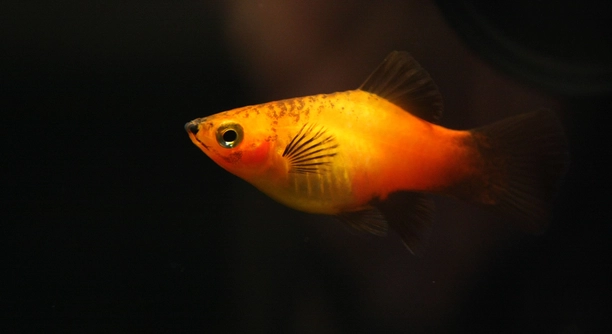
Are your platies suddenly darting around near the glass, making you wonder if something is wrong in their tank environment?
Platies often dart near the glass due to stress, reflections, or changes in water conditions. This behavior may signal discomfort, an attempt to escape, or a reaction to external stimuli. Monitoring their environment is essential.
Learning the cause behind this behavior can help you create a more stable, healthy space for your platies to thrive in.
Common Reasons Your Platies Are Darting Near the Glass
Platies are active fish, but when they start darting around near the glass, it can be a sign something is off. One common cause is poor water quality. Ammonia or nitrite spikes may irritate your fish, leading to erratic behavior. Strong reflections on the glass can also confuse them, especially if they think another fish is nearby. Sudden movement in the room, such as people passing or lights switching on and off, might startle them. Aggression from tank mates or overcrowding can increase stress, too. Additionally, hunger or a new feeding schedule could make them more active near the front of the tank. Sometimes, they’re simply reacting to changes you’ve recently made in their environment. Platies are sensitive to fluctuations, even minor ones. Always test your water, check for tank aggression, and observe for signs of illness or stress-related behavior. Consistency helps them feel safe and secure.
Your platies may also be reacting to temperature changes, especially during seasonal shifts or if the heater is inconsistent.
If your fish suddenly begin darting more often, try adjusting tank conditions gradually. Maintain proper lighting, reduce reflective surfaces, and provide plenty of hiding spaces. Ensuring a stable, calm tank encourages natural and relaxed swimming patterns.
When Darting Indicates a Health Issue
Darting can sometimes be linked to parasites or external infections. Flashing, rapid gill movement, or faded color may appear alongside darting. These are signs that need attention, as illness may be developing in your fish.
If the darting persists despite correcting environmental factors, consider testing for parasites or internal infections. Fish with gill flukes, ich, or bacterial infections often display restless swimming, flashing against decorations, or visible spots and discoloration. In these cases, it’s important to quarantine the affected fish and treat with appropriate medications. You can find broad-spectrum treatments for parasites or antibacterial remedies at most aquarium supply stores. Follow directions carefully and avoid overmedicating. At the same time, enhance water quality with regular partial water changes and limit stress by minimizing disruptions in the tank. Remove aggressive tank mates if needed. When illness is caught early, recovery is more likely, and your platies can return to calm, healthy behavior in just a few days.
How Tank Setup Affects Behavior
A poorly arranged tank can make your platies feel unsafe. Lack of hiding spots, too much light, or strong currents may lead them to dart near the glass in search of shelter or a calmer area.
Start by checking the tank layout. Platies prefer a peaceful setup with plants, hiding spots, and moderate lighting. Strong filters or pumps can create currents that are too powerful, pushing them to the sides of the tank. If they don’t have anywhere to retreat, they may panic and swim frantically along the glass. Use live or artificial plants, smooth decorations, and ensure there’s enough open space for them to swim calmly. Keep lighting soft and consistent. Bright lighting can cause stress and make the tank feel too exposed. Rearranging the layout with their comfort in mind helps prevent this behavior. A secure tank setup often leads to more relaxed, natural swimming.
Always monitor how your platies respond after you change the tank. If darting stops, your adjustments worked. But if they still seem uneasy, double-check water flow, hiding spots, and placement of tank equipment. Even small layout changes—like moving the filter or adding one more plant—can reduce stress and make them feel safer. Stability matters more than style in fish tanks.
External Stimuli and Reactions
Loud noises, sudden movement, or changes in lighting near the tank can easily stress platies. They may dart back and forth, trying to escape or find cover, even if nothing inside the tank has changed recently.
Keep their tank in a calm, low-traffic area. If your tank is near a TV, door, or hallway, your platies might be reacting to foot traffic, flashing lights, or even vibrations from electronics. It helps to reduce noise and avoid turning lights on or off abruptly. Covering one side of the tank with a background poster can block reflections and create a sense of security. Avoid tapping the glass or placing objects too close to it. Some platies are more sensitive than others, so take note of how they react during the day. Once they associate their environment with safety, darting behaviors tend to fade. Environmental calmness helps reduce overreaction and keeps them steady.
Feeding Time and Learned Behavior
Platies often associate movement near the tank with feeding. If they see you approach, they may dart near the glass out of excitement, especially if they’ve been trained to expect food at certain times.
Overfeeding can cause health problems, so it’s important to stay consistent. Feed them once or twice daily with small amounts.
Breeding and Mating Activity
During mating periods, platies may dart more frequently, especially males chasing females. This behavior can be intense and look like stress, but it’s part of their natural breeding pattern. Males may become more active, while females try to avoid them. To reduce stress, add plants and hiding spots, giving females a break from attention. If necessary, separate males temporarily. Keep the male-to-female ratio balanced—ideally one male for every two or three females. This helps spread out the attention and prevents constant chasing. When managed properly, this behavior fades once mating efforts slow down, and the tank returns to a calmer pace.
Reflections and Glass Behavior
Platies sometimes mistake their reflection for another fish, leading to darting near the glass. This usually happens in brightly lit tanks or when light hits at certain angles. Reducing reflections with a background or adjusting the light can help calm their behavior.
Why are my platies darting near the glass suddenly?
Sudden darting near the glass often points to stress or changes in their environment. It might be caused by poor water quality, sudden noises, or strong reflections that confuse them. If you recently moved the tank or changed decorations, your platies may be reacting to the new setup. Check water parameters like ammonia, nitrite, and nitrate levels, as poor water conditions can make fish restless. Make sure there are no aggressive tank mates disturbing them. Providing hiding spots and reducing tank disturbances usually helps calm their behavior.
Can darting near the glass mean my platies are sick?
Yes, darting can be a sign of illness, especially if it’s accompanied by other symptoms like flashing (rubbing their bodies against surfaces), faded colors, or labored breathing. Parasites like ich or gill flukes often cause this restless swimming. Bacterial infections can also lead to abnormal behavior. In such cases, quarantine the affected fish and treat them with appropriate medication. Maintaining clean water and a stable environment supports recovery and prevents illness.
Is tank setup important to prevent darting behavior?
Tank setup plays a major role in fish comfort. Lack of hiding places, too much light, or strong currents can make platies feel exposed or stressed. A peaceful environment with plants, decorations, and gentle water flow helps them feel secure. Soft lighting reduces reflections that might trigger darting. Rearranging the tank for their comfort often leads to calmer swimming and less frantic behavior.
Could reflections on the glass cause platies to dart?
Yes, reflections can trick platies into thinking there are other fish nearby, causing them to chase or flee near the glass. This is more common in brightly lit tanks or those without a background. Using a dark background or adjusting lighting angles reduces reflections and helps fish relax.
How does feeding affect platies’ darting?
Platies learn to associate movement near the tank with feeding time. They may dart near the glass when they see you approach, expecting food. Overfeeding to calm them isn’t advised, as it can cause health issues. Feeding small, consistent portions once or twice a day keeps them healthy and reduces frantic behavior linked to hunger.
Does breeding cause darting behavior in platies?
Yes, during breeding periods, males may chase females aggressively, leading to darting near the glass or other areas of the tank. This natural behavior can stress females. Adding hiding spots and maintaining a proper male-to-female ratio (one male to two or three females) reduces constant chasing. If necessary, separate males temporarily to give females a break.
Can water temperature changes affect darting?
Sudden temperature fluctuations can stress platies, causing erratic swimming or darting near the glass. Keep the temperature stable between 72°F and 78°F (22°C to 26°C). Avoid placing the tank near drafts or direct sunlight. Using a reliable heater with a thermostat helps maintain a consistent environment.
Is sudden noise or movement outside the tank a factor?
Platies are sensitive to loud noises and sudden movements outside the tank. Foot traffic, TV sounds, or household activity can startle them. Place the tank in a quiet, low-traffic area to minimize disturbances. Avoid tapping the glass or shaking the tank, as this increases stress and darting behavior.
How can I reduce darting caused by aggression?
Aggressive tank mates can cause stress and darting in platies. Observe interactions closely and remove any overly aggressive fish. Provide enough space and hiding spots to reduce territorial disputes. Choosing peaceful companions helps maintain a calm environment for your platies.
When should I be worried about my platies darting?
If darting is constant, combined with other signs like lethargy, loss of appetite, or visible illness, it’s time to act. Test water quality immediately and check for parasites or infections. Early treatment improves recovery chances. If unsure, consult an aquatic specialist for advice.
When platies dart near the glass, it is usually a sign that something in their environment is causing stress or discomfort. This behavior can stem from many factors, such as poor water quality, reflections, or changes in the tank setup. It is important to observe your fish carefully and consider any recent changes you have made to their habitat. By paying attention to water conditions, tank layout, and tank mates, you can identify the cause of the darting behavior and take steps to improve their comfort. Keeping a consistent environment helps platies feel secure and reduces sudden, frantic swimming.
Another common reason for platies darting near the glass is related to their health or breeding habits. Illnesses, parasites, or infections can cause restlessness, which often shows up as darting or flashing behavior. Breeding activity, especially with males chasing females, also increases swimming speed and intensity. It is important to balance the number of males and females in the tank and provide plenty of hiding spots to reduce stress. Regular water testing and tank maintenance can prevent many health issues before they start, keeping your platies calm and active in a healthy way.
Overall, understanding why your platies dart near the glass helps you create a better living space for them. Small adjustments like rearranging plants, controlling lighting, and maintaining clean water can have a big impact. Patience is key because platies may take time to settle after changes. Watching their behavior closely and making steady improvements will lead to a happier, healthier aquarium. With proper care, your platies will swim calmly, showing off their bright colors and natural personalities.

Hello,
If you enjoy the content that we create, please consider saying a "Thank You!" by leaving a tip.
Every little bit helps us continue crafting quality advice that supports the health, happiness, and well-being of pets around the world, for pets of all shapes, sizes, and species.
We really appreciate the kindness and support that you show us!