
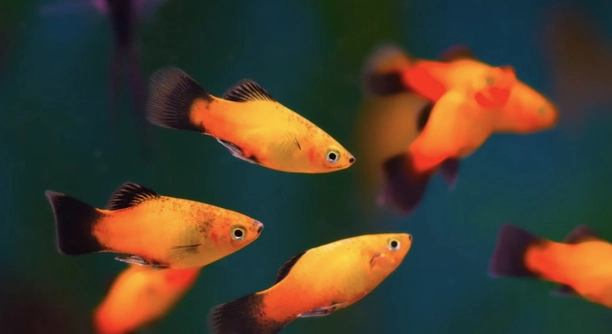
Are your platies often chasing or nipping at each other, leaving you wondering if this behavior is normal or something to worry about?
Platies often bite each other due to territorial behavior, stress, overcrowding, or competition for food and mates. This type of aggression is typically seen more in males or when the tank environment lacks enough space or hiding spots.
Knowing the reasons behind this behavior will help you create a calmer, healthier space for your fish and prevent future problems.
Common Reasons Your Platies Are Biting Each Other
Platies can seem peaceful at first, but biting often starts when they feel uncomfortable or crowded. Male platies tend to be more aggressive, especially when they’re competing for females or territory. If your tank is too small or lacks proper decorations, your fish might struggle to establish personal space. This can lead to constant chasing, nipping, and stress. Another common reason is a skewed male-to-female ratio. Having too many males and not enough females can cause fighting and tension. Stress from poor water quality, sudden changes in temperature, or lack of food can also bring out aggressive behavior in otherwise calm fish. Watching their behavior and making small adjustments in their environment usually helps reduce conflict. Understanding what causes this behavior is important so you can prevent injury and keep your fish calm and healthy over time.
Separate aggressive fish if the biting continues despite tank changes. This helps prevent injury.
You can also add more plants or hiding spots to break up sightlines and give each fish a place to retreat. Live or artificial plants, small caves, and decorations can help reduce stress and make the tank more peaceful. Keeping the group balanced—ideally one male for every two or three females—also keeps competition low. Platies thrive in community tanks, but only when their environment feels secure. Test water regularly to avoid hidden stressors, and make sure everyone is getting enough food. If biting only started after adding new fish, keep a close eye on how they interact. It may take a few days for the group to settle down. With attention to tank size, setup, and balance, you can usually manage or even stop the biting without needing to separate them long term. Peaceful tanks start with good preparation.
When Biting Becomes a Health Concern
Persistent biting can cause open wounds and lead to infection if not addressed quickly. Damaged fins or missing scales are common signs.
If your platies continue to bite even after environmental improvements, you may need to take additional steps. First, monitor each fish for signs of injury or stress, such as torn fins, missing scales, hiding more than usual, or reduced appetite. A stressed fish is more likely to fall ill, especially in a tank with poor water quality. Adding aquarium salt can help with healing, but only if used properly and in moderation. Quarantining injured or highly aggressive fish gives them time to heal and helps break the cycle of fighting. Keep up with regular maintenance like weekly water changes and filter cleaning. If you notice infections forming, consider using appropriate treatments from a trusted aquarium supply store. Staying on top of these details will help your platies recover and get along better in the future.
How Tank Setup Affects Behavior
Tank size and layout directly affect how your platies behave. A tank that’s too small or bare can make them anxious and more likely to chase or bite. Giving them space helps prevent this.
For a small group of platies, a 20-gallon tank is a safe minimum. Larger tanks help reduce stress by giving each fish more room to swim and hide. Adding live plants, rocks, or ornaments gives them places to explore or retreat to when they feel threatened. These hiding spots help reduce line-of-sight confrontations and allow fish to establish their own space. Avoid overcrowding, which increases tension and competition. Platies are active swimmers, so open swimming areas are just as important as hiding spots. You don’t need expensive decorations—simple objects that break up the space will work. A well-arranged tank lowers aggression and helps your fish feel more secure in their environment.
Strong filtration and stable water temperature also play a role in tank harmony. Sudden shifts or dirty water can trigger stress-related behavior like nipping or chasing. Use a heater to maintain consistent temperatures around 72–78°F, and check that your filter is rated for your tank size. If the water quality drops, fish may start acting out. Regular water testing helps you catch problems early before they affect behavior. Changing 20–30% of the water each week keeps conditions clean and stable. Lighting should follow a day-night cycle to support natural activity levels. Keep the tank away from loud sounds or strong vibrations that may disturb your platies. When everything runs smoothly, you’ll often notice a calmer, more peaceful tank atmosphere.
Social Structure and Gender Ratios
Platies are social but need the right balance to live peacefully. Too many males often leads to aggression and constant chasing, especially toward females.
A healthy gender ratio is one male for every two or three females. This helps prevent overactive males from exhausting or stressing the females with nonstop attention. Males naturally compete, so when they outnumber the females, the energy in the tank shifts quickly toward aggression. If you see constant biting and chasing despite good tank conditions, count the number of each gender. You may need to rehome or separate one or two males to restore balance. Female-only groups are usually more peaceful, especially in smaller tanks. Watching how the group interacts will tell you if changes are needed. If one fish is clearly getting picked on, a divider or quarantine tank may help. Taking small steps can make a big difference in group behavior.
Signs the Biting Is Becoming a Problem
If you notice frayed fins, missing scales, or visible wounds, the biting has gone too far. These injuries can get infected and lead to serious health issues if not treated quickly.
Watch for hiding, skipping meals, or staying near the surface. These are signs of stress that shouldn’t be ignored.
Simple Ways to Reduce Aggression
Rearranging decorations or adding more plants can reset territories and ease tension. Use hiding spots to give fish a break from each other. Feed small portions twice a day to reduce food-related aggression. If biting continues, consider separating the most aggressive fish temporarily. Sometimes, a short break helps calm them down. Avoid adding new fish during stressful periods, as this can make things worse. Always observe your fish closely after changes. If one fish continues to pick fights, it may be best housed alone or in a larger community tank with more distractions. Small changes often go a long way in creating peace.
When to Ask for Help
If nothing works and the biting gets worse, it may be time to speak with a local aquarist or vet experienced in fish care.
FAQ
Why are my male platies always fighting?
Male platies often fight when there are too many of them in one tank. They naturally compete for territory, food, and especially females. If the male-to-female ratio is off—such as having two or more males per female—this can lead to constant chasing and biting. A small tank or one with few hiding spots also adds to the tension. You can reduce fighting by giving them more space, improving the tank layout, and sticking to a ratio of one male for every two or three females. If the fighting continues, separating the more aggressive male may be necessary.
Do female platies bite too?
Yes, female platies can bite, though it’s usually less frequent than with males. They may bite when stressed, especially during pregnancy or when space is limited. Poor water conditions and overcrowding can also trigger this behavior. Female aggression is often more about defending personal space rather than dominance. If biting among females becomes common, add more decorations or hiding spots and check your tank size. Keeping the water clean and stable helps a lot. Female-only tanks are usually calmer, but the setup still needs to support their natural behavior.
Can biting lead to serious health problems?
Biting can absolutely lead to health issues if not addressed. Damaged fins, open wounds, and missing scales increase the risk of infection. These injuries often don’t heal well in poor water conditions. If left untreated, a bacterial infection or fin rot can set in quickly, especially in a stressed fish. You should isolate injured fish when possible and use aquarium salt or approved treatments to help with healing. It’s also important to test the water regularly to avoid conditions that worsen healing. Catching the problem early helps avoid long-term damage or death.
How can I tell if it’s just playing or real aggression?
Sometimes platies chase each other in a way that seems playful, but real aggression usually includes nipping, torn fins, or one fish constantly hiding. If the same fish is always the target and looks stressed or injured, it’s likely serious. On the other hand, quick bursts of chasing with no visible damage might be harmless. Watch closely to see if the behavior continues or worsens. Also, take note of body language—raised fins, charging, or cornering another fish are warning signs. Observing over time helps you decide whether action is needed.
Should I separate biting fish right away?
You don’t always need to separate fish immediately, but if one is getting injured or chased nonstop, it’s better to act quickly. Try rearranging the tank first to break up territories. If that doesn’t help within a day or two, isolate the aggressive fish in a breeder box or separate tank. Temporary separation can calm them down and let injured fish recover. Keep in mind that separation is not a long-term fix if the main issue is tank size or social imbalance. Always look at the root cause while managing the behavior.
Will adding more decorations really help?
Yes, it makes a big difference. Decorations, live or artificial plants, caves, and hiding places give fish room to get away from each other. This reduces line-of-sight and helps break up aggressive behavior. When platies feel secure, they’re less likely to act out. A well-decorated tank mimics a more natural environment, and that lowers stress. Even simple items like rocks or ornaments placed in corners can help. Just be sure not to overcrowd the tank with too many objects—keep open swimming space too. Balance is key for both comfort and movement.
Can diet play a role in aggression?
Yes, poor diet or inconsistent feeding can increase stress and aggression. Hungry platies may compete for food and nip at each other more often. It’s best to feed them small, balanced meals twice a day. Use high-quality flake food and occasionally include freeze-dried or frozen options like bloodworms or daphnia. Overfeeding can also be a problem, as it harms water quality. Uneaten food can rot and spike ammonia levels, which stresses your fish and leads to health problems. Keeping a feeding schedule helps lower food-based aggression and keeps the tank cleaner.
Are platies okay in a community tank with other fish?
Platies usually do well in community tanks, especially with peaceful species like tetras, mollies, and guppies. But make sure the tank is large enough for everyone. Even in mixed groups, platies may still show occasional chasing, especially among males. Keep a balanced number of each type, and avoid pairing them with known fin-nippers like barbs. Always research the needs of other fish before adding them. Different species have different requirements for water temperature, diet, and space. When done right, a mixed tank can be lively and peaceful.
How often should I check on their behavior?
It’s best to observe your platies every day, even if it’s just for a few minutes. Check during feeding times and a few hours after, when they’re more active. Look for changes in behavior, signs of injury, or anything unusual. A fish hiding suddenly, swimming awkwardly, or staying near the surface may be dealing with stress or illness. Daily observation helps you catch problems early. Over time, you’ll learn what’s normal for your fish and when something is off. The sooner you notice something, the easier it is to fix.
Final Thoughts
Platies are peaceful in nature, but they can show signs of aggression when something in their environment isn’t right. Biting is one of the most common behaviors owners notice, and it can happen for many reasons. Most of the time, it’s caused by stress, overcrowding, or an unbalanced ratio of males to females. Other times, the tank may be too small, or there may not be enough hiding spaces. If these needs aren’t met, your platies may start chasing and nipping each other as a way to cope. These actions are their way of showing discomfort, not just random behavior.
The good news is that most biting problems can be managed by adjusting their environment. Giving your platies a bigger tank, more plants, and enough room to swim can help calm things down. Making sure water quality is stable and feeding them the right amount of food also makes a big difference. Rearranging tank decorations or changing the social balance by removing extra males can help reduce tension. It’s also helpful to observe your fish closely each day. Small changes in behavior often appear before injuries do, and early action can prevent things from getting worse. If one fish becomes injured or continues acting aggressive, isolating it for a short time may help.
Caring for platies means paying attention to both their physical needs and their behavior. They thrive in clean, calm tanks where they feel safe. Even if biting seems minor at first, it’s important to take it seriously. Stress and injury can lead to illness if not handled properly. Many platy owners find that small adjustments—like adding new hiding spots or changing the layout—can lead to big improvements in behavior. Watching your fish interact and making changes when needed helps keep the tank peaceful. Over time, your platies will settle into a more stable routine. With the right care and setup, they can live happily and peacefully with minimal conflict. Taking a little time to understand their needs goes a long way in keeping them healthy and stress-free.

Hello,
If you enjoy the content that we create, please consider saying a "Thank You!" by leaving a tip.
Every little bit helps us continue crafting quality advice that supports the health, happiness, and well-being of pets around the world, for pets of all shapes, sizes, and species.
We really appreciate the kindness and support that you show us!