
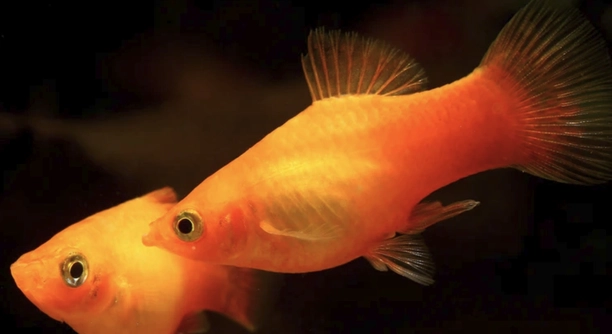
Are your platies chasing each other’s tails in the aquarium? This behavior can catch the attention of many fish keepers. It is common to notice such activity among platies, especially when they interact in their tank environment.
Platies chase each other’s tails mainly due to social behavior related to mating, establishing dominance, or territorial disputes. This tail-chasing is a natural interaction that helps them communicate and maintain social order within their group.
Understanding why platies exhibit this behavior can help you maintain a peaceful tank and promote healthy interactions among your fish. The following information will clarify what drives this activity and how to manage it effectively.
Reasons Behind Tail Chasing in Platies
Tail chasing in platies often relates to natural instincts and social dynamics. Male platies frequently chase tails as part of their mating behavior, attempting to court females. This chasing helps males show their interest and compete with others. Another reason is establishing dominance. When several males live together, tail chasing becomes a way to show who is higher in the tank’s social order. It also happens when fish feel crowded or stressed. Overcrowding or insufficient hiding spots can increase chasing and chasing-related aggression. Sometimes, younger platies chase older ones while testing boundaries. This behavior, although sometimes intense, rarely causes serious harm if the tank environment supports healthy space and shelter. Monitoring your tank’s population and providing plants or decorations for hiding spots can reduce this chasing.
Tail chasing is mostly a natural behavior tied to mating and dominance among platies.
Managing tank conditions and observing interactions can help keep this behavior from becoming harmful or stressful for your fish.
How Tank Conditions Affect Behavior
Tank size and layout significantly impact platies’ tail chasing behavior.
A small or overcrowded tank forces fish into close contact, increasing chasing and aggression. Without enough room to swim freely or hide, platies may feel stressed and act more aggressively toward each other. Clean water and proper filtration also matter. Poor water quality can cause stress, which may worsen chasing. Temperature and lighting affect behavior too. Consistent, appropriate temperatures help keep platies calm. Providing plants, decorations, or caves offers hiding spots that reduce chasing by giving fish places to escape. If tail chasing leads to injuries, separating aggressive individuals or adding more females to reduce competition is useful. Regular maintenance and thoughtful tank design create a healthier environment where chasing becomes less frequent and less intense.
Controlling the tank environment is key to reducing tail chasing and promoting harmony among your platies.
Signs Tail Chasing Is Becoming a Problem
Tail chasing can be normal but sometimes turns into aggression. Watch for signs like torn fins, constant chasing without rest, or one fish hiding frequently. These indicate stress or bullying, which needs attention to protect the health of your platies.
If tail chasing causes injuries, you might see frayed fins or red marks. Fish that are bullied may isolate themselves or hide more than usual. Increased chasing that disrupts feeding or causes lethargy is also a warning sign. Ignoring these signs can lead to severe stress, infections, or even death.
Taking early action by adjusting tank conditions or separating aggressive fish helps prevent serious harm. It’s important to balance natural behavior with fish well-being to keep your tank peaceful and healthy.
Managing Aggression Among Platies
Aggression among platies often results from male competition, especially in small tanks. Adding more females reduces this tension by spreading male attention. Rearranging tank decorations can break sight lines and decrease chasing triggers.
Providing hiding places, such as plants or caves, gives fish safe spots to retreat, lowering stress and aggressive encounters. Regular water changes and maintaining good water quality help keep fish calm. If aggression persists, isolating the most aggressive fish temporarily can restore peace. Consider monitoring the sex ratio carefully and avoid overcrowding, as both can increase aggressive behavior. Proper management keeps your platies healthier and reduces tail chasing that causes harm.
When to Separate Platies
Separating platies becomes necessary if chasing leads to injury or constant stress. Persistent aggression that disrupts feeding or causes hiding means a fish needs space to recover.
Using a breeder box or another tank can protect weaker or injured fish while maintaining social balance.
Impact of Stress on Platies
Stress from excessive tail chasing weakens platies’ immune systems. It makes them more vulnerable to diseases like fin rot or infections. Stressed fish also eat less and may lose color or activity.
Reducing stress by managing aggression and providing a calm environment improves their overall health and longevity.
Preventing Tail Chasing in New Tanks
Introducing platies slowly and avoiding overcrowding reduces early aggression. Setting up plenty of hiding spots from the start helps fish establish territories peacefully.
Monitoring Behavior Regularly
Watching your platies daily helps catch early signs of stress or aggression before problems worsen.
Why do my platies chase each other’s tails so often?
Platies chase each other’s tails mainly as a form of social interaction. This chasing is often related to mating behavior where males pursue females, or it can be a way for males to establish dominance among themselves. It’s a natural part of their behavior but can become excessive if the tank is crowded or lacks hiding places.
Is tail chasing harmful to my platies?
Tail chasing itself isn’t always harmful. It becomes a problem only when it leads to constant harassment or physical injuries like torn fins. If chasing causes stress or damage, it weakens the fish’s immune system and can lead to infections. Monitoring your fish regularly helps catch these issues early.
How can I reduce tail chasing in my platy tank?
Reducing overcrowding is the most effective way. Platies need enough space to swim and hide. Adding live plants or decorations creates shelter, which helps break line of sight and reduces aggressive chasing. Also, maintaining good water quality and stable temperature keeps fish calm. Adjusting the male-to-female ratio by adding more females can lower male competition.
When should I separate aggressive platies?
Separate fish if chasing causes visible injuries or constant stress. Signs like frayed fins, redness, or a fish hiding excessively show that aggression is harming your platies. Using a breeder box or another tank allows injured or bullied fish to recover safely. Temporary separation can restore peace in the main tank.
Can tail chasing be a sign of illness?
Tail chasing is usually a social behavior, not an illness. However, if it is paired with lethargy, loss of appetite, or visible wounds, it may indicate stress or infection. Stress from aggression weakens their immune system, so it’s important to treat both the behavior and any health issues promptly.
Does tank size affect tail chasing?
Yes, smaller tanks increase tail chasing because platies have less room to escape or establish territories. Overcrowding causes stress and aggressive behavior. A larger tank with plenty of hiding spots reduces chasing and allows fish to coexist peacefully.
What is the ideal male-to-female ratio to reduce chasing?
A common recommendation is to keep at least twice as many females as males. This ratio decreases male competition for mates and lowers aggressive chasing. An imbalance with too many males often leads to constant tail chasing and stress for all fish.
How often should I monitor my platies for aggressive behavior?
Daily observation is best. Watching your platies closely helps catch early signs of stress or injury. Early detection allows you to adjust tank conditions or separate aggressive individuals before problems escalate.
Can tail chasing be mistaken for other behaviors?
Sometimes, yes. Tail chasing can look like playful swimming or mating rituals. However, if chasing is constant, aggressive, and leads to injury, it is more serious. Understanding your platies’ normal behavior helps identify when chasing becomes a problem.
Are there any quick fixes for tail chasing?
There are no instant solutions. Improving tank conditions, adjusting the sex ratio, adding hiding places, and maintaining water quality gradually reduce chasing. Temporary separation of aggressive fish can also help, but consistent care and observation are necessary to keep your platies healthy and calm.
Tail chasing among platies is a common behavior that reflects their natural social interactions. It can be related to mating, dominance, or simply communication within the group. While this behavior is usually normal, it is important to recognize when it becomes excessive or harmful. Understanding the reasons behind tail chasing helps in managing your aquarium more effectively and ensuring a healthier environment for your fish. By paying attention to their behavior, you can tell when chasing is just a part of normal activity or when it signals stress or aggression that needs to be addressed.
Maintaining a proper tank setup plays a key role in reducing unwanted tail chasing. Factors like tank size, population density, and hiding places significantly affect how your platies interact. Overcrowding and limited shelter often lead to increased chasing and aggression. Providing plenty of space and adding plants or decorations creates areas for fish to escape or rest. This reduces tension and helps maintain a peaceful atmosphere. Additionally, balancing the number of males and females in the tank can lower competition and reduce chasing behaviors. Keeping water clean and stable also contributes to calmer fish, making stress-related chasing less likely.
Regular observation and care are essential for the long-term health of your platies. Watching for signs of injury or stress allows you to intervene early if chasing becomes a problem. Sometimes separating aggressive fish temporarily is necessary to restore balance. Managing aggression through tank adjustments and attentive care ensures your platies can live comfortably together. Tail chasing is natural but should not come at the cost of your fish’s well-being. With the right environment and monitoring, you can enjoy a lively but peaceful aquarium where your platies thrive.

Hello,
If you enjoy the content that we create, please consider saying a "Thank You!" by leaving a tip.
Every little bit helps us continue crafting quality advice that supports the health, happiness, and well-being of pets around the world, for pets of all shapes, sizes, and species.
We really appreciate the kindness and support that you show us!