
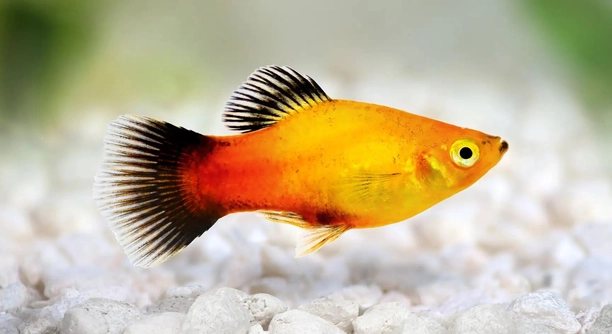
Are your platies swimming around but steering clear of the new plants you’ve just added to their tank setup?
Platies often avoid new plants due to unfamiliar scents, changes in environment, or the presence of chemical residues. These factors can create stress or discomfort, leading them to keep their distance until they feel secure again.
Discover what causes this behavior and how to create a more welcoming, stress-free space for your platies and their new greenery.
Common Reasons Platies Avoid New Plants
Platies are sensitive to changes in their environment, and introducing new plants can create discomfort. These changes may include unfamiliar smells, textures, or chemical residues from fertilizers or pesticides. Even if the plants are aquarium-safe, your platies might take time to adjust. In some cases, plants are placed in locations that disrupt swimming routes or block light, creating an uninviting space. Your platies may also sense shifts in water parameters caused by the plants themselves, such as a change in pH or oxygen levels. If the new plants come with snails or other hitchhikers, your fish could feel stressed by the added presence. Observing their behavior over a few days can help determine if they simply need time or if a specific change is required.
Give them time to get used to the changes. Most platies adapt within a few days once they feel safe.
Make sure to rinse all new plants thoroughly with dechlorinated water before placing them into the tank. Remove dead leaves, trim long roots, and inspect for pests. This step reduces stress on your fish and improves water quality. It also prevents chemical exposure from reaching your tank. Placement matters too—avoid overcrowding or blocking swimming paths. Position plants toward the back or sides of the tank, keeping the center open. This creates a sense of space and allows light to flow naturally through the tank. Keep an eye on water parameters after introducing the plants. Use a reliable test kit to monitor for any changes. Minor adjustments in lighting and filtration may also help your platies feel more comfortable. Once they associate the plants with safety, they are more likely to explore them freely.
Creating a Comfortable Environment
Stress is a major reason platies avoid exploring new areas in their tank.
A calm, stable environment helps your platies feel secure and confident enough to explore. Avoid rearranging decor too often, and maintain a consistent feeding schedule. Regular tank maintenance is also key—clean the substrate, check the filter, and perform partial water changes weekly. Keep the water temperature between 72°F and 78°F, and avoid sudden fluctuations. Adding floating plants or low-light greenery can soften lighting and make your fish feel more protected. Sometimes, it also helps to dim the tank light for a few hours after introducing something new. If your platies continue to hide or avoid plants, check for signs of illness or bullying from other fish. A peaceful tank community is just as important as a clean one. Try not to introduce too many changes at once, and let your fish adjust gradually. When platies feel safe, they will start using every corner of their environment.
How Water Conditions Affect Behavior
Water quality affects how platies react to their environment. Even small changes in pH, temperature, or ammonia levels can lead to stress. This discomfort often shows through hiding, erratic swimming, or avoiding new objects like plants.
When water conditions shift, platies often become cautious. New plants can slightly change tank chemistry—especially if they release tannins, consume oxygen at night, or carry fertilizer traces. These shifts might not harm the plants, but your fish will notice. Test the water regularly, especially after adding plants. Watch for pH swings or increased waste buildup, which could make your fish uneasy. A stable tank with balanced water parameters supports natural behavior and helps your platies feel safe. Stable pH, ammonia, nitrate, and oxygen levels are especially important. Use a filter rated for your tank size, and avoid overfeeding, which increases waste. Minor adjustments go a long way in restoring normal behavior.
Platies are sensitive to chlorine and other water additives. Even when using dechlorinated water, trace chemicals from fertilizers, plastic pots, or handling can remain on new plants. These can affect water clarity and comfort. Always soak and rinse new plants thoroughly before planting them. Quarantining plants for a few days in a separate container with conditioned water is another good step. This limits the chance of introducing anything that may irritate your fish. A separate container also helps plants adjust before being moved into the main tank. If you see your platies reacting strongly right after adding new plants, a water change may help. It removes lingering chemicals and balances the environment again. Once water conditions feel consistent, your platies are more likely to relax and explore normally.
Adjusting Tank Layout for Better Exploration
Sometimes, tank layout makes a big difference. If your plants block light, limit swimming paths, or crowd the space, your platies may stay away from them. Clear sightlines and open areas help them feel safer.
Start by placing tall or wide plants toward the back and corners of the tank. This leaves the middle open for swimming while adding structure along the edges. Grouping plants instead of scattering them gives your platies defined areas to explore and hide. Avoid placing new plants directly in their usual swimming routes or feeding zones, as this can feel disruptive. Create a few low, shaded areas to make them feel more secure. Keep decorations minimal and ensure your filter flow isn’t too strong. A gentle flow helps plants sway naturally and avoids creating high-pressure areas. Over time, your platies will adjust to these features and interact more freely with their environment.
Signs Your Platies Are Adjusting
If your platies start swimming closer to the new plants, that’s a good sign they’re feeling more comfortable. Some may swim past cautiously at first, then gradually spend more time nearby.
You might also see them picking at algae or resting near the base of the plants. These are normal behaviors.
When to Reposition or Remove Plants
If your platies continue avoiding the plants after a week, it may be worth repositioning them. Try moving them to less central areas or placing them in clusters rather than spreading them out. Keep watch for signs of plant decay—yellowing or melting leaves can affect water quality and create an uninviting space. If a plant seems to be causing stress despite rinsing and adjusting, removing it may help. Some species, especially those grown emersed before sale, may not transition well underwater. Choose soft-leaved, fish-safe plants next time, like Java fern or Anubias. Your platies may respond better to gentle textures and gradual changes.
Choosing Plants Platies Prefer
Soft, broad-leaved plants like Java fern, Anubias, and water sprite are more likely to attract platies. These give them shelter without overwhelming their space.
FAQ
Why do my platies seem scared after I add new plants?
Platies are sensitive to environmental changes, even small ones. New plants can carry unfamiliar smells or shift how the tank looks and feels. This can make them feel unsafe. It’s not unusual for platies to react by hiding or avoiding certain areas. They may need a few days to adjust. During this time, avoid rearranging other tank items or making further changes. Keep their feeding routine consistent and limit loud activity around the tank. In most cases, once they realize the plants pose no threat, they begin to behave normally again.
Should I quarantine new plants before adding them?
Yes, quarantining new plants is a helpful step. It prevents harmful pests, snails, or chemical residues from entering your main tank. Place the plants in a clean container filled with conditioned water for a few days. Rinse them well and remove any decaying leaves. Some people also use a mild bleach solution (1 part bleach to 19 parts water) for 1–2 minutes, followed by a rinse in dechlorinated water. This can help remove bacteria or surface treatments. Taking this extra step protects your fish and helps keep your water stable.
Do certain plants stress platies more than others?
Yes, some plants can be more overwhelming to platies. Large-leaved or tall plants that create too much cover may make the space feel crowded. Similarly, plants with rough textures or sharp leaves can be uninviting. Floating plants that block out too much light may also create stress. Platies tend to feel more comfortable with soft-leaved, low-maintenance plants like Java fern, Anubias, water sprite, or hornwort. These don’t drastically alter the environment and are easier for platies to get used to. Choosing gentle plants helps your fish feel at ease.
Can new plants affect water quality?
New plants can affect water quality, especially if they’re decaying, treated with fertilizers, or grown in poor conditions. Rotting leaves release ammonia, which can harm fish. Some plants leach tannins that lower the pH. Even packaging residue or transport stress can affect plant health. Always rinse and inspect new plants carefully. If you notice changes in water clarity or smell, do a partial water change and check your parameters. Healthy plants can improve water quality long-term, but the first few days may bring small changes your fish will notice.
How long does it take for platies to adjust to new plants?
Most platies begin adjusting within three to five days, though some take longer depending on their temperament and environment. If your tank is stable, quiet, and clean, the process is smoother. Limit tank disruptions during this period. Watch their behavior—they may begin swimming near the plants cautiously, then eventually rest around them or nibble at algae. If they continue to avoid the area after a full week, try adjusting the plant’s placement or light exposure.
Is it better to add all plants at once or gradually?
Adding plants gradually is usually less stressful for platies. Sudden, large changes to the tank can be overwhelming. Introducing one or two plants at a time helps your fish adjust slowly. This also gives you a chance to monitor how each plant affects water quality. If you’re planning a full aquascape change, consider doing it in stages. Start with background plants, then add mid- and foreground pieces. Allow time between changes for your fish to get used to each layout. Gradual changes tend to lead to better long-term behavior.
Can fish food or lighting make them avoid plants?
Yes, feeding spots and lighting can influence where platies swim. If you feed them in one area, and new plants are placed there, they might avoid that space temporarily. Strong lighting can also create harsh shadows or glare, especially on broad leaves, which may cause discomfort. If the light is too bright or too direct, consider using floating plants or adjusting the angle of the lamp. Try moving the feeding spot to a clear area, away from dense planting. A calm, consistent setup will encourage more natural swimming.
Do platies ever use plants for breeding?
Yes, live plants offer excellent cover for platy fry. Dense plants like hornwort, water wisteria, and guppy grass provide hiding spots that protect baby fish from being eaten. Adult platies may also use plant cover for resting or feeling secure, especially during breeding. If you notice a female hiding more than usual, it may be a sign she’s preparing to give birth. Having a variety of soft plants in the tank helps both adults and fry feel safe and improves the overall health of the environment.
Final Thoughts
Platies are peaceful, active fish that enjoy stable surroundings. When new plants are introduced, it’s common for them to act shy or avoid unfamiliar areas. This behavior often comes from minor stress or discomfort due to changes in their space. Even though the plants may look harmless, your fish are very aware of any shift in light, layout, or water quality. Their behavior is often a sign that something in the tank feels different to them. Watching how they respond gives you useful clues about what they like and what makes them uneasy.
Understanding these small reactions can help you create a better environment for them. Clean, soft-leaved plants placed with care are often welcomed over time. It’s helpful to rinse new plants well and check that your tank conditions stay balanced. If your platies still seem unsure, consider moving the plants to a less central area or replacing them with a different type. Giving your fish time to adjust is just as important as any equipment or setup. Patience, routine, and slow changes can help your platies feel safe and more confident in their space.
There is no one-size-fits-all answer when it comes to tank behavior, and not all platies will react the same way. Some adjust in days, while others may need more time. Staying consistent with care, feeding, and layout helps them feel at ease. If you watch them closely, you’ll notice small changes—like swimming closer to the plants or using them as resting spots. These signs show they’re becoming more comfortable. Keeping your setup calm and stable, with only small adjustments at a time, allows your platies to explore and feel secure in their surroundings.

Hello,
If you enjoy the content that we create, please consider saying a "Thank You!" by leaving a tip.
Every little bit helps us continue crafting quality advice that supports the health, happiness, and well-being of pets around the world, for pets of all shapes, sizes, and species.
We really appreciate the kindness and support that you show us!