
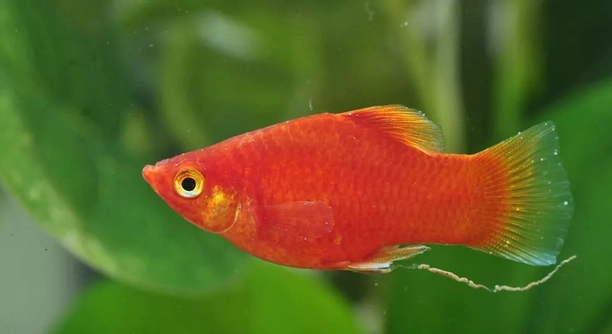
Platies are popular freshwater fish often seen swimming in pairs. Their social behavior is a common topic for aquarium enthusiasts. Many notice this pairing and wonder about the reasons behind it. Understanding their habits can help create a better tank environment.
Platies naturally form pairs or small groups as a social behavior linked to safety and interaction. Swimming in pairs reduces stress, provides companionship, and enhances their sense of security in their environment. This behavior is typical for maintaining social bonds.
Recognizing why platies swim in pairs offers insight into their needs and well-being. This knowledge helps fish owners support healthier, happier aquatic communities.
Why Do Platies Prefer Pairs?
Platies are naturally social fish that feel more secure when they swim with companions. In the wild, they tend to stay in small groups for protection from predators. This instinct carries over into home aquariums. When platies are kept alone, they may become stressed or shy, which can affect their health. Pairing helps them feel less vulnerable and more confident in their surroundings. It also encourages natural behaviors like exploring and feeding together. Watching platies interact in pairs can be calming and interesting because it shows their natural instincts in action. If you notice your platies pairing off, it’s a sign they are comfortable and adapting well to their tank environment. Providing enough space and hiding spots further supports their social nature and reduces aggression.
Platies prefer pairs as a basic survival strategy that helps reduce stress and promote normal behavior.
Creating an environment that supports their social needs means keeping enough companions together and ensuring clean, stable water conditions. Proper tank size is important because overcrowding can lead to stress and fighting. It’s best to maintain a ratio of more females to males to minimize aggression. Regular observation helps you notice changes in behavior that could indicate discomfort. Pairing is just one aspect of their complex social life, but it plays a big role in keeping platies active and healthy. Paying attention to these details can improve their overall quality of life and your enjoyment as their caretaker.
How to Encourage Healthy Pairing in Your Tank
Maintaining stable water conditions is essential for encouraging platies to swim comfortably in pairs. Clean water and proper temperature help reduce stress and promote natural social behavior.
Keeping a balanced group with more females than males helps reduce competition. Male platies can become aggressive if outnumbering females, which disrupts peaceful pairing. Providing plants and hiding spots allows platies to retreat when needed, supporting a calm environment. Feeding them a varied diet also keeps them healthy and active, which encourages normal interactions. Avoid sudden changes in lighting or water parameters, as these can cause stress and break up social groups. Consistency is key to maintaining their natural pairing behavior.
Regular monitoring ensures that pairs stay healthy and get along well. If aggression occurs, separating overly dominant fish can help. Observing their behavior closely allows you to adjust the tank setup as needed. Healthy pairs contribute to a balanced aquarium where fish thrive and display natural behaviors. This care leads to a more enjoyable and peaceful aquarium experience.
Recognizing Pairing Behavior in Platies
Platies often swim side by side or mirror each other’s movements. This pairing is a sign of comfort and social bonding. They may also rest near one another or engage in gentle chasing, which is part of their interaction.
These behaviors show that platies are aware of their companions and prefer to stay close. Swimming in pairs reduces anxiety and increases their sense of safety. When kept in groups, platies develop a social hierarchy that helps maintain balance. Pairing is a natural way for them to feel connected and secure within the tank environment. If a platy is isolated, it may hide more and show less activity.
Observing these signs allows you to understand how your fish communicate and interact. It also helps identify if any fish are excluded or stressed. Encouraging pairing behavior supports healthy social interaction and overall well-being in your aquarium.
The Role of Tank Setup in Social Behavior
The tank environment plays a crucial role in promoting pairing behavior among platies. Providing enough space allows them to swim freely and form natural groups without feeling crowded. A tank that is too small can cause stress and aggression, disrupting social bonds.
Adding live plants, rocks, and hiding spots encourages exploration and gives fish places to retreat when needed. This creates a balanced environment where platies feel safe and comfortable to interact. Proper filtration and regular water changes keep the water quality high, preventing stress that can affect social behavior. Lighting that mimics natural daylight helps maintain their normal activity levels.
Adjusting tank setup based on your platies’ behavior supports their social needs. This balance encourages them to form pairs naturally and thrive in your care.
Common Misunderstandings About Platy Pairing
Some believe platies always swim in pairs because they are lonely or stressed. However, this behavior is natural and not necessarily a sign of a problem. It reflects their social instincts rather than discomfort.
Pairing does not mean they dislike other tank mates. Platies often interact with the entire group but show stronger bonds in pairs.
How Gender Affects Pairing
Male and female platies form different social bonds. Males may display more chasing and showing off, while females tend to swim more peacefully in pairs or small groups. Understanding these differences helps manage tank dynamics.
Signs of Stress in Platies
Stress can cause platies to isolate or show unusual behavior. Watch for hiding, loss of appetite, or rapid breathing. These signs mean changes might be needed in the tank.
Adjusting Your Care Routine
Small changes in feeding, cleaning, or lighting can improve your platies’ comfort and encourage natural pairing.
FAQ
Why do my platies always swim in pairs?
Platies naturally form pairs or small groups as a way to feel safe and comfortable. Swimming together helps reduce stress and gives them a sense of security. This social behavior is normal and shows they are relaxed in their environment. When platies are paired, they tend to be more active and healthy.
Is it bad if platies don’t swim in pairs?
Not necessarily. While platies prefer social interaction, some fish may be more independent or shy. If a platy is alone but still eating and swimming actively, it might just have a different personality. However, if a fish isolates itself and shows signs of stress, changes in the tank setup or adding more companions could help.
How many platies should I keep together?
It’s best to keep platies in groups of at least three to five. This allows natural social behaviors to develop without overcrowding. Keeping more females than males helps reduce aggression and stress. A good ratio is two or three females per male. This balance promotes peaceful pairing and group harmony.
Can platies live alone?
Platies can survive alone but will be less active and may become stressed without companions. They thrive best when they have company from their own species. Keeping them in pairs or groups encourages natural behaviors and improves their overall well-being.
Do platies always pair with the same fish?
Platies often form stable pairs or small groups, but these can change over time. Fish may switch partners depending on mood, tank conditions, or social hierarchy. Watching these interactions can give clues about their comfort and tank dynamics.
What causes aggression among platies?
Aggression usually arises when there are too many males or limited space. Male platies can become territorial, especially during breeding. Providing enough room, hiding spots, and a higher number of females helps reduce fighting. Removing overly aggressive fish is sometimes necessary to maintain peace.
How can I encourage my platies to pair up?
Provide a spacious tank with plenty of hiding places and plants. Maintain good water quality and a stable temperature. Keeping a balanced ratio of females to males also helps. Avoid sudden changes in lighting or water parameters that might stress the fish.
Are platies peaceful with other fish?
Platies are generally peaceful and get along well with other community fish. Their pairing behavior usually doesn’t affect interactions with different species. However, keep tank mates that have similar temperaments and size to avoid stress or bullying.
Do platies need special care when swimming in pairs?
No special care is needed beyond regular maintenance. Watching their behavior and keeping the tank clean ensures they stay healthy. If you notice aggression or stress, adjusting tank conditions or group composition might be necessary.
What signs indicate my platies are happy swimming in pairs?
Happy platies swim actively together, explore the tank, and eat well. They interact without aggressive chasing or hiding. Bright colors and steady breathing are also good signs. If your fish show these behaviors, their pairing is healthy and natural.
Final Thoughts
Platies are naturally social fish that feel safer and more comfortable when they swim in pairs or small groups. This behavior is not unusual or a sign of a problem. It reflects their instinct to stay close to others for protection and companionship. Understanding this can help fish owners create a tank environment that supports these social needs. When platies have companions, they tend to be more active, less stressed, and healthier overall. Watching them interact can also make caring for them more enjoyable.
Creating the right conditions in the aquarium is important to encourage healthy pairing behavior. Providing enough space, clean water, and hiding places helps platies feel secure and reduces stress. Keeping a good balance between males and females also supports peaceful relationships. Male platies can become aggressive if there are too many males or if space is limited. By maintaining a proper tank setup and routine care, fish owners can support the natural social habits of their platies. This not only benefits the fish but also makes the aquarium a more pleasant place to observe.
Paying attention to the behavior of platies helps identify when something might be wrong. Signs of stress or illness include hiding, loss of appetite, or erratic swimming. If these appear, it may be necessary to check water quality, adjust tank mates, or modify the environment. Overall, platies swimming in pairs is a normal and healthy sign. Supporting this behavior through proper care and observation promotes a happy and thriving aquarium. Taking these steps ensures your platies can enjoy a balanced, comfortable life in their home.

Hello,
If you enjoy the content that we create, please consider saying a "Thank You!" by leaving a tip.
Every little bit helps us continue crafting quality advice that supports the health, happiness, and well-being of pets around the world, for pets of all shapes, sizes, and species.
We really appreciate the kindness and support that you show us!