
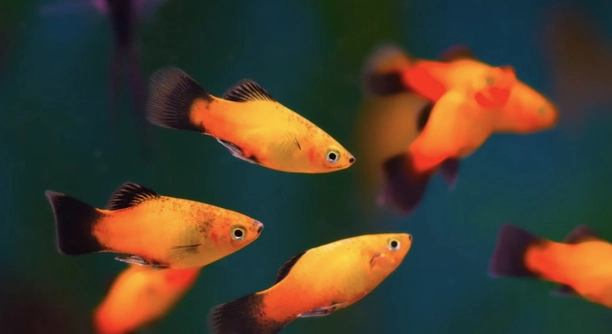
Are your platies often found swimming right up against the glass of their tank? Many fish owners notice this behavior and wonder what it means. It’s a common sight that can seem puzzling at first glance.
Platies facing the glass is usually a sign of curiosity, reflection, or interaction with their environment. This behavior can also indicate stress or boredom if the tank lacks stimulation. Understanding these causes helps maintain a healthy and comfortable habitat for your fish.
This article will explain the reasons behind this behavior and offer practical tips to keep your platies happy and engaged in their home.
Why Do Platies Face the Glass?
Platies often swim near the glass because they are naturally curious creatures. The reflective surface can catch their attention, making them think there is another fish nearby. Sometimes, they are responding to movement or light outside the tank, which stimulates their interest. It’s also possible they are simply exploring their environment or seeking interaction. However, if the tank is small or lacks decorations, your platies might face the glass more often out of boredom. This behavior can be a way for them to stay engaged when there isn’t much else to do. It’s important to observe if this behavior is constant or occasional, as constant glass-facing can hint at stress or discomfort. Adding plants, hiding spots, or rearranging decorations can reduce this behavior by giving your fish more things to explore and focus on inside the tank.
Platies facing the glass is a natural mix of curiosity and environmental response, not always a sign of distress.
If your platies seem stuck staring at the glass, consider their environment. Is the tank spacious enough? Do they have hiding places and plants? Fish need stimulation to feel comfortable. When their habitat is dull, they may stare at their reflection or outside movement for entertainment. Making the tank lively helps reduce this behavior and keeps them active. Watching your fish can reveal if they are healthy and happy or if changes are needed to improve their well-being.
How to Improve Your Platies’ Tank Environment
Providing a well-balanced environment is key to preventing glass-facing behavior. A larger tank gives platies room to swim freely and explore, reducing boredom. Adding live plants or artificial decorations creates hiding spots, which make fish feel secure. When fish feel safe, they are less likely to fixate on their reflection or outside distractions. Regularly changing the tank layout can also keep your platies interested. Lighting plays a role, too—too bright or constantly changing lights might stress them. A consistent light schedule mimics natural conditions and helps keep fish calm. Feeding routines matter as well; overfeeding or irregular feeding times can impact their behavior. Small adjustments like these improve their overall mood and reduce the need to stare at the glass.
Monitoring water quality is equally important. Poor water conditions cause stress and strange behaviors. Regular water changes and testing ensure your platies have a healthy environment. When all these factors are balanced, your platies will spend more time exploring their tank and less time facing the glass.
Signs of Stress in Platies
Platies that constantly face the glass might be showing signs of stress. Stress can make them act restless, hide less, or lose appetite. It’s important to notice these changes early to prevent health problems.
Stress in platies often comes from poor water quality, overcrowding, or sudden changes in their environment. When stressed, fish may swim erratically or press against the tank walls. Bright lights or loud noises can also cause anxiety. If your platies look pale or have clamped fins, it’s a clear sign they are uncomfortable. Observing behavior closely helps identify stress before it affects their health seriously.
Keeping stress low means maintaining clean water, a suitable number of tank mates, and a stable environment. Gentle handling and avoiding sudden changes reduce anxiety. When platies feel safe, their natural behavior returns, and they explore more instead of fixating on the glass.
Interaction and Reflection
Platies sometimes face the glass because they see their reflection and mistake it for another fish. This can lead to a display of social behavior or territorial actions. Reflections can confuse or stimulate them depending on their mood.
This behavior is normal but can become a problem if it causes excessive aggression or stress. In small tanks, reflections are stronger and happen more often. Using a background on the outside of the tank or repositioning it away from direct light can reduce reflections. Adding real or fake plants helps break up the reflective surface, making the glass less interesting. Providing plenty of companions can satisfy their social needs, lowering the desire to interact with reflections. Monitoring their behavior ensures that the reflection doesn’t lead to harmful stress or injury.
Boredom and Tank Setup
Platies can face the glass out of boredom when their tank lacks stimulation. A bare tank with little decoration offers few places to explore, making the glass more interesting by comparison.
Adding plants, rocks, and hiding spots can reduce this behavior. These elements keep platies active and curious, giving them a more engaging environment.
Feeding Time Behavior
Platies often swim to the glass during feeding time, associating it with food. They recognize your presence and expect to be fed when near the tank.
This behavior is a natural response to routine. Feeding your fish consistently at the same time helps build trust and reduces stress related to hunger.
Light and Reflection Effects
Bright or direct light on the tank glass can increase reflection, causing platies to face it more often. Adjusting lighting to reduce glare minimizes this behavior.
Using diffused lighting or repositioning the tank away from windows helps prevent reflections that confuse or attract your fish unnecessarily.
Why do my platies always face the glass?
Platies often face the glass because they see their own reflection or movement outside the tank. This can be a sign of curiosity or boredom. Sometimes, they mistake their reflection for other fish and try to interact. It can also be a response to changes in lighting or activity around the tank.
Is it harmful if my platies stare at the glass?
Generally, facing the glass is not harmful unless it becomes obsessive. If your platies are constantly pressed against the glass and show signs of stress like clamped fins, loss of appetite, or erratic swimming, it could indicate discomfort. Monitoring water quality and tank conditions is important to prevent stress-related health problems.
How can I reduce my platies’ glass-facing behavior?
Improving the tank environment helps a lot. Adding plants, hiding spots, and decorations gives your platies more to explore and focus on. Adjust lighting to minimize reflections, and ensure the tank is not overcrowded. Regular water changes and feeding routines also keep fish happy and active.
Can reflections cause aggression in platies?
Yes, reflections can sometimes trigger territorial behavior if platies mistake their reflection for a rival. This can cause stress or aggressive actions like flaring fins or chasing the glass. Reducing reflections with backgrounds or repositioning the tank helps avoid this issue.
Do platies face the glass because they want attention?
Platies can recognize people approaching the tank and may swim to the glass expecting food or interaction. This behavior shows they associate your presence with feeding time or activity, not necessarily a need for attention like pets on land.
Could tank size affect how often platies face the glass?
A small tank limits swimming space and stimulation, which can increase glass-facing behavior due to boredom or stress. Providing a larger tank with enough room and enrichment items helps reduce this tendency and encourages natural swimming patterns.
Does water quality impact this behavior?
Poor water quality causes stress, making fish more restless or prone to unusual behaviors like glass-facing. Keeping ammonia, nitrite, and nitrate levels low, along with regular water changes, promotes a healthy environment and reduces stress signals.
Is it normal for platies to stare at their reflection?
Yes, it is normal for platies to be curious about their reflection. They may swim close to investigate or interact. However, if it becomes excessive, it might signal boredom or stress, which can be addressed by improving their environment.
How often should I clean the tank to keep platies comfortable?
Regular tank maintenance is essential. Partial water changes of 20-30% every one to two weeks help keep water clean and healthy. Cleaning the glass, filters, and substrate also prevents buildup of harmful substances that stress fish.
Can lighting changes influence platies’ behavior?
Sudden or harsh lighting changes can startle platies and increase their tendency to face the glass. Maintaining a consistent light schedule with moderate brightness mimics natural conditions, reducing stress and unnatural behaviors. Using a timer can help keep lighting steady.
What role does feeding play in this behavior?
Platies quickly learn to associate the sight of a person near the tank with food. They may swim to the glass when it’s feeding time, expecting to be fed. Feeding them at regular intervals helps build this routine and keeps them engaged.
Are tank decorations really necessary for platies?
Yes, decorations like plants, rocks, and caves provide hiding spots and exploration opportunities. These reduce boredom and stress by simulating a natural environment, which lowers the chance your platies will fixate on the glass out of boredom or anxiety.
Should I worry if my platies sometimes press against the glass for long periods?
Occasional glass-facing is usually harmless, but if it happens for long periods daily, it could indicate stress or discomfort. Check water parameters, tank mates, and environmental factors. Making adjustments usually improves their behavior quickly.
Can tank mates affect this behavior?
Yes, the presence or absence of compatible tank mates influences platies’ behavior. Social fish like platies feel safer and more active with companions. Loneliness or aggression from other fish can lead to stress and increase glass-facing.
Is there a way to tell if my platies are stressed from glass-facing?
Look for other signs like loss of appetite, faded colors, clamped fins, or lethargy. These indicate stress beyond simple curiosity. Addressing tank conditions and environment helps reduce these signs and improve their overall health.
When platies face the glass, it can seem strange at first, but this behavior is usually normal. Fish are naturally curious and often react to their reflections or movement outside the tank. Sometimes, they simply want to explore or check out what is happening around them. This behavior does not always mean something is wrong. However, if your platies are doing this all the time and showing other signs like hiding less, swimming nervously, or not eating well, it is important to look at their environment. Checking water quality, tank size, and decorations can help improve their comfort and reduce stress.
Creating a healthy and interesting environment for your platies is key to keeping them happy and active. Adding plants, hiding places, and decorations gives your fish things to explore and reduces boredom. A well-set-up tank also lowers stress, which is a common reason fish face the glass too much. Lighting should be soft and steady to avoid reflections that confuse or bother your fish. Feeding them regularly and in small amounts helps build trust and keeps their routine stable. When these factors are balanced, platies show more natural behavior and less glass-facing.
Keeping an eye on your fish’s behavior and tank conditions is important to spot problems early. Stress can affect their health and cause strange actions, so good care makes a big difference. Remember, platies are active, social fish that need stimulation to thrive. Small changes to their environment can make a big impact on their well-being. If you notice your fish frequently facing the glass, try adjusting their tank setup, feeding schedule, or lighting. With attention and care, your platies will be more comfortable, and their glass-facing behavior will often decrease naturally.

Hello,
If you enjoy the content that we create, please consider saying a "Thank You!" by leaving a tip.
Every little bit helps us continue crafting quality advice that supports the health, happiness, and well-being of pets around the world, for pets of all shapes, sizes, and species.
We really appreciate the kindness and support that you show us!