
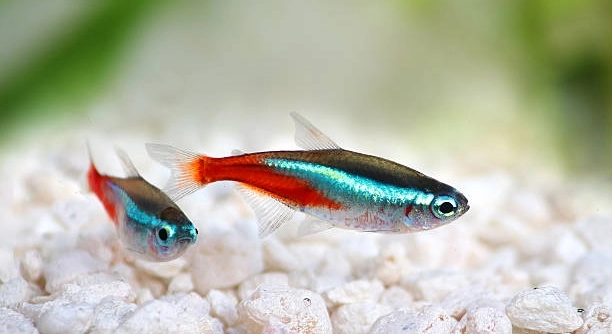
Neon Tetras are vibrant and popular fish in the aquarium world. Their bright colors and peaceful nature make them a favorite among fish enthusiasts. However, if you notice your Neon Tetra’s gills turning red, it can be concerning.
Red gills in Neon Tetras can be caused by a variety of factors such as poor water quality, disease, or stress. These issues can affect the gill health of the fish, leading to a change in color and overall health problems.
Understanding the potential causes of red gills can help in preventing further complications and ensuring a healthy environment for your Neon Tetra. By identifying the problem early, you can take the necessary steps to help them recover.
Poor Water Quality
One of the most common reasons for red gills in Neon Tetras is poor water quality. Fish are sensitive to changes in their environment, and water that’s high in toxins like ammonia or nitrites can cause significant stress. This stress can lead to inflammation in the gills, resulting in redness. Additionally, improper pH levels or high nitrate levels can contribute to these issues. It’s important to regularly test the water to ensure it meets the proper standards for your fish.
Even if your Neon Tetra appears healthy in other ways, poor water quality can gradually damage their gills. If the water is not properly maintained, it will affect their respiratory system, causing them to show visible signs of stress like red gills. Proper filtration and water changes are essential in preventing this problem.
Regular water testing and consistent maintenance are vital to ensuring the health of your fish. Keeping ammonia and nitrite levels low and monitoring the pH will help your Neon Tetras thrive and avoid gill problems.
Fish Diseases
Fish diseases can also contribute to red gills in Neon Tetras. Conditions like gill rot, a bacterial infection, or parasites can lead to gill inflammation and redness. These diseases often occur when fish are stressed or when the tank conditions are not ideal. If left untreated, these issues can worsen quickly and lead to more serious health concerns for your fish.
If you notice your Neon Tetra’s gills becoming red or inflamed, it’s important to assess whether they are showing other signs of illness, like lethargy or abnormal swimming behavior. Early detection of disease allows for faster treatment, increasing the chances of recovery. Consult an aquarium expert or veterinarian if you suspect a disease, as the right treatment plan can prevent further damage to the gills.
Fish diseases may seem overwhelming, but with proper care and attention, you can usually prevent and treat them before they cause lasting harm. Ensure your Neon Tetra’s tank remains clean and stress-free to reduce the risk of infection.
High Temperature
High temperatures in the tank can cause Neon Tetras significant stress, which might lead to red gills. When the water gets too warm, fish breathe faster, and their gills work harder to absorb oxygen. This added strain can cause inflammation and redness.
If you notice your aquarium water temperature consistently exceeding 78°F (25°C), it might be time to adjust your heater or cooling system. Warm water holds less oxygen, making it harder for your fish to breathe. Lowering the temperature can reduce stress and restore healthy gill function.
Ensure your tank stays within the ideal temperature range for Neon Tetras, usually between 70°F and 78°F. Consistent monitoring with a thermometer will help maintain proper conditions, reducing the risk of red gills. Investing in a reliable heater and cooling system can prevent temperature fluctuations that may harm your fish.
Overcrowding
Overcrowding is another reason your Neon Tetra’s gills might turn red. When too many fish share the same space, the water quality can degrade quickly, and there isn’t enough oxygen for everyone. This can cause fish to overexert themselves, affecting their gills.
If you notice your Neon Tetra’s gills turning red and your tank feels a bit cramped, it’s a sign that overcrowding might be an issue. Reducing the number of fish in the tank could ease the pressure on the water and improve oxygen circulation. Additionally, consider upgrading the filtration system to help manage waste more effectively.
While Neon Tetras are small, they still need enough space to thrive. A good rule of thumb is to have at least 1 inch of fish per gallon of water. Proper tank size and filtration will ensure your fish are comfortable and healthy.
Stress
Stress can cause significant physical changes in your Neon Tetra, including red gills. When fish are stressed, they experience a surge in adrenaline, which can cause blood vessels in the gills to dilate, leading to redness. Stress factors include sudden changes in water conditions, tank mates, or handling.
If your Neon Tetra seems unusually stressed, it’s important to pinpoint the cause. It could be anything from loud noises around the tank to territorial disputes with other fish. Reducing these stressors is key to helping your fish recover. Adding hiding spots and ensuring a peaceful environment can ease tension.
Creating a stress-free environment is essential for the health of your fish. Stable water conditions and a calm tank setup are vital for keeping your Neon Tetras comfortable. Adding plants or decorations to help them feel secure can go a long way in reducing stress.
Poor Diet
A poor diet can also contribute to red gills in your Neon Tetra. If they’re not getting the right nutrients, their immune system may weaken, making them more susceptible to gill infections or other health issues. A lack of vitamins and minerals can also impact gill function.
It’s essential to feed your Neon Tetra a balanced diet that includes high-quality flakes, pellets, and occasional live or frozen foods. Look for foods rich in vitamin C, as this helps support their immune system and overall health. A varied diet can prevent nutrient deficiencies, which contribute to health problems.
Maintaining a proper feeding schedule and providing a variety of food options ensures your fish are receiving the proper nutrition. This will help keep their gills healthy and prevent issues like inflammation or infection caused by a poor diet.
FAQ
What are the signs that my Neon Tetra’s gills are unhealthy?
Unhealthy gills in Neon Tetras can show as redness, swelling, or excessive mucus. Infected or damaged gills may cause the fish to breathe rapidly or erratically. You might also notice changes in swimming behavior or reduced activity. If the gills are red and the fish seems lethargic or struggles to swim, it’s a sign of stress or infection.
How can I prevent my Neon Tetra’s gills from turning red?
Maintaining optimal water conditions is the key to preventing red gills. Ensure that ammonia and nitrite levels are at zero, and nitrate levels are kept low. Regular water changes, proper filtration, and maintaining a stable temperature between 70°F and 78°F (21°C – 26°C) will help keep your fish healthy. Additionally, avoid overcrowding and reduce stress by providing hiding spots and peaceful tank mates.
What should I do if my Neon Tetra’s gills are red?
If your Neon Tetra’s gills are red, first check the water quality. Test for ammonia, nitrites, nitrates, and pH levels. Perform a water change if needed, and adjust any parameters that are out of range. If the water quality is fine, observe the fish closely for signs of disease, like lesions or lethargy. If the fish appears sick, consider isolating it and treating it with an appropriate medication.
Can red gills be caused by poor water conditions?
Yes, poor water conditions are one of the main causes of red gills. High levels of toxins like ammonia, nitrites, or nitrates can irritate the gills, leading to redness and inflammation. Regular water testing and maintenance will help prevent this issue. Keeping the tank clean and performing frequent water changes are essential for ensuring your fish thrive.
How often should I test the water for my Neon Tetra?
You should test your water at least once a week. Regular testing helps catch any problems early, ensuring your Neon Tetra’s environment stays stable. Testing for ammonia, nitrites, nitrates, and pH is crucial to avoid sudden changes that could stress the fish or lead to health issues like red gills. In cases of high stocking levels or disease outbreaks, you may need to test more often.
What temperature should the water be for my Neon Tetra?
The ideal water temperature for Neon Tetras is between 70°F and 78°F (21°C – 26°C). Temperatures higher than this range can cause stress, leading to rapid gill movement and redness. If the water temperature exceeds 80°F (27°C), your fish may become oxygen-starved, putting extra strain on the gills. A stable temperature is essential to their health.
Can stress cause red gills in Neon Tetras?
Yes, stress can cause red gills in Neon Tetras. When a fish is stressed, its body releases hormones that can cause blood vessels to dilate, making the gills appear red. Stress may come from factors like sudden changes in water conditions, loud noises, aggressive tank mates, or overcrowding. Reducing stress in the aquarium can help prevent gill issues and improve overall health.
What diseases can cause red gills in Neon Tetras?
Diseases like gill rot, bacterial infections, or parasitic infestations can cause red gills in Neon Tetras. These conditions often result from poor water quality, stress, or overcrowding. Bacterial infections, in particular, can cause the gills to become inflamed, discolored, and covered in excess mucus. Treatment with appropriate antibiotics or antiparasitic medications can help, but catching the disease early is crucial for the fish’s recovery.
How can I treat red gills in my Neon Tetra?
Treatment depends on the underlying cause of the red gills. If the issue is poor water quality, start by performing a water change and testing the water parameters. For diseases, consider isolating the affected fish and using a broad-spectrum antibiotic or antifungal treatment. In cases of stress or overcrowding, reducing the number of fish and providing hiding spots can help. Always monitor your fish closely and consult an aquarium professional if necessary.
What is the best way to manage tank mates for Neon Tetras?
To keep your Neon Tetras stress-free, choose peaceful, non-aggressive tank mates. Avoid large, aggressive species that may nip at their fins or chase them around. Fish like guppies, other small tetras, and peaceful bottom dwellers are good companions. Providing hiding spots with plants or decorations can also help reduce stress and make your fish feel secure.
Can poor diet lead to red gills in Neon Tetras?
A poor diet can weaken your Neon Tetra’s immune system, making it more susceptible to infections and other health problems that can cause red gills. Feed them a variety of high-quality foods like flakes, pellets, and occasional live or frozen foods to ensure they get the proper nutrients. Vitamin deficiencies, particularly a lack of vitamin C, can impact gill health and overall well-being.
How do I know if my Neon Tetra is stressed?
Signs of stress in Neon Tetras include rapid gill movement, loss of color, hiding, and erratic swimming. They may also stop eating or become overly aggressive. If your fish displays these symptoms, it’s essential to assess tank conditions and make necessary adjustments. Reducing stressors can help improve your fish’s health and prevent issues like red gills.
Final Thoughts
If you notice your Neon Tetra’s gills turning red, it’s important to act quickly. Red gills are often a sign of stress, poor water quality, or an underlying health issue. In many cases, it’s caused by something simple like the water parameters being out of balance or overcrowding in the tank. But it can also indicate more serious problems, such as disease or infection. Keeping an eye on your fish and their environment can help you spot issues early, which is key to providing them with a long and healthy life.
Maintaining good water quality is the foundation of any healthy aquarium. Regularly test your water for ammonia, nitrites, and nitrates to ensure that they are at safe levels. Keeping the temperature stable and avoiding overfeeding or overcrowding will also prevent stress. Stress is one of the biggest contributors to gill problems in Neon Tetras, so make sure they have enough space, proper tank mates, and hiding places to reduce any tension. A stable, calm environment is essential to your fish’s well-being.
If the red gills persist or worsen despite improving the water quality and environment, it’s worth checking for signs of disease. Bacterial infections, gill rot, and parasites can all lead to gill inflammation. If you suspect a health issue, isolating the affected fish and treating it with the right medication may be necessary. Be sure to address any underlying problems to prevent the issue from spreading to other fish in the tank. Monitoring your fish regularly will help you keep track of their health and prevent future issues with red gills.

Hello,
If you enjoy the content that we create, please consider saying a "Thank You!" by leaving a tip.
Every little bit helps us continue crafting quality advice that supports the health, happiness, and well-being of pets around the world, for pets of all shapes, sizes, and species.
We really appreciate the kindness and support that you show us!