
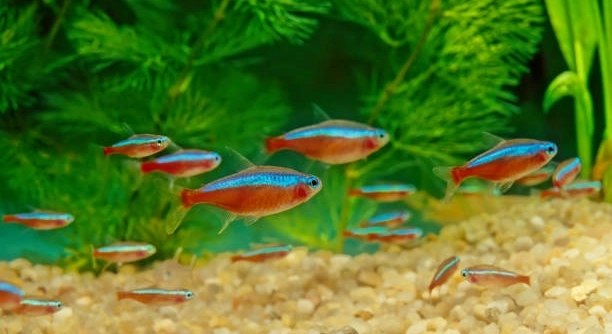
Neon Tetras are popular freshwater fish, known for their vibrant colors and peaceful nature. However, if they start swimming erratically, it can be concerning. Understanding the potential causes of this behavior can help you take action.
Erratic swimming in Neon Tetras is often caused by factors such as water quality issues, stress, illness, or inadequate tank conditions. It is crucial to assess your aquarium setup and observe your fish for other signs of distress.
Understanding these causes and making necessary adjustments can help you ensure your Neon Tetras thrive in their environment.
Water Quality and its Impact
Water quality plays a critical role in the health of Neon Tetras. Poor water conditions can lead to erratic swimming behavior, as fish become stressed. Issues like improper pH, ammonia, nitrite, and nitrate levels are common problems. Neon Tetras require clean, well-filtered water to remain healthy. A sudden change in water conditions can also disrupt their swimming patterns, causing them to dart around the tank.
Ensure your tank is regularly tested for ammonia, nitrate, and pH levels. This will help prevent changes that may affect your fish. A water change of 25% every week can also help maintain optimal conditions. Inconsistent water parameters are often the first sign that your fish are experiencing distress. By keeping these levels stable, you can reduce the chance of erratic behavior and ensure a healthier tank environment.
You should invest in a reliable filtration system and monitor the water regularly. Proper water care is essential for preventing erratic swimming and promoting a healthy, stable environment for your Neon Tetras.
Stress and Its Effects
Stress is another common reason for erratic swimming. This can result from overcrowding, aggressive tank mates, or a sudden change in the environment. Neon Tetras are sensitive fish, and stress can cause them to swim aimlessly or dart around the tank.
To reduce stress, ensure your tank has enough space for all the fish. Overcrowding can limit their swimming space and increase aggression. If you notice stress signs, such as hiding or rapid swimming, it’s essential to assess the tank environment and remove any stressors. Changing tank mates to less aggressive species can help reduce tensions.
Neon Tetras feel safest when they have plenty of hiding places and plants to swim through. This helps them feel secure and reduces overall stress. Remember to avoid sudden changes to their environment, as this can also cause them distress.
Illness and Disease
Illness can cause Neon Tetras to swim erratically. A common symptom of disease in fish is sudden, unusual movements. Conditions like ich or swim bladder disease are frequent culprits. If your fish are not eating or showing other signs of illness, it’s time to check for diseases.
To identify illness, closely observe your fish for visible signs such as white spots, lesions, or bloating. Poor swimming could indicate a swim bladder issue or an internal infection. Quarantine the affected fish to prevent the spread of disease. Treat the illness with appropriate medications as soon as possible to avoid further complications.
If you suspect illness, act quickly. Isolate sick fish and adjust the tank conditions to help them recover. Maintaining a clean and healthy tank environment can also help prevent disease. Pay attention to unusual behavior, as it is often the first warning sign that something is wrong.
Temperature Fluctuations
Neon Tetras are sensitive to temperature changes. When the water temperature fluctuates, they may display erratic swimming. These fish thrive in a stable environment, with temperatures between 72°F and 78°F. Any sudden shifts can cause stress and unbalanced behavior.
To maintain a stable temperature, invest in a reliable heater and thermometer. Ensure the tank’s temperature stays within the recommended range. Avoid placing the tank near windows or vents, where temperature changes can occur rapidly. Neon Tetras prefer consistent conditions, and large temperature swings can harm their health.
Using a heater with a thermostat can help regulate the temperature more effectively. Monitoring the water temperature regularly is also crucial. If erratic swimming occurs during a temperature change, check the heater for malfunctions or incorrect settings.
Inadequate Tank Size
Neon Tetras require ample space to swim comfortably. A small tank can restrict their movements and lead to stress, which results in erratic swimming. Tanks that are too small can cause them to feel trapped, leading to abnormal behavior.
If your tank is too small, your fish may not be able to swim freely, leading to frustration and erratic movement. Ensure the tank size matches the number of fish in it. A minimum of 10 gallons is recommended for a small group of Neon Tetras to ensure they have space to swim and feel secure.
Aggressive Tank Mates
Aggression from tank mates can also cause erratic swimming. While Neon Tetras are peaceful, more aggressive species may intimidate them, forcing them to move frantically. This constant threat can cause stress and erratic behavior, disrupting their natural movement patterns.
If you notice your Neon Tetras being chased or cornered by other fish, it’s important to remove the aggressors. Ensure all tank mates are compatible with the calm nature of Neon Tetras. Choosing peaceful, non-territorial fish will help reduce stress and allow the Tetras to swim freely.
Overfeeding
Overfeeding can lead to a range of issues, including poor water quality and health problems for your fish. When Neon Tetras are overfed, leftover food decays, polluting the tank and increasing ammonia levels. This can cause stress, which leads to erratic swimming.
To avoid overfeeding, feed your fish small amounts of food that they can consume within a few minutes. It’s important to remove any uneaten food to prevent water contamination. Overfeeding can also lead to obesity in your fish, further affecting their behavior and swimming patterns.
FAQ
Why are my Neon Tetras swimming in circles?
Swimming in circles can be a sign of stress or confusion. It may happen when the fish feel threatened, or the tank conditions are not ideal. Poor water quality, overcrowding, or aggressive tank mates could cause them to swim in this repetitive pattern. You may also notice this behavior if they are disoriented due to changes in temperature or lighting. Ensuring that the water parameters are stable, there is enough space in the tank, and aggressive species are removed can help reduce this behavior.
How can I stop my Neon Tetras from darting around?
Darting around usually indicates anxiety or discomfort. This behavior can be triggered by poor water quality, an overcrowded tank, or being startled by sudden movements around the tank. Reducing stress factors by keeping the tank clean, adjusting the water conditions, and providing hiding spots will help your fish feel secure. Also, be mindful of sudden changes in lighting or noise around the tank, as these can also cause stress and erratic swimming.
Can Neon Tetras swim erratically due to a lack of food?
A lack of food can lead to erratic swimming behavior in Neon Tetras, as they might be searching for food. If the fish are not getting enough nutrition, their behavior may change, and they could appear more frantic or nervous. Ensure you are feeding your Tetras appropriately, providing a balanced diet, and avoiding overfeeding, which can lead to water quality issues. It’s important to feed small amounts that they can consume within a few minutes.
Is it normal for Neon Tetras to swim near the surface?
It’s not uncommon for Neon Tetras to swim near the surface, especially when they are looking for food or oxygen. However, if they are constantly at the surface and gasping for air, it may indicate low oxygen levels in the tank or poor water quality. To address this, ensure that the tank is properly aerated, and the water conditions are optimal. Adding plants or a more efficient filtration system can also help improve oxygen exchange.
Why are my Neon Tetras swimming upside down?
Swimming upside down is a sign of a swim bladder problem, which can result from illness or physical injury. Swim bladder disease affects the buoyancy of fish, causing them to have difficulty maintaining their normal position in the water. If your Tetras are swimming upside down, it could be due to an internal infection, constipation, or a tank with fluctuating temperatures. Quarantining the affected fish and treating them with appropriate medication is recommended.
Can Neon Tetras get stressed by too much light?
Yes, excessive lighting can stress out Neon Tetras. These fish prefer dimmer lighting as it mimics their natural environment. Bright, constant lighting can disrupt their natural rhythms and lead to stress. If you notice erratic swimming or hiding behavior, try reducing the lighting duration or intensity. Installing a timer to provide consistent day-night cycles can help maintain a more comfortable environment for your fish.
Do Neon Tetras need a filter?
Yes, Neon Tetras require a filter to maintain clean water and remove harmful toxins from their tank. Without a proper filtration system, waste and uneaten food can pollute the water, leading to poor water quality. This can stress out the fish and result in erratic swimming. Make sure your filter is appropriate for the size of the tank and is regularly maintained to ensure optimal water conditions.
Can too many tank mates cause Neon Tetras to swim erratically?
Yes, overcrowding can lead to erratic swimming. Neon Tetras need enough space to swim freely, and too many fish in a small tank can create competition for space and oxygen. This can cause stress and lead to abnormal swimming patterns. The general rule is to have 1 inch of fish per gallon of water, and make sure the tank is not overstocked. Providing enough space for each fish will help reduce stress and keep your Tetras swimming naturally.
Why are my Neon Tetras swimming at the bottom of the tank?
Swimming at the bottom of the tank can be a sign of stress, illness, or poor water quality. If your Neon Tetras are staying near the bottom and not swimming around, check the water conditions and make sure the tank is clean. Poor water quality, high ammonia levels, or a malfunctioning filter can lead to this behavior. In some cases, Neon Tetras may also retreat to the bottom if they feel threatened by aggressive tank mates or sudden changes in their environment.
What is the best tank setup for Neon Tetras?
Neon Tetras thrive in a well-planted tank with plenty of hiding spots. A tank with plants, driftwood, and rocks allows them to feel secure and reduces stress. They also prefer a well-filtered tank with soft, slightly acidic water. A minimum of 10 gallons is recommended for a small school of Neon Tetras. A stable temperature between 72°F and 78°F, along with proper water parameters, will ensure they stay healthy and swim comfortably.
Final Thoughts
Neon Tetras are generally peaceful fish and can make a beautiful addition to any aquarium. However, when they start swimming erratically, it often indicates something isn’t quite right. Whether it’s poor water quality, stress from overcrowding, or a health issue, recognizing the signs early can help prevent more serious problems. With proper care and attention to their environment, you can ensure that your Neon Tetras thrive in your aquarium.
Maintaining a stable tank environment is crucial to keeping Neon Tetras healthy. Pay attention to factors like water temperature, pH, and the cleanliness of the tank. Regular water changes and appropriate filtration are key to ensuring that the water remains safe and free from harmful toxins. Also, it’s important to avoid overcrowding, as too many fish can cause stress and lead to erratic swimming. By providing a proper, well-maintained environment, you can reduce the chances of behavior problems and keep your Neon Tetras happy.
Lastly, always monitor your fish for signs of illness or injury. If you notice any changes in behavior, such as erratic swimming, it’s important to act quickly. Isolate sick fish to prevent the spread of potential diseases, and address any environmental issues that may be affecting their health. With the right care, your Neon Tetras can live long, healthy lives, swimming gracefully and happily in your aquarium.

Hello,
If you enjoy the content that we create, please consider saying a "Thank You!" by leaving a tip.
Every little bit helps us continue crafting quality advice that supports the health, happiness, and well-being of pets around the world, for pets of all shapes, sizes, and species.
We really appreciate the kindness and support that you show us!