
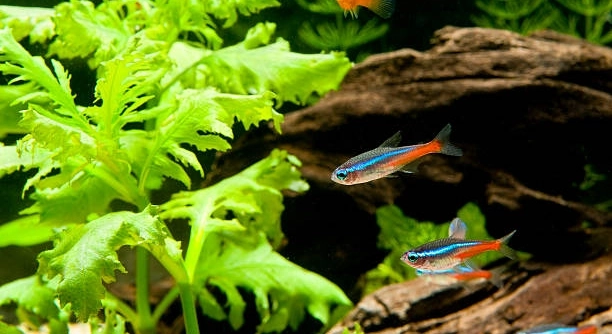
Neon Tetras are vibrant fish, often admired for their beautiful colors. However, many aquarium owners notice that their Neon Tetras appear pale in the mornings. This can be concerning, but understanding why it happens can help.
The most common reason for pale Neon Tetras in the morning is their natural behavior. They tend to lose some color overnight due to lower activity levels and reduced lighting. This fading is temporary and usually restored as they become active during the day.
There are multiple factors that may cause this morning fading in your Neon Tetras. Understanding these causes will help you keep your fish healthy and vibrant all day long.
Lack of Light in the Aquarium
Neon Tetras are naturally active fish and their colors are more vibrant when exposed to proper lighting. If the aquarium light is off during the night, your fish will likely appear pale in the morning. This is because their colors are less visible without light. Neon Tetras rely on light for their body to reflect the colors that make them so stunning.
Fish are sensitive to light changes, and a dark environment can lead to a temporary loss of color. This fading can occur as a natural response to the absence of light, as the fish do not feel the need to display their full vibrant hues.
You can easily fix this issue by making sure the aquarium light comes on in the morning or is set on a timer. Gradual exposure to light will help your Neon Tetras regain their color. Keeping a consistent light schedule can also help prevent stress in the long run.
Water Quality
Poor water quality is another reason your Neon Tetras may appear pale. Fish can change color as a response to their environment, and low-quality water can cause stress. If ammonia, nitrate, or nitrite levels are too high, the fish may show signs of stress, including paleness.
Make sure to test the water quality regularly to ensure that the levels are safe for your fish. Regular water changes are essential to keep the water clean and healthy. Neon Tetras thrive in well-maintained water that is free from contaminants and toxins. Consistent maintenance, such as proper filtration and monitoring water parameters, is key to ensuring your fish stay colorful and healthy.
Temperature Fluctuations
Temperature changes can affect the color of your Neon Tetras. If the water temperature drops too much at night, they may appear pale in the morning. Neon Tetras prefer stable temperatures between 72-78°F (22-26°C). Sudden temperature fluctuations can lead to stress, causing their colors to fade temporarily.
To maintain a stable temperature, use a reliable aquarium heater with a thermometer to monitor changes. Avoid placing the tank in areas where drafts or direct sunlight may cause temperature shifts. Stable conditions will help your Neon Tetras maintain their natural vibrancy. Consistency is key to ensuring their well-being.
If you notice the fish pale in the morning, check the temperature of the water to ensure it’s within the ideal range. A sudden cold night or a warm tank during the day can trigger this change in color. A thermostat-controlled heater can minimize this risk, keeping your Neon Tetras comfortable.
Stress and Anxiety
Stress can cause Neon Tetras to lose their color. If there are too many fish in the tank, overcrowding can make your Tetras feel anxious. This stress shows up as fading colors, often most noticeable in the morning. Neon Tetras thrive in peaceful environments with plenty of swimming space.
Avoid overstocking your tank to reduce the chances of stress. Ensure that your fish have adequate space and a few hiding spots to feel safe. Aggressive tankmates can also contribute to anxiety, so it’s best to keep peaceful species together. A calm, low-stress environment is essential for vibrant fish.
Pay attention to other factors that could stress your Neon Tetras, like loud noises or frequent movement around the tank. Even small changes, such as moving decorations or introducing new fish suddenly, can cause stress. A stable, peaceful environment can help prevent these stress-induced color changes.
Feeding Issues
A poor diet can lead to pale colors in Neon Tetras. If they’re not getting the right nutrients, their vibrancy can diminish. A diet lacking in variety or essential vitamins can leave them looking washed out, especially after long periods of poor nutrition.
Ensure your Neon Tetras are fed a balanced diet that includes high-quality flake foods, pellets, and occasional live or frozen treats. Vitamin-rich foods like daphnia and brine shrimp are great additions. A proper diet supports their immune system and helps them maintain their bright colors, making your tank more visually appealing.
The quality of the food is just as important as the quantity. Be sure to feed your fish a variety of food that’s specifically formulated for small tropical fish. You should also avoid overfeeding, as leftover food can pollute the water and cause other health issues, leading to further stress and color loss.
Illness or Disease
Neon Tetras that are sick often appear pale. This color loss is a common symptom of various diseases, such as internal parasites or bacterial infections. If your Tetras have been losing color over time, it may be an indication that something is wrong health-wise.
It’s essential to monitor their behavior and physical appearance. Signs of illness like lethargy, abnormal swimming, or odd markings on the body should be addressed immediately. Quarantining sick fish and seeking treatment will help prevent the spread of disease and restore the health and color of your Tetras.
Make sure to regularly check for common illnesses in fish, such as ich or fin rot. Proper water quality and a balanced diet can strengthen their immune system, but if they become sick, timely intervention can make all the difference in their recovery.
FAQ
Why do my Neon Tetras lose their color in the morning?
Neon Tetras can appear pale in the morning due to several factors, including low light levels or temperature fluctuations during the night. They are most vibrant when exposed to proper lighting and stable water temperatures. Their color will usually return as the day progresses and they become more active.
Is it normal for Neon Tetras to appear pale overnight?
Yes, it is common for Neon Tetras to look pale overnight, especially if the lighting is turned off. This is a temporary fading of their color, and it’s generally restored once the light comes back on and the fish become more active.
What is the best water temperature for Neon Tetras?
Neon Tetras thrive in water temperatures between 72-78°F (22-26°C). Maintaining this stable temperature range is important for their overall health and vibrancy. Sudden fluctuations can stress the fish, causing them to lose their bright colors.
Can stress cause my Neon Tetras to look pale?
Yes, stress can cause Neon Tetras to lose their color. Stress can result from overcrowding, aggressive tankmates, or environmental changes. It’s important to maintain a peaceful and stable tank with appropriate space and proper tank conditions to keep your Neon Tetras healthy and vibrant.
How often should I feed my Neon Tetras to keep their colors bright?
Feeding your Neon Tetras two to three times a day with a varied diet is best for their health and color. Make sure to provide high-quality fish food that’s rich in essential nutrients, including flakes, pellets, and occasional live or frozen foods. A balanced diet helps them maintain their vivid colors.
Can poor water quality affect the color of my Neon Tetras?
Yes, poor water quality is a major factor in color fading. High levels of ammonia, nitrites, or nitrates can stress the fish, causing them to lose their vibrancy. Regular water changes and proper filtration are essential to maintaining a healthy environment for your Neon Tetras.
What should I do if my Neon Tetras are consistently pale?
If your Neon Tetras stay pale for a long period, it may indicate an underlying issue such as poor water quality, an illness, or inadequate nutrition. Check the water parameters, ensure they’re getting the right food, and observe for any signs of disease. If problems persist, consult a vet or aquarium specialist.
Can Neon Tetras change their color depending on their tankmates?
Yes, the presence of aggressive or dominant fish in the tank can stress your Neon Tetras, causing them to lose their color. Peaceful tankmates that are not too large or territorial are ideal. A calm environment helps Neon Tetras feel safe and allows their colors to shine.
How can I reduce stress in my Neon Tetras?
To reduce stress, make sure your Neon Tetras have plenty of space to swim, avoid overstocking the tank, and provide hiding spots like plants or decorations. Keep the lighting and water conditions stable and make sure there are no aggressive or overly dominant fish in the tank.
Can Neon Tetras change color when they are sick?
Yes, Neon Tetras can lose their color if they are sick or suffering from an infection. Illnesses like internal parasites or bacterial infections can cause the fish to become pale. Monitoring your Tetras for other symptoms of illness, such as lethargy or abnormal swimming, is important for early detection.
Is it normal for Neon Tetras to become pale during the breeding season?
Some changes in color during the breeding season are normal. Female Neon Tetras may appear slightly paler when they are carrying eggs, while males may become more vibrant to attract mates. This change in coloration is typically temporary.
What is the best way to maintain good water quality for my Neon Tetras?
To maintain good water quality, perform regular water changes of about 25% every 1-2 weeks. Use a reliable filter, and monitor ammonia, nitrate, and nitrite levels regularly. Keeping the tank clean and free of waste will help prevent any harmful chemicals from affecting the fish.
Can Neon Tetras tolerate any kind of water changes?
Neon Tetras are sensitive to drastic changes in water parameters. When doing water changes, make sure the new water is at the same temperature and pH as the tank water. Sudden changes in water conditions can cause stress, leading to color loss or even illness.
How can I tell if my Neon Tetras are stressed or sick?
Stressed or sick Neon Tetras may display unusual behavior such as swimming erratically, hiding more than usual, or being less active. They might also have faded or discolored skin, damaged fins, or swollen bodies. Observing their behavior and physical condition closely will help identify the problem.
Can the type of food I give my Neon Tetras affect their color?
Yes, the type of food you provide can impact the vibrancy of your Neon Tetras. A diet rich in natural pigments, such as spirulina or carotenoids, can help enhance their colors. Additionally, a variety of high-quality foods will keep them healthy and their colors bright.
What are the common diseases that affect Neon Tetras?
Common diseases include Ich (white spot disease), fin rot, and velvet disease. These illnesses often cause changes in the fish’s color and behavior. If your Neon Tetras are sick, isolating them in a separate quarantine tank and treating the disease promptly can help save them from further complications.
Final Thoughts
Neon Tetras are beautiful fish that can bring vibrant color to any aquarium. However, it’s normal to notice them appearing pale in the morning or at certain times of the day. In most cases, this fading is temporary and can be linked to factors like changes in lighting, water temperature, or their environment. Understanding these natural behaviors and making simple adjustments can help your fish regain their full color and stay healthy.
Maintaining stable water conditions and providing a proper diet are key to ensuring your Neon Tetras stay colorful and active. Regular water changes and proper filtration help prevent stress and illness, both of which can cause color loss. A balanced diet that includes a variety of high-quality foods will keep them healthy and support their natural brightness. Be sure to avoid overfeeding, as leftover food can harm the water quality and affect the fish’s well-being.
If your Neon Tetras continue to look pale despite maintaining good water conditions and feeding them properly, it may be a sign of stress, illness, or another underlying issue. Observing their behavior and physical condition closely will help you identify potential problems early. With a little care and attention, your Neon Tetras will thrive, showing their beautiful colors and bringing life to your aquarium.

Hello,
If you enjoy the content that we create, please consider saying a "Thank You!" by leaving a tip.
Every little bit helps us continue crafting quality advice that supports the health, happiness, and well-being of pets around the world, for pets of all shapes, sizes, and species.
We really appreciate the kindness and support that you show us!