
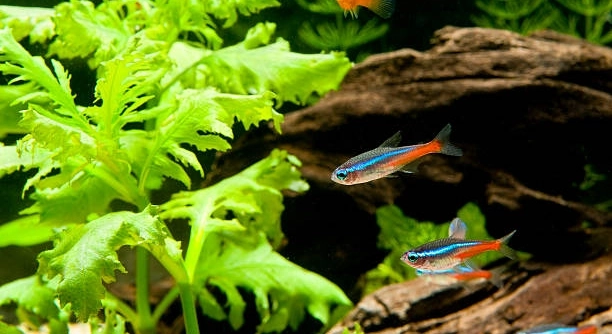
Neon Tetras are small, colorful fish that can be an excellent addition to any aquarium. However, some owners may notice their Tetras are only active at night. This behavior can be puzzling and concerning.
Neon Tetras are naturally more active during dawn and dusk. This means they tend to be more active at night due to their instinctive behavior of seeking shelter and feeding in low light conditions, which makes them feel safer.
Understanding why your Tetras act this way will help you address the issue. Identifying the causes and finding ways to improve their activity patterns will lead to a healthier and happier fish tank.
Why Are Neon Tetras Nocturnal?
Neon Tetras, like many other fish species, are naturally inclined to be more active in low light conditions. This behavior is linked to their evolutionary history. In the wild, these fish would have lived in areas with dense plant cover and lower light levels, which provided them with protection from predators. At night, when it’s darker, they feel safer to swim around and search for food. This instinct remains in your aquarium, even though there are no natural predators present. It’s a survival behavior, not a sign of illness or stress.
Their preference for nighttime activity is completely normal and not something to worry about. If you’re trying to observe them more during the day, you may need to adjust their environment. Creating more hiding spots during the day or providing dimmer lighting could encourage them to be more active while the lights are on.
Making simple changes to their tank setup can help. You can adjust the intensity of the light or provide more plants and decorations that give them a sense of security, encouraging daytime activity.
Tank Setup and Lighting
Lighting plays a significant role in how active your Neon Tetras are during the day. Bright lighting in the tank can cause stress, as the fish might feel exposed. It’s best to replicate their natural environment by using soft, diffused lighting. You can also try turning the lights off during the day for a few hours to encourage nighttime activity if your Tetras prefer it.
If you feel your fish are not as active as you want during the day, consider adjusting your aquarium’s lighting to mimic a more natural light cycle. You may also want to observe if there are any bright areas or reflections in the tank, which can cause discomfort for them. By making small changes, you could see more of their lively behavior throughout the day.
Water Temperature
Neon Tetras thrive in warmer water, typically between 72°F and 80°F (22°C to 27°C). If the water is too cold, they may become sluggish and less active. Cold water can stress them out, making them less likely to swim around during the day. Proper temperature maintenance helps keep them healthy and active.
To ensure your Tetras stay active, it’s essential to monitor the water temperature regularly. A heater may be necessary to maintain the right temperature, especially during colder months. If the water temperature fluctuates too much, it could affect their behavior and overall health. Consistency is key for their well-being.
A stable, warm environment encourages Neon Tetras to feel more secure and active. Avoid placing your aquarium near drafty windows or vents where temperatures can change drastically. Regular water changes also help maintain the right conditions. Keeping the temperature in the ideal range will reduce stress and promote their natural behavior.
Tankmates and Stress
Stress from aggressive or incompatible tankmates can lead to your Neon Tetras becoming more reserved. If larger or more territorial fish share the tank, Tetras may hide more often, especially during the day. This could result in them being more active at night when the tank is quieter.
If your Tetras are constantly hiding, consider re-evaluating the fish species in your tank. Peaceful fish that don’t pose a threat will help your Tetras feel more comfortable. Avoid keeping them with larger, more aggressive fish, as the constant stress can lead to health issues and inactivity. Neon Tetras are small and shy, and tankmates should be selected accordingly.
It’s also important to provide enough hiding spots in the tank for your Tetras. Plants, rocks, and other decorations can give them places to retreat when they feel threatened. This can reduce their overall stress levels and help them feel secure enough to be more active during the day. A calm, peaceful environment encourages healthier and more vibrant fish.
Tank Size and Space
Neon Tetras need plenty of space to swim and explore. If they’re kept in a tank that’s too small, they may feel cramped and stressed, reducing their activity. A tank that’s too crowded can lead to a lack of swimming, which can make them more likely to stay inactive.
A minimum of 10 gallons is recommended for a small group of Neon Tetras. Larger tanks are better, as they allow for more swimming space and hiding spots. A spacious tank can help reduce stress and make your Tetras feel more comfortable, encouraging them to be more active during the day.
By providing adequate space, your Tetras will feel safer, less stressed, and more likely to swim around during daylight hours.
Water Quality
Maintaining clean, high-quality water is essential for the health of your Neon Tetras. Poor water conditions, such as high ammonia or nitrate levels, can stress them out, causing them to be less active. Regular water testing and maintenance are vital to keep your fish happy and healthy.
Make sure to perform regular water changes to ensure that the water remains clean. Using a good filtration system will also help maintain water quality. Poor water conditions not only affect their activity levels but can also lead to illness or long-term health problems for your Tetras. Clean water promotes more vibrant, active fish.
Feeding Routine
A consistent feeding routine is important to keep your Neon Tetras healthy and active. If they’re not eating regularly, they may become lethargic or less engaged in swimming. Offering them a balanced diet that suits their needs can keep them energized and active during the day.
Make sure to feed your Tetras small amounts 2-3 times per day, as overfeeding can lead to water quality issues. A varied diet, including high-quality flakes, pellets, and occasional live food, will ensure they’re getting the nutrients they need. Proper feeding also supports healthy, active behavior.
FAQ
Why are my Neon Tetras not swimming during the day?
Neon Tetras are naturally more active during low light conditions, like dusk or night. If your fish are not swimming during the day, it could be because they’re feeling stressed or exposed in bright lighting. They may feel safer and more comfortable in dimmer or low-light conditions. To encourage daytime activity, consider adjusting the lighting or adding more plants and decorations for hiding spots. Providing a more secure environment may reduce their stress and promote more daytime swimming.
How can I reduce stress in my Neon Tetras?
Stress is a common issue that can affect the behavior of your Neon Tetras. To minimize stress, make sure their tank is set up correctly. This includes providing enough space, maintaining good water quality, and ensuring their tankmates are peaceful. Stress can also come from fluctuating water temperatures or high light levels. To keep them calm, make sure the water temperature is stable and within the range they prefer. Keeping the lighting low or dimmed during the day will also help them feel more at ease.
Do Neon Tetras prefer living in groups?
Yes, Neon Tetras are schooling fish, and they thrive in groups. Keeping them in groups of at least six will help them feel more secure and less stressed. When kept alone or in very small numbers, they can become skittish and may hide more often. A group provides comfort and encourages more natural swimming behavior, reducing the likelihood of them staying inactive during the day.
Can poor water quality cause Neon Tetras to be less active?
Yes, poor water quality is a major factor that can affect your Tetras’ behavior. If the water is polluted or has high levels of ammonia, nitrites, or nitrates, it can stress the fish out and make them less active. It is essential to perform regular water changes and test the water regularly to ensure it is clean and safe for your fish. A good filtration system is also crucial in maintaining water quality. Keeping the water clean will not only make your fish more active but will also prevent illness.
How often should I feed my Neon Tetras?
Neon Tetras should be fed small amounts 2-3 times a day. Overfeeding can cause water quality issues and stress your fish. Their diet should consist of a mix of high-quality flakes, pellets, and occasional live or frozen food. A varied diet helps to ensure they get all the necessary nutrients for health and energy. A regular feeding schedule will also keep your fish active and prevent lethargy caused by underfeeding.
Are my Neon Tetras active enough if they swim at night?
It’s perfectly normal for Neon Tetras to be more active at night. They are naturally more inclined to swim during low-light conditions, which is a behavior linked to their evolutionary history. As long as your Tetras are active and appear healthy during these times, there’s no need for concern. If you want them to be more active during the day, try adjusting the lighting and providing more hiding places or plants to make them feel more secure.
What size tank is best for Neon Tetras?
The ideal tank size for a small group of Neon Tetras is at least 10 gallons. However, bigger tanks are better, especially if you plan on keeping them with other fish. A larger tank provides more space to swim and allows for more hiding spots, which can reduce stress. Neon Tetras are small fish, but they need enough space to feel comfortable. Avoid overcrowding, as this can lead to stress and inactive behavior.
Can Neon Tetras be kept with other species?
Yes, Neon Tetras are peaceful fish and can be kept with many other species. However, they should be kept with other non-aggressive, small fish. Larger or more territorial fish may stress out the Tetras, making them more likely to hide and reduce their activity levels. Ideal tankmates include other peaceful community fish like guppies, Corydoras, and other small Tetras. Always research potential tankmates to ensure compatibility.
How can I tell if my Neon Tetras are healthy?
Healthy Neon Tetras are active and vibrant, with bright colors. They should swim actively during dawn or dusk and interact with their surroundings. If your Tetras are lethargic, have faded colors, or are swimming erratically, it could be a sign of stress or illness. Keep an eye on their behavior, eating habits, and overall appearance to spot any signs of health problems early. Regular water changes and proper care will help keep your Tetras in good health.
Why do my Neon Tetras stay at the bottom of the tank?
Neon Tetras that spend a lot of time at the bottom of the tank might be stressed or sick. They could be hiding from bright lights or more aggressive tankmates. Alternatively, if the water quality is poor, they may be staying at the bottom to avoid the water’s surface, where the conditions are worse. Make sure to check your water parameters and consider lowering the light or adding more plants or decorations. If their behavior doesn’t improve, you may need to check for signs of illness.
Final Thoughts
Neon Tetras are beautiful, peaceful fish that bring color to any aquarium. Their tendency to be more active at night is a natural behavior rooted in their instincts. These fish are naturally low-light dwellers, and they feel safest in dim environments where they can avoid predators. It’s important to remember that this nocturnal activity is completely normal and nothing to be worried about. As long as they are swimming, eating, and looking healthy, there’s no need for concern. If you’re struggling to see them more during the day, making small adjustments to their tank can help encourage more daytime activity.
One of the best ways to help your Neon Tetras feel more comfortable is by mimicking their natural environment. Proper lighting, hiding spots, and a consistent water temperature will go a long way in making them feel secure. A well-planted tank with plenty of plants or decorations for shelter can provide them with a sense of safety. The more they feel protected, the more likely they are to come out of hiding and be active during the day. Along with these adjustments, maintaining good water quality is essential for their overall well-being. Poor water conditions can cause stress and impact their activity levels.
Lastly, it’s important to consider tankmates and the overall environment of the tank. Neon Tetras are peaceful fish that thrive in schools, so keeping them with others of their kind can help them feel more secure. Avoid aggressive or overly large fish that might intimidate them, as this can lead to more hiding and less activity. By ensuring that your Neon Tetras are in a stress-free environment with compatible tankmates and the proper care, you can help them stay healthy, vibrant, and active, both day and night.

Hello,
If you enjoy the content that we create, please consider saying a "Thank You!" by leaving a tip.
Every little bit helps us continue crafting quality advice that supports the health, happiness, and well-being of pets around the world, for pets of all shapes, sizes, and species.
We really appreciate the kindness and support that you show us!