
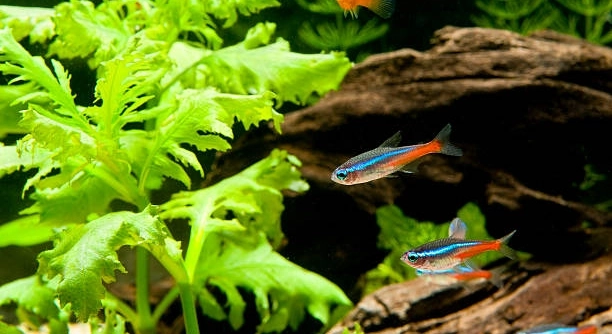
Neon tetras are a popular choice for many aquariums. However, it’s common for them to hide in the same spot. This behavior can be puzzling, especially when you’re trying to keep your tank healthy and thriving.
The primary cause of neon tetras hiding in the same spot is stress. It can be triggered by factors like poor water quality, overcrowding, or even the presence of aggressive tank mates. Ensuring a stable and calm environment will help reduce this behavior.
Understanding these factors can help improve your neon tetra’s well-being and create a more peaceful aquarium environment for all.
Poor Water Quality
Neon tetras are sensitive to changes in water conditions. When water quality deteriorates, they may retreat to a hidden spot for safety. Ammonia, nitrites, and nitrates can build up quickly in tanks, especially if the filtration system isn’t working effectively. A sudden spike in these chemicals can cause stress, making neon tetras feel vulnerable. Regular water testing is essential to ensure a safe and comfortable environment.
Water changes should be done regularly, at least 25% every week. Ensure that the water is properly conditioned to remove chlorine and chloramine, which can harm your fish. Proper filtration will also help remove toxins that accumulate.
Temperature fluctuations can also contribute to stress, leading to hiding behavior. Neon tetras thrive in water between 72°F and 78°F (22°C to 25°C). Be sure to monitor the temperature and adjust heaters or coolers as needed. Providing a stable water environment will help your neon tetras feel more secure, reducing their need to hide.
Overcrowding
Fish that are kept in too small a space often exhibit hiding behavior. Neon tetras are schooling fish and need ample space to move around. When they are kept in overcrowded tanks, they may feel overwhelmed and retreat to hidden areas.
Overcrowding can also lead to a build-up of waste and poor water quality, further exacerbating stress. Always ensure your tank has enough space for all the fish you have, and avoid adding too many at once.
Aggressive Tank Mates
Neon tetras are peaceful fish and can become stressed if housed with aggressive tank mates. Aggressive fish may chase or harass the tetras, causing them to retreat to hidden areas for safety. It’s essential to choose compatible species when setting up your tank.
Fish like cichlids, some types of barbs, and large predatory fish can intimidate neon tetras. If you notice consistent hiding, it may be a sign that your neon tetras are trying to avoid aggression. Make sure the other fish in your tank are calm and peaceful. Providing plenty of hiding spots can help, but addressing the root cause of aggression is key.
It’s also important to observe behavior during feeding times. Aggressive fish may dominate the food supply, preventing neon tetras from getting enough to eat. This constant stress can further encourage hiding. Separate feeding areas or using food that sinks can help reduce competition.
Tank Decoration and Layout
Neon tetras feel safer in tanks with plenty of hiding spots and plant cover. If your tank lacks these features, they may seek out the same spot to hide, where they feel secure. A well-planted tank offers a comfortable environment for your fish.
Adding live plants or decorations like caves and driftwood will help your tetras feel protected and less stressed. These hiding spots give them a place to retreat when they feel vulnerable. Be mindful of the layout; too much open space can leave them feeling exposed.
Be sure to avoid overly bright lighting. Neon tetras prefer dimmer conditions and may hide more frequently if exposed to harsh lights. Using natural light or a subdued aquarium light can help mimic their natural habitat. With the right setup, your neon tetras will be more active and less inclined to hide.
Poor Diet
Neon tetras may hide if their diet isn’t suitable. A lack of proper nutrition can lead to weakened immune systems, making them more vulnerable to stress and illness. Feeding them a varied, high-quality diet ensures they stay healthy and active.
Feeding neon tetras a diet high in protein, such as specially formulated fish flakes, frozen foods, or live foods, helps them thrive. Avoid feeding them only one type of food as it can lead to nutrient deficiencies. A well-rounded diet will keep them healthy and less likely to hide.
Stress from Water Changes
Drastic or frequent changes in water conditions can stress neon tetras, causing them to retreat to the same spot. It’s important to perform water changes gradually and not all at once. Consistency helps reduce their stress levels.
Keeping the water temperature and pH levels stable during water changes also plays a significant role. Neon tetras are sensitive to sudden shifts, and this can make them feel threatened, prompting them to hide. A careful, slow approach to water changes can help ease their stress.
FAQ
Why is my neon tetra hiding more than usual?
If your neon tetra is hiding more than usual, it could be a sign of stress. Common causes include poor water quality, aggressive tank mates, or overcrowding. Other factors, like improper lighting or sudden changes in water conditions, can also cause them to seek out a hiding spot. It’s important to monitor their environment closely and make necessary adjustments to help them feel secure.
Can neon tetras be kept with other fish?
Yes, neon tetras are peaceful and can be kept with other non-aggressive fish. They do well in community tanks, especially with species like guppies, mollies, or rasboras. However, avoid keeping them with aggressive fish that may intimidate or harass them. Be sure to research the temperament of other fish before adding them to your tank.
What temperature is best for neon tetras?
Neon tetras thrive in water temperatures between 72°F and 78°F (22°C to 25°C). Maintaining a consistent temperature within this range is crucial for their health and well-being. Too high or too low a temperature can stress them out, making them more likely to hide or exhibit unusual behavior.
How often should I feed my neon tetras?
Neon tetras should be fed small amounts two to three times a day. Overfeeding can lead to water quality issues and health problems. A balanced diet with a mix of high-quality flakes, frozen foods, and occasional live foods ensures they get the nutrition they need. Monitor their feeding habits to avoid excess waste.
Do neon tetras need a filter?
Yes, neon tetras require a filter to maintain water quality. They are sensitive to poor water conditions, and a good filtration system helps remove harmful toxins like ammonia and nitrates. Regular maintenance of the filter and performing water changes is essential to keep your tetras healthy.
What size tank is best for neon tetras?
Neon tetras are small fish and can live comfortably in a tank as small as 10 gallons. However, a larger tank provides more space for swimming and helps maintain stable water conditions. A tank of at least 20 gallons is ideal, especially if you plan to keep a group of tetras along with other species.
Why is my neon tetra swimming erratically?
Erratic swimming can be a sign of stress, illness, or injury. Stressors such as poor water quality, aggressive tank mates, or sudden environmental changes can make neon tetras swim in an abnormal manner. Illnesses like parasites or fin rot may also cause them to swim in circles or appear uncoordinated. Check the water conditions and look for signs of disease.
How can I reduce stress in my neon tetra tank?
To reduce stress, maintain stable water conditions, including temperature, pH, and hardness. Provide plenty of plants and hiding spots to create a more secure environment. Avoid overcrowding and ensure your neon tetras are not housed with aggressive fish. Regular water changes and proper filtration are essential for keeping stress levels low.
Can neon tetras live alone?
While neon tetras can technically survive alone, they are schooling fish and do best when kept in groups of at least five or six. A small school helps them feel more secure and encourages natural social behavior. Keeping them in groups also reduces stress and makes them more active.
What are signs that my neon tetra is sick?
Signs of illness in neon tetras include faded colors, clamped fins, abnormal swimming behavior, or refusal to eat. You might also notice lesions, lesions on the skin, or white spots if they have external parasites. If you suspect your neon tetra is sick, it’s essential to isolate it and consult with an aquatic veterinarian.
Final Thoughts
Neon tetras are peaceful and beautiful fish, making them a popular choice for many aquarium owners. However, when they begin hiding in the same spot, it’s often a sign that something in their environment is causing them stress or discomfort. The causes of this behavior can range from poor water quality, overcrowding, or aggressive tank mates, to even the layout of the tank itself. Understanding the reasons behind their hiding is essential to creating a healthier, more comfortable environment for your neon tetras.
It’s crucial to maintain stable water conditions, as neon tetras are sensitive to changes in temperature, pH, and toxin levels in the water. Regular water changes, proper filtration, and keeping an eye on the water parameters will help reduce stress and improve the overall well-being of your fish. Additionally, providing plenty of hiding spots, plants, and a peaceful tank setup will allow your tetras to feel safe and less likely to retreat into hiding. If they’re constantly hiding due to aggression from tank mates, consider re-evaluating their companions and ensuring the tank is not overcrowded.
By making these adjustments, you can help ensure your neon tetras are active, healthy, and comfortable in their environment. Regular observation of their behavior, diet, and surroundings will give you the insight needed to address potential problems early on. With the right care and attention, your neon tetras will thrive and bring beauty to your aquarium for years to come.

Hello,
If you enjoy the content that we create, please consider saying a "Thank You!" by leaving a tip.
Every little bit helps us continue crafting quality advice that supports the health, happiness, and well-being of pets around the world, for pets of all shapes, sizes, and species.
We really appreciate the kindness and support that you show us!