
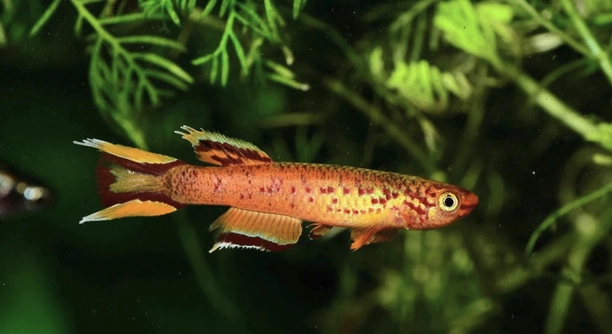
Are your young killifish huddling together more than usual, making you wonder if something might be wrong with their setup?
The most common reason killi fry cluster together is due to environmental stress such as low oxygen levels, poor water quality, or temperature imbalance. These conditions make the fry seek comfort and safety in numbers, a natural survival instinct.
Other factors like lighting, tank mates, or feeding routines may also be influencing their behavior. Understanding each possibility can help you keep your fry healthier and reduce stress in their environment.
Understanding Why Your Killi Fry Cluster
When killi fry start to group together, it often means something in their environment is off. These small fish are sensitive to changes in water quality, oxygen levels, and temperature. If the water isn’t properly filtered or oxygenated, the fry may feel stressed and instinctively huddle for safety. Clustering can also be their way of conserving energy or hiding from perceived threats. Even something like inconsistent lighting or strong currents from a filter can cause discomfort. Checking water parameters regularly is essential. Keep ammonia and nitrite at zero, and ensure the temperature is stable. Slight swings might not bother adult fish, but fry are more delicate. It’s also possible they are reacting to hunger or overfeeding, both of which can lead to water issues. Always provide gentle lighting and soft hiding spaces. These small changes can create a calmer, healthier environment for your killi fry to spread out and thrive.
Most often, it’s stress or poor water conditions that drive fry to group up, rather than natural schooling behavior.
Behavioral signs, like staying near the surface or corners, can give you clues about what they’re experiencing. Fry should be active but not frantic, scattered but not isolated.
Improving Conditions for Better Behavior
Small changes in setup can reduce clustering quickly. Always test your tank’s water regularly and do partial water changes every few days for fry tanks.
Start by checking the temperature with a reliable aquarium thermometer. Killi fry typically need water between 72–78°F. A sudden drop or increase can trigger grouping. Next, assess oxygen levels. If you don’t see surface movement, add an air stone or adjust your filter to gently agitate the surface. Too much flow can also stress fry, so keep it calm. Ammonia and nitrite should be at zero, with nitrate under 20 ppm. Feed in small amounts, two to three times a day, removing any leftovers. Overfeeding clouds the water and increases waste, which can upset your fry. Include live or finely crushed food suitable for their size. Dim lighting and live plants like Java moss can also help fry feel safe, reducing the need to cluster. With these adjustments, you’ll likely see them spread out and swim more freely.
Common Mistakes That Make Fry Cluster
Overfeeding is one of the easiest ways to upset water conditions. Uneaten food breaks down fast, leading to ammonia spikes. Even small amounts left behind can create stress for fry and cause them to group together.
Using a filter with too strong of a flow can also disrupt fry behavior. Killi fry prefer calm water, and a fast current may force them to cluster in corners or areas with less movement. Always use a sponge filter or adjust flow direction to reduce pressure. Another mistake is keeping fry in a tank that’s too small or crowded. Without space to explore, they may stay grouped and anxious. Adding floating plants or moss gives them places to hide, helping reduce this need to huddle. Also, inconsistent light patterns—like lights turning on suddenly—can startle fry. Try using a dimmer setting or a gentle light cycle to avoid triggering stress.
Skipping regular water checks can easily lead to unnoticed issues. Many fry tanks don’t have full filtration systems, so ammonia and nitrites build up fast. You might not see cloudy water, but the fry feel it. A quick test every other day can help catch problems early and avoid behavioral changes like clustering.
Feeding Habits That Affect Their Behavior
Feeding fry too much in one sitting can overwhelm both their bodies and the tank. They eat tiny amounts but often. Large meals leave behind waste, and this affects how they behave, making them less active and more likely to stick together.
Spread out feeding times throughout the day, offering only what they can eat in a few minutes. Two to three feedings per day works best for killi fry. Use high-quality microfoods like infusoria, baby brine shrimp, or finely crushed flakes. Avoid overloading the tank, as leftover particles pollute the water quickly. Feeding near plants can also help, as the cover makes fry feel safer. When fry are full and the environment is clean, they tend to swim more confidently and explore their surroundings. Consistent, light feeding improves both health and behavior, reducing the need for them to cluster together for comfort.
Lighting and Its Role in Fry Behavior
Sudden lighting changes can scare fry and cause them to huddle. Soft, gradual light helps reduce stress. Avoid turning lights on or off abruptly—use a timer or keep room lights on before adjusting tank lights.
Bright lights without cover make fry feel exposed. Floating plants or moss can create gentle shade.
Water Movement and Comfort
Strong currents often force fry into corners or under cover where movement is softer. Using a sponge filter or reducing your filter’s output makes the tank feel safer. Gentle surface movement also helps improve oxygen levels without pushing fry around. If fry are sticking to calm spots, adjust the flow direction to keep it soft. Plants or sponge decorations can help break the current further. A still surface might seem ideal, but it can reduce oxygen. Aim for low but steady flow, especially in fry-only setups. It supports both healthy breathing and relaxed swimming behavior.
Signs Your Adjustments Are Working
Fry will begin to spread out and explore more, showing steady movement instead of staying in one tight group.
FAQ
Why do my killi fry cluster even when water conditions seem fine?
Sometimes, even if water tests look good, other factors like sudden noises, vibrations, or changes in tank surroundings can stress fry. They are very sensitive to external stimuli and may group together for safety. Also, small fluctuations in temperature or light might be enough to make them cluster temporarily. It’s important to observe their environment closely and keep conditions as stable as possible.
Is it normal for killi fry to school together?
Killi fry don’t naturally school like some other fish species. When they cluster, it’s usually a response to stress or feeling unsafe. If fry are spread out and swimming calmly, that shows they are comfortable. Clustering should be seen as a sign to check your tank’s setup and water quality.
How often should I test water parameters for fry tanks?
Testing every two to three days is ideal during the early stages. Fry tanks can change quickly due to their small size and frequent feeding. Ammonia and nitrite levels should always be at zero. Nitrate should stay below 20 ppm. Regular testing helps catch problems early before fry behavior changes.
Can temperature changes cause clustering?
Yes, even small temperature shifts can stress fry. Killi fry prefer a steady temperature around 72–78°F. Sudden drops or rises make them seek shelter together. Using a reliable heater and thermometer helps keep the temperature stable and fry relaxed.
Does feeding affect clustering behavior?
Overfeeding leads to waste buildup, poor water quality, and stress, which cause clustering. Feed small amounts two to three times daily, only what fry can eat in minutes. Use finely crushed flakes or live food like baby brine shrimp. Clean any leftovers quickly to maintain water quality.
Should I use a sponge filter or a regular filter?
A sponge filter is best for fry tanks because it provides gentle filtration and aeration without strong currents. Regular filters can create fast water flow that stresses fry and forces them to cluster in calmer areas. Adjust filter flow to keep it soft and avoid disturbing the fry.
What role does lighting play in fry clustering?
Bright or sudden lighting changes can startle fry, causing them to huddle. Soft, consistent lighting with floating plants or moss creates hiding spots and reduces stress. Avoid turning tank lights on or off abruptly—use timers for a smooth transition.
Can overcrowding cause clustering?
Yes, overcrowded tanks limit space and increase stress, making fry group together for comfort. Ensure there is enough room and hiding places like plants or moss. If overcrowded, consider moving some fry to another tank to reduce stress.
How long does clustering behavior usually last?
Clustering can last a few hours to several days depending on the cause. If water quality and tank conditions improve, fry usually spread out within a day or two. Persistent clustering signals ongoing stress or a problem that needs fixing.
Are there any signs that clustering is due to disease?
If clustering comes with other symptoms like lethargy, clamped fins, or discoloration, disease might be the cause. Infections or parasites stress fry and cause unusual behavior. Regular water changes and proper feeding reduce disease risk. Quarantine new fish and plants before adding them to the tank.
Final Thoughts
Killi fry clustering together is a behavior that usually signals something in their environment needs attention. While it might seem worrying, this grouping is often just a natural response to stress or discomfort. Fry are very delicate and react quickly to changes in water quality, temperature, light, and even tank setup. Understanding why they cluster helps you create a better habitat for them to grow and thrive. Paying attention to water parameters, feeding habits, and tank conditions is the first step toward healthier fry that swim freely and confidently.
Keeping the water clean and stable is one of the most important parts of caring for killi fry. Ammonia, nitrites, and nitrates must be kept within safe levels, and temperature should remain steady. Small tanks can change water chemistry quickly, so frequent testing and partial water changes are necessary. Using a gentle sponge filter and providing hiding places like floating plants or moss helps fry feel safe. Avoiding strong currents and sudden lighting changes will reduce stress, allowing fry to spread out and behave naturally. These steps take some effort but make a big difference in fry health and comfort.
Finally, patience is key when raising killi fry. Their behavior may change as they grow and adapt to their environment. Clustering is often temporary and improves as conditions stabilize. Regular observation, small adjustments, and consistent care will help your fry develop into healthy adults. If you stay attentive to their needs and avoid common mistakes like overfeeding or overcrowding, you’ll create an environment where fry feel secure. This not only reduces clustering but also supports their overall well-being. With time and care, your killi fry will become lively and active fish that enjoy their home.

Hello,
If you enjoy the content that we create, please consider saying a "Thank You!" by leaving a tip.
Every little bit helps us continue crafting quality advice that supports the health, happiness, and well-being of pets around the world, for pets of all shapes, sizes, and species.
We really appreciate the kindness and support that you show us!