
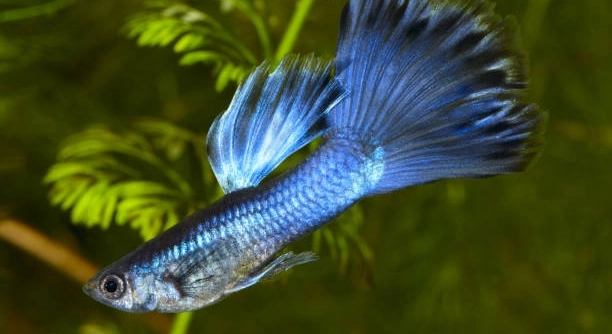
Guppy fish are popular in home aquariums, and when their fins clamp, it can be concerning. Understanding why this happens is crucial for their health and wellbeing. There are several possible causes, each needing attention.
Finned clamping in guppies typically occurs due to stress, poor water quality, or illness. Inadequate tank conditions, infections, or environmental factors like temperature fluctuations can also contribute to this issue. Proper care and observation are key in resolving it.
Learning the causes behind this behavior helps you provide better care for your guppy. Understanding these reasons will guide you in maintaining a healthier environment for your fish and ensuring their overall happiness.
Poor Water Quality
Water quality plays a major role in the health of your guppy. If the water is not clean, guppies can get stressed, leading to their fins clamping. The most common issues are high levels of ammonia, nitrites, or nitrates. Dirty water can irritate their skin and cause them to shut their fins to protect themselves. Regular water changes and proper filtration are essential to prevent this from happening. If you haven’t tested your water recently, it’s a good idea to check the levels of these harmful substances.
In some cases, the pH levels of the water may also be off, which could stress your guppy. Testing kits can help you monitor and maintain the right balance of water conditions. A clean and well-maintained tank can help your guppy feel safe and keep their fins open and relaxed.
To keep your guppy healthy, maintain a consistent water cleaning routine. Test the water frequently to ensure proper filtration. A stable environment will reduce the chances of fins clamping and improve your fish’s overall wellbeing.
Stress
Stress can affect your guppy’s behavior and cause their fins to clamp. If your fish feel threatened or overcrowded, they may close their fins as a sign of anxiety.
Changes in their environment, such as loud noises or moving the tank, can make your guppy uneasy. They are sensitive to sudden shifts and need stability to stay calm. Overcrowding is another common issue that leads to stress, as it restricts movement and creates competition for food and space.
Keeping the tank environment peaceful is essential for your guppy’s health. Reduce any sources of anxiety, like sudden temperature changes or tankmates that might be too aggressive. Ensure there is enough space for your guppy to swim freely, which will help them feel less stressed and more comfortable.
Illness or Infection
Guppies are prone to several types of infections that can cause fins to clamp. Bacterial, fungal, or parasitic infections may cause physical stress, leading your guppy to close its fins. Early signs of illness, such as discoloration, lesions, or abnormal swimming behavior, should be addressed quickly.
Common illnesses, like fin rot or velvet disease, can cause severe distress in your guppy. These infections might also affect their appetite and energy levels. If you notice any signs of infection, it’s important to isolate the sick fish, adjust the water conditions, and seek proper treatment.
Using medication specific to the condition and maintaining a clean tank can help your guppy recover. Always monitor your fish closely after treatment to ensure they are getting better and their fins are slowly returning to their natural position.
Temperature Fluctuations
Guppies prefer stable water temperatures. If the temperature fluctuates too much, it can cause stress and result in their fins clamping. A sudden change, even by just a few degrees, can throw your guppy off balance, affecting their comfort and behavior.
Ensure your tank has a reliable heater if you’re keeping guppies in colder environments. Using a thermometer regularly can help maintain a steady temperature. A temperature between 75°F and 80°F is ideal for guppies. If the water becomes too hot or too cold, your guppy will likely show signs of distress, including clamped fins.
Maintaining a consistent temperature is a simple but crucial way to prevent issues in your guppy’s behavior. Sudden shifts, like adding cold water or placing the tank in a drafty area, can create discomfort and affect their health.
Overcrowding
When there are too many fish in the tank, guppies can feel overwhelmed. This stress can cause their fins to clamp as they try to avoid contact with other fish. Overcrowding also reduces the space they have to swim comfortably.
To prevent overcrowding, make sure your tank has enough space for each fish. A good rule of thumb is one inch of fish per gallon of water. If your tank feels cramped, consider moving some of the fish to a different tank or reducing the overall number.
By providing a spacious environment, your guppy can swim freely and reduce the stress that leads to fin clamping.
Poor Diet
A poor diet can affect your guppy’s health, causing their fins to clamp. When guppies don’t receive the proper nutrients, they can become weak, stressed, and vulnerable to disease. A balanced diet is key to their wellbeing.
Ensure you are feeding your guppy a variety of high-quality fish food that provides the necessary vitamins and minerals. Overfeeding or underfeeding can both be harmful. A good diet helps keep their immune system strong, preventing illness and promoting healthy fin movement.
A proper diet directly impacts their overall health and reduces the chances of clamped fins.
Tank Maintenance
Regular tank maintenance is crucial to keep your guppy happy and healthy. Clean water, proper filtration, and removing debris can help avoid stress.
Make sure to clean the tank regularly, remove any uneaten food, and check the water quality. Regular maintenance keeps harmful bacteria or algae from building up, which can affect your fish’s health. A clean, well-maintained tank encourages your guppy to stay active and prevents conditions that could cause fin clamping.
FAQ
Why are my guppy’s fins clamped?
Guppy fins can clamp for several reasons. The most common causes are poor water quality, stress, illness, and improper water temperature. Stress can arise from overcrowding, aggressive tankmates, or sudden changes in the tank environment. Illnesses, such as bacterial infections or parasites, can also make a guppy clamp its fins. Finally, if the water temperature fluctuates too much or the tank is too cold, it can cause discomfort and stress, leading to fins clamping.
How do I know if my guppy is stressed?
A stressed guppy may exhibit various signs, including clamped fins, erratic swimming, hiding more than usual, and lack of appetite. If your guppy is swimming frantically or staying near the surface or bottom of the tank, it could be stressed. Watching for these signs will help you identify if the stress is causing their fins to clamp.
Can water quality cause fins to clamp?
Yes, poor water quality is a major reason for guppy fins to clamp. High levels of ammonia, nitrites, or nitrates in the tank can irritate a guppy’s skin and make them uncomfortable. Regular water testing and frequent changes are necessary to ensure clean and safe water. A good filtration system can help maintain proper water conditions.
What is the ideal water temperature for guppies?
Guppies prefer water temperatures between 75°F and 80°F. If the temperature is too low or too high, it can cause stress, and their fins may clamp. Use a reliable aquarium heater to maintain a stable temperature and avoid drastic fluctuations. Sudden changes in temperature can shock the fish and make them feel unsafe.
How often should I change the water in my guppy tank?
It’s recommended to change about 25-30% of the water every week. This helps keep the water clean and removes harmful substances like ammonia and nitrates that build up over time. If you have more fish in the tank, you may need to do water changes more frequently. Consistent water changes keep your guppy healthy and comfortable.
Can I treat clamped fins with medication?
If your guppy’s fins are clamped due to illness or infection, medication may be necessary. However, it’s important to first determine the cause. If the clamping is caused by poor water quality, treating the water with water conditioners or performing a water change is recommended. If the cause is an infection, use medication suited for the specific condition.
Is it normal for guppies to clamp their fins temporarily?
Occasionally, guppies might clamp their fins briefly due to a minor environmental change or stress. If your guppy’s fins return to normal after a short period, it’s not usually a cause for concern. However, if the clamping persists for several days or is accompanied by other symptoms, it’s essential to investigate the cause.
Can tankmates cause my guppy’s fins to clamp?
Yes, aggressive tankmates can cause your guppy stress, leading to clamped fins. If a more dominant fish chases or harasses your guppy, it may feel threatened and close its fins. Ensure your tankmates are compatible and that there’s enough space for each fish. If you notice aggression, consider separating the fish or adding hiding spots to help your guppy feel more secure.
Should I isolate my guppy if its fins are clamped?
If your guppy is sick or injured, isolating it in a quarantine tank can help prevent further stress or spread of illness to other fish. However, if the clamping is due to poor water conditions or stress from overcrowding, isolating the fish won’t address the root problem. Focus on improving the environment before making any drastic decisions.
Can I fix clamped fins by adding salt to the tank?
Aquarium salt can help in some cases, particularly if your guppy has a minor injury or skin irritation. However, adding salt is not a universal solution. If the clamped fins are due to poor water quality, stress, or an infection, salt alone may not fix the problem. It’s best to identify and address the underlying cause.
How long will it take for my guppy’s fins to return to normal?
The time it takes for fins to return to normal depends on the cause of the clamping. If the issue is resolved quickly, such as by improving water quality or reducing stress, your guppy may recover within a few days. However, if an infection or illness is involved, recovery may take longer and may require treatment. Always monitor your guppy’s condition to ensure it’s getting better.
Can overfeeding cause clamped fins?
Overfeeding can contribute to poor water quality, as uneaten food can decay and raise ammonia levels. High ammonia levels in the tank can stress your guppy, causing it to clamp its fins. Be sure to feed your guppy only what it can eat in a few minutes to prevent overfeeding and avoid water quality issues.
What should I do if my guppy’s fins don’t unclamp?
If your guppy’s fins remain clamped for several days, it’s important to investigate further. Check the water quality, temperature, and tank conditions. If the water is fine, consider if your guppy may be sick and treat it for possible infections. A persistent issue warrants a closer look at its health and environment.
Final Thoughts
Understanding why your guppy’s fins are clamped is essential to their health and well-being. Clamped fins can be a sign of several issues, including poor water quality, stress, illness, or temperature fluctuations. By paying close attention to your guppy’s environment and behavior, you can address the problem before it becomes more serious. Regular water testing, proper tank maintenance, and ensuring your guppy has the right tankmates can all help prevent fin clamping. Keeping your guppy’s environment stable and stress-free is the first step in resolving this issue.
If your guppy’s fins remain clamped despite addressing environmental factors, it may be time to consider health issues. Infections and illnesses are common causes of clamped fins, so always keep an eye out for other symptoms like lethargy, changes in appearance, or abnormal swimming behavior. In such cases, isolating your fish in a separate tank may help prevent the spread of disease and allow them to heal in a more controlled environment. Treating infections promptly with the right medication can make a big difference in your guppy’s recovery.
Finally, prevention is always better than cure. Ensuring your guppy is in a clean tank with proper water conditions, a stable temperature, and plenty of space to swim can help avoid many of the common causes of fin clamping. By monitoring your guppy’s behavior and making small adjustments to their environment when necessary, you’ll be able to keep them healthy and happy for years to come. Regularly checking on your guppy’s condition and keeping the tank free from stress will help them live a full and active life, free from the discomfort of clamped fins.

Hello,
If you enjoy the content that we create, please consider saying a "Thank You!" by leaving a tip.
Every little bit helps us continue crafting quality advice that supports the health, happiness, and well-being of pets around the world, for pets of all shapes, sizes, and species.
We really appreciate the kindness and support that you show us!