
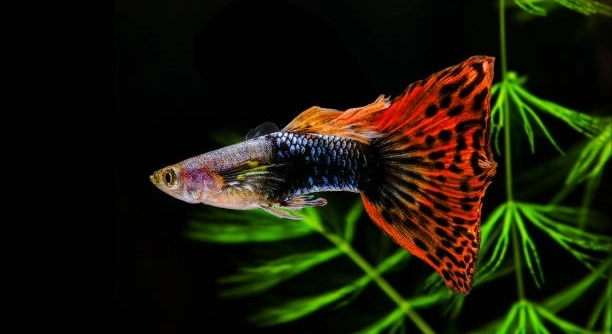
Guppies are known for their lively and graceful movements. However, if they begin swimming with jerky motions, it could indicate a problem that needs attention. Understanding the possible causes behind this behavior can help improve their well-being.
Jerky movements in guppies are often caused by factors such as stress, water quality issues, parasites, or swim bladder problems. These factors can interfere with their normal swimming patterns and may require immediate intervention to ensure the health of the fish.
Knowing the root causes of your guppies’ jerky swimming can help prevent further issues and improve their overall health.
1. Stress in Guppies
Stress is one of the most common reasons for jerky movements in guppies. Stress can be triggered by several factors, including sudden changes in water temperature, overcrowding, or aggressive tank mates. These environmental changes can make guppies feel uneasy, and their movement patterns may become erratic as a result. Additionally, stressful conditions can weaken their immune system, making them more susceptible to diseases.
To reduce stress, it is important to maintain a stable environment. Ensure the tank temperature remains consistent, avoid overcrowding, and provide plenty of hiding spots. Healthy, peaceful tank mates will also help keep stress levels low. By creating a calm environment, your guppies will feel secure, which helps prevent jerky swimming.
If you notice that your guppies are still swimming erratically, despite a stable environment, it may be time to investigate other possible causes. Stress is a major factor, but it is not always the only reason for abnormal behavior.
2. Poor Water Quality
Water quality plays a huge role in your guppies’ health. High levels of ammonia, nitrites, or nitrates can irritate their gills, causing discomfort and jerky swimming. The presence of toxins in the water makes it difficult for guppies to swim normally. Poor filtration, overfeeding, and infrequent water changes can all contribute to poor water quality.
Regularly test the water parameters and perform partial water changes as needed. A good filtration system will help remove toxins and maintain a clean environment for your guppies. This ensures they can swim without strain and stay healthy. Proper care of the water ensures your fish remain happy and active.
By focusing on water quality, you create an ideal environment for your guppies to thrive, reducing the likelihood of abnormal swimming patterns and other health issues.
3. Swim Bladder Disorder
Swim bladder disorder is a common condition that can cause guppies to swim in jerky or uncoordinated movements. The swim bladder is responsible for controlling buoyancy, so any issues with it can make swimming difficult. This disorder can result from poor water quality, overfeeding, or physical injury.
To prevent swim bladder disorder, maintain stable water conditions and avoid overfeeding your guppies. If the issue persists, fasting your guppy for a few days might help reset the digestive system. If the condition continues, you may need to consult a vet to address the problem.
Swim bladder disorder can often be treated by adjusting your guppy’s diet and environment. In some cases, adding aquarium salt to the water or offering them a special diet, such as boiled peas, can help ease the condition. Regular monitoring of their behavior can also catch issues early.
4. Parasites and Infections
Parasites and infections can lead to jerky swimming in guppies. External parasites, like ich, or internal parasites can affect their movement and behavior. Infected guppies may scratch against objects in the tank or swim erratically as they attempt to alleviate discomfort.
If you suspect your guppy has a parasitic infection, it’s important to separate it from healthy fish immediately. Treat the tank with an appropriate medication designed for the specific parasite. Improving water quality and reducing stress can also help speed up the healing process. Regular monitoring will ensure no other fish are affected.
A healthy tank environment is essential in preventing parasitic infections. Regular water changes, maintaining appropriate temperatures, and avoiding overcrowding will make it harder for parasites to thrive. By addressing issues early, you can prevent more serious outbreaks and ensure the health of your guppies.
5. Overfeeding
Overfeeding is a common issue that leads to jerky swimming. When guppies are given more food than they can consume, excess food breaks down and can pollute the water. This creates poor water quality, which can cause them to swim erratically.
To avoid overfeeding, feed your guppies only what they can eat within a few minutes. Remove any uneaten food to prevent it from decaying. A regular feeding schedule helps maintain good water quality, ensuring your guppies remain healthy and swim smoothly.
By controlling the amount of food given, you reduce the risk of water contamination and ensure your fish stay active and vibrant.
6. Tank Mates and Aggression
Aggressive tank mates can contribute to jerky swimming in guppies. If your fish are constantly being chased or harassed, they may react with erratic movements. Guppies are peaceful creatures and can become stressed or fearful if they are placed with more aggressive species.
To prevent this, ensure you pair guppies with peaceful fish that won’t stress them out. Watch for signs of aggression, like nipping or chasing, and separate aggressive tank mates if necessary. A calm tank environment will keep your guppies swimming naturally and comfortably.
A peaceful environment is key to preventing stress and ensuring your guppies remain healthy. If aggression continues despite adjustments, reconsider the compatibility of your tank mates to ensure harmony.
7. Temperature Fluctuations
Guppies are sensitive to sudden temperature changes, which can cause stress and jerky movements. If the water temperature fluctuates too much, it can interfere with their swimming and overall health. It’s essential to maintain a consistent temperature in the tank to avoid causing harm.
Using a reliable aquarium heater can help maintain a stable temperature. Keep an eye on the thermometer to ensure the water stays within the recommended range for guppies. This stability will allow your guppies to swim without the discomfort caused by temperature stress.
FAQ
Why are my guppies swimming upside down?
When guppies swim upside down, it’s often a sign of swim bladder disorder. This condition affects the fish’s ability to control buoyancy. Swim bladder issues can result from overfeeding, poor water quality, or even an injury. If you notice your guppy swimming upside down or struggling to maintain balance, it may help to fast them for a few days. Additionally, maintaining stable water quality and reducing the amount of food given can reduce the chances of swim bladder issues. If the problem persists, consult a veterinarian or fish expert for a proper diagnosis and treatment plan.
How can I tell if my guppies are stressed?
Stressed guppies often show signs of erratic behavior, including jerky swimming or hiding more than usual. Other signs of stress include fading colors, rapid gill movement, and abnormal eating habits. Stress can be triggered by various factors such as overcrowding, poor water quality, or incompatible tank mates. To reduce stress, ensure your tank has enough space, regular water changes, and a balanced environment. Also, watch for signs of aggression between tank mates, as this can lead to increased stress in your guppies.
How do I treat swim bladder disorder in my guppies?
Treating swim bladder disorder typically involves addressing the cause, whether it’s overfeeding, poor water conditions, or physical injury. Start by fasting your guppy for 1-2 days to give their digestive system a break. Offering them a small piece of boiled, deshelled pea can sometimes help. If the problem is related to water quality, perform a water change and check the tank’s temperature. If symptoms persist, you may need to consult an aquatic veterinarian for further treatment or medication.
Why are my guppies swimming in circles?
Guppies may swim in circles due to stress, lack of space, or an issue with the water quality. They could also be suffering from a parasitic infection that affects their nervous system. If your tank is overcrowded or if there are aggressive fish in the tank, this can lead to erratic swimming. First, check the water quality, ensure the tank isn’t overcrowded, and provide hiding spots for your fish. If the issue continues, you may need to quarantine the affected guppy and treat for parasites.
How can I improve the water quality for my guppies?
To improve water quality, make sure you’re performing regular water changes, usually 25-30% every week. Ensure your filtration system is working properly and clean it regularly. Test the water for ammonia, nitrites, and nitrates, and maintain the proper balance. Installing a reliable aquarium heater to regulate the temperature will also help your guppies feel more comfortable. You can also add live plants to help absorb excess nutrients, which can improve the water quality naturally.
Can poor diet cause jerky swimming in guppies?
Yes, a poor diet can lead to jerky swimming in guppies, particularly if they’re overfed or given an improper diet. Overfeeding can cause swim bladder disorder and lead to poor water quality. A lack of essential nutrients can weaken their immune system and make them more susceptible to illnesses that cause erratic swimming. Make sure to feed your guppies small amounts of high-quality food once or twice a day. Remove any uneaten food to avoid water contamination.
Are jerky movements a sign of illness in my guppies?
Yes, jerky movements can sometimes be a sign of illness in guppies. Conditions such as parasitic infections, swim bladder disorder, and poor water quality can all cause abnormal swimming patterns. If your guppy is displaying erratic behavior, it’s important to assess the water quality, check for signs of external parasites, and ensure the fish isn’t stressed. If the condition persists, it’s best to separate the affected fish from others and consult an expert for a proper diagnosis.
Can temperature fluctuations cause jerky swimming in guppies?
Temperature fluctuations are a common cause of jerky swimming in guppies. Guppies are sensitive to changes in water temperature, and sudden shifts can cause stress and affect their ability to swim smoothly. To prevent temperature-related issues, invest in a good aquarium heater and maintain a stable water temperature. Keep the water between 72-82°F (22-28°C), which is ideal for guppies. Avoid placing the tank in areas where it’s exposed to drafts or direct sunlight, which could cause temperature shifts.
What are the best tank mates for my guppies to prevent jerky movements?
Guppies are peaceful and social fish that generally do well with other non-aggressive species. Best tank mates include other peaceful fish like neon tetras, mollies, and Corydoras catfish. Avoid keeping guppies with large or aggressive fish that may chase or bully them. Stress from aggressive tank mates can cause jerky swimming. It’s also important to ensure the tank has plenty of hiding spaces and territories for each fish to feel safe.
Can aquarium salt help with jerky swimming in guppies?
Aquarium salt can help with certain conditions like mild external injuries or stress, which may contribute to jerky swimming. However, it should be used carefully and not as a long-term solution. Salt can help soothe the gills and skin, improving overall health. If your guppy has swim bladder issues or an internal condition, aquarium salt may not be enough, and you should focus on water quality and diet instead. Always follow instructions carefully when using salt to avoid harming the fish.
Final Thoughts
Guppies are active and playful fish, and watching them swim is part of the enjoyment of having them as pets. However, when you notice jerky movements or erratic swimming, it can be concerning. The causes behind these unusual behaviors are often related to environmental factors, diet, or even their health. It’s important to carefully observe your guppies and make adjustments to their living conditions if needed. Maintaining proper water quality, feeding them the right amount, and providing a stress-free environment can prevent many common issues that lead to jerky swimming.
If you notice your guppies swimming in jerky movements, there are several potential causes to consider. Overfeeding, poor water quality, temperature fluctuations, or incompatible tank mates are some of the main reasons. It’s essential to keep your aquarium clean, avoid overcrowding, and make sure the water temperature remains stable. Regular maintenance and testing of the water quality can help keep these factors under control. Also, feeding your guppies in appropriate portions, removing uneaten food, and observing their behavior can help ensure their health and well-being.
Ultimately, ensuring your guppies’ health involves a combination of good care, monitoring, and addressing any problems as they arise. If jerky movements persist despite making environmental changes, it might be time to consult with an aquatic veterinarian. By taking the right steps, you can reduce the chances of health issues and make sure your guppies thrive. With attention and care, you can enjoy seeing your guppies swim happily and healthily in their home aquarium.

Hello,
If you enjoy the content that we create, please consider saying a "Thank You!" by leaving a tip.
Every little bit helps us continue crafting quality advice that supports the health, happiness, and well-being of pets around the world, for pets of all shapes, sizes, and species.
We really appreciate the kindness and support that you show us!