
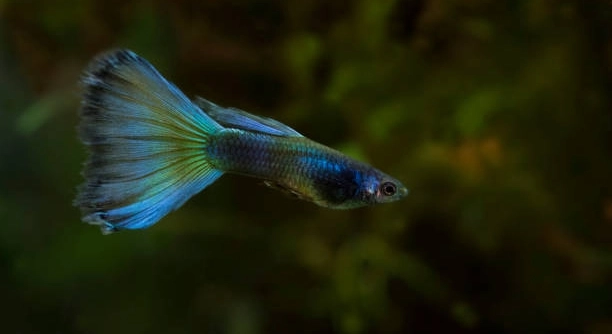
Is your guppy zipping around the tank in a way that seems odd or different from its usual swimming pattern?
Erratic swimming in guppies is often a sign of stress, illness, or poor water conditions. Factors like parasites, ammonia spikes, temperature changes, and bullying from other fish can all contribute to this behavior.
Learning about these possible causes can help you take the right steps to make your guppies feel safe and healthy again.
Poor Water Quality
When the water in your tank isn’t clean, guppies often start swimming in unusual ways. High ammonia, nitrites, or an unstable pH can make them feel uncomfortable or even cause physical stress. Dirty water can burn their gills, make it hard to breathe, and leave them confused. Sudden temperature shifts or lack of oxygen also trigger erratic swimming. It’s important to test your water regularly using a basic aquarium test kit. Look for spikes in ammonia or nitrites and make sure the pH stays between 6.8 and 7.8. Weekly water changes and a reliable filter help maintain healthy conditions. If the tank is too small or overcrowded, waste builds up faster, making it harder to control. Even if your guppies look fine, poor water quality can affect them quietly before any visible signs appear. Acting early prevents bigger issues and gives your guppies a better environment to thrive in.
Small changes in your water conditions can have a big impact on your guppies’ behavior and health.
Check your filter to make sure it’s working properly and clean it as needed. Use a gravel vacuum during water changes to remove debris. Always condition new water before adding it to your tank to protect your guppies from chlorine or metals.
External Parasites
Parasites like ich or flukes can attach to your guppies and irritate their skin or gills. This discomfort often causes them to dart around quickly, rub against objects, or twitch.
Treating parasites requires quick action. Ich, which shows up as small white spots, is very common and spreads fast. You may also see your guppy flashing—rubbing its body against surfaces to relieve the itch. Gills may look red or swollen if gill flukes are present. These parasites enter tanks through new fish, plants, or equipment that hasn’t been cleaned properly. Quarantining new additions before introducing them to your main tank helps reduce the risk. Use aquarium salt, heat treatment, or medicated products based on what parasite is affecting your fish. It’s also important to keep up with regular tank maintenance during treatment, since parasites thrive in dirty water. Always finish the full course of treatment, even if symptoms disappear early, to prevent a second outbreak.
Aggression from Tank Mates
Guppies can start swimming erratically when they feel threatened by other fish in the tank. Aggressive tank mates might chase, nip, or bully them, causing stress and strange swimming patterns.
Not all fish get along. Some species are naturally more aggressive or territorial, especially during feeding times or when claiming space. If your guppies are being chased or bitten, they might dart around or hide more often. Even other guppies can show aggression if there’s overcrowding or not enough hiding places. Try observing your tank for signs of chasing or fin damage. Separating aggressive fish or adding plants and decorations to break up sightlines can help reduce stress. A peaceful tank environment supports healthy behavior and lowers the chance of injury or illness for all your fish.
A good rule is to research every fish before adding it to the tank. Just because a fish is small doesn’t mean it’s safe to keep with guppies. Watch for nipping, chasing, or any sign of fear or avoidance. If needed, set up a separate tank or use a tank divider. It’s also helpful to keep guppies in groups of at least three to reduce stress. More hiding spots also help keep things calm.
Oxygen Deficiency
Low oxygen levels in the water can cause your guppies to swim near the surface, gasp for air, or move in sudden, panicked motions. This is a clear sign they are struggling to breathe properly.
When oxygen is low, fish don’t get enough air through their gills. This often happens in overcrowded tanks or when there isn’t enough surface movement to promote gas exchange. Warm water holds less oxygen than cool water, so during warmer months or if your heater is set too high, the issue can get worse. Adding an air stone or adjusting your filter’s outflow can help improve oxygen levels quickly. Also, avoid overfeeding, as leftover food can rot and use up oxygen. Regular tank cleaning and not overcrowding your aquarium go a long way in keeping oxygen levels balanced.
If you notice your guppies staying near the surface often, especially when the lights are off, that’s another clue oxygen may be too low. Nighttime is when plants and algae in the tank switch from producing oxygen to using it. This can lead to sudden drops in oxygen levels. Try leaving your filter running at night to maintain water movement. Adding live plants that oxygenate the water during the day and keeping algae in check are also helpful.
Sudden Changes in Temperature
Guppies react quickly to shifts in water temperature. If the water gets too cold or too warm too fast, they may start swimming erratically or acting restless. Their metabolism and immune system are affected by even small changes.
A stable temperature between 72°F and 82°F keeps guppies comfortable. Heaters can malfunction, and water changes with colder or warmer water can shock them. Use a reliable aquarium thermometer to monitor changes, and adjust new water to match the tank before adding it. Keeping your tank away from windows or vents also helps prevent unwanted fluctuations.
Ammonia Poisoning
Ammonia poisoning is one of the most harmful problems in a fish tank. Even small amounts of ammonia in the water can damage your guppies’ gills and lead to erratic swimming, gasping at the surface, or lethargy. It’s often caused by overfeeding, overcrowding, or an uncycled tank. Testing water regularly is key. If you notice ammonia levels above zero, do an immediate water change and use an ammonia detoxifier. Don’t feed your fish during this time, as uneaten food only makes it worse. Long-term, keeping your filter clean, avoiding overstocking, and doing regular maintenance helps prevent future issues.
Nitrate and Nitrite Spikes
Too much nitrite or nitrate in your tank can also affect how your guppies swim. These spikes often follow ammonia issues and can stress or even poison your fish.
FAQ
Why is my guppy swimming upside down?
If your guppy is swimming upside down or struggling to stay upright, this could be a sign of a swim bladder issue. The swim bladder controls buoyancy, and when it malfunctions, fish can have trouble maintaining normal swimming patterns. Causes include overfeeding, constipation, or a bacterial infection. To help your guppy, avoid overfeeding and ensure a balanced diet. You can also try feeding your guppy a small piece of blanched pea, which may help with constipation. If the problem persists, consider isolating the guppy in a hospital tank and consulting a vet.
How can I fix erratic swimming caused by stress?
Stress is one of the top causes of erratic swimming in guppies. It can be triggered by poor water conditions, overcrowding, or aggressive tank mates. To reduce stress, focus on improving the water quality by performing regular water changes and using a filter. Make sure your tank isn’t overcrowded, and provide enough hiding spaces like plants and decorations. If other fish are bullying your guppy, consider separating them or adding more guppies to diffuse the aggression. Also, check the water temperature to ensure it’s within the ideal range for your guppy’s species.
Can poor diet cause erratic swimming?
Yes, an improper diet can cause erratic swimming behavior. Guppies need a varied diet to stay healthy, including high-quality flakes, live foods, or frozen food such as brine shrimp or daphnia. A poor diet may lead to malnutrition, which can cause weakness or abnormal swimming. Ensure you’re feeding your guppies a balanced diet that meets their nutritional needs. Avoid overfeeding, as uneaten food can pollute the tank and lead to poor water quality, which only adds to their stress. If your guppy is showing signs of malnutrition, consider adjusting their food.
Could water temperature fluctuations be the reason for erratic swimming?
Yes, sudden temperature changes can cause erratic swimming. Guppies are sensitive to temperature fluctuations, and if the water becomes too warm or cold too quickly, they may react by swimming erratically. A stable water temperature between 72°F and 82°F is ideal for guppies. To maintain consistency, use a reliable aquarium heater and thermometer. Avoid placing your tank near windows, air conditioners, or heaters, as these can create temperature fluctuations. If you’ve noticed erratic swimming after a recent temperature change, gradually adjust the water temperature to avoid further stress on your guppy.
Why are my guppies swimming in circles?
If your guppies are swimming in circles, it could be due to a number of reasons. In some cases, this behavior may indicate that they are bored or stressed. Guppies are active fish and can become agitated if they lack space or stimulation. Try adding more plants or decorations in the tank to give them something to explore. On the other hand, if the behavior is persistent and severe, it could be a sign of neurological issues, parasites, or poor water quality. Always test your water for ammonia, nitrites, and nitrates, and check that your tank isn’t overcrowded.
What does it mean when my guppy is swimming rapidly or darting around the tank?
Rapid swimming or darting around the tank is often a sign that your guppy is feeling stressed or agitated. This behavior is frequently triggered by poor water quality, aggression from other fish, or a lack of space. If the water quality is the issue, test the water for high levels of ammonia, nitrites, or nitrates, and perform a water change. Ensure that your tank isn’t overcrowded and that your fish aren’t being harassed by others. Providing more hiding spots or plants in the tank can also help reduce stress and calm your guppy.
How do I know if my guppy has a parasite causing erratic swimming?
Parasites can cause a wide range of symptoms, including erratic swimming. If your guppy is darting around, rubbing against objects, or seems to be scratching itself, it might have a parasite. Common parasites, like ich or flukes, can cause these symptoms. You may also notice white spots or redness on the body, fins, or gills. Infected fish often appear lethargic or lose their appetite as well. If you suspect a parasite, it’s important to treat the entire tank with the appropriate medication. Quarantining infected fish and maintaining good tank hygiene can help prevent future outbreaks.
Can water hardness affect my guppy’s swimming behavior?
Yes, water hardness can impact your guppy’s health and swimming behavior. Guppies prefer moderately hard water, with a pH between 6.8 and 7.8. If the water is too hard or too soft, it can cause stress, which leads to abnormal swimming. Test the water’s hardness regularly using a water test kit, and adjust it accordingly. If the water is too soft, you can add crushed coral or limestone to raise the hardness. If the water is too hard, use a reverse osmosis (RO) filter or add distilled water to bring it to the ideal level for your guppies.
Can overcrowding cause my guppy to swim erratically?
Yes, overcrowding is a common cause of erratic swimming in guppies. When there are too many fish in a tank, it increases stress, reduces oxygen levels, and can cause territorial behavior, leading to aggression. As a result, guppies may swim rapidly, avoid certain areas, or behave strangely. To avoid overcrowding, make sure your tank has enough space for all the fish. The general rule is to provide at least one gallon of water per inch of fish. If your guppy seems stressed due to overcrowding, consider moving some fish to a separate tank or increasing the tank size.
What can I do if my guppy is swimming in a tilted position?
If your guppy is swimming in a tilted position, it could be a sign of a serious health issue. One common cause is an infection, such as a bacterial or parasitic infection, that affects the swim bladder. Swim bladder problems make it difficult for guppies to maintain balance in the water. To help your guppy, isolate it in a hospital tank, and monitor the water quality. You can try feeding them a pea to help with constipation, or use antibiotics or anti-parasitic treatments if you suspect an infection. If the condition doesn’t improve, consult with a vet who specializes in fish care.
Final Thoughts
It’s important to remember that erratic swimming in guppies is often a sign that something in their environment isn’t quite right. Whether it’s poor water quality, stress from aggressive tank mates, or an underlying health issue like a parasite, identifying the cause is the first step in helping your guppies feel better. Keeping an eye on their behavior and making small adjustments to their care routine can go a long way in preventing further problems. Regular water changes, proper filtration, and a balanced diet are essential for keeping your guppies healthy and happy.
When you notice erratic swimming, try to take quick action to resolve the problem. Start by testing the water quality to ensure it’s within the proper range. If you discover any issues with ammonia, nitrites, or nitrates, perform a water change right away. If the cause is aggression from other fish, consider separating aggressive tank mates or providing more hiding spots to reduce stress. For health concerns like parasites or swim bladder issues, treatment will depend on the specific condition, but isolating the sick fish and using appropriate treatments will help in most cases. Being proactive and observant can help you prevent long-term issues and keep your guppies comfortable in their tank.
Lastly, regular maintenance is key to preventing many of the common issues that lead to erratic swimming. Ensure that your tank is properly sized for the number of fish you have, and avoid overstocking, which can lead to poor water quality and stress. Keep your tank clean by doing regular water changes and vacuuming the substrate to remove excess waste. Providing your guppies with a varied and nutritious diet, along with maintaining a stable and clean environment, will help them thrive and reduce the chances of unusual swimming behavior. Keeping your guppies happy and healthy should be your top priority, and with the right care, they’ll continue to bring joy to your aquarium.

Hello,
If you enjoy the content that we create, please consider saying a "Thank You!" by leaving a tip.
Every little bit helps us continue crafting quality advice that supports the health, happiness, and well-being of pets around the world, for pets of all shapes, sizes, and species.
We really appreciate the kindness and support that you show us!