
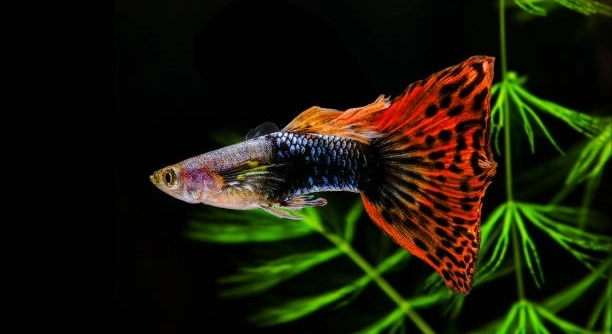
Are your guppies spending most of their time pressed against the glass instead of swimming freely around the tank? This behavior can be confusing, especially if everything else in their environment seems normal.
Guppies stick to the glass for several reasons, including poor water quality, stress, boredom, temperature imbalances, reflection confusion, a desire for food, or natural curiosity. Identifying the cause requires close observation and consistent tank maintenance.
Each of these factors can affect your guppies’ comfort and behavior in different ways. Understanding the details will help you create a healthier, more balanced home for them.
Poor Water Quality
One of the most common reasons guppies stick to the glass is poor water quality. Ammonia, nitrite, or nitrate levels can rise quickly in small tanks, especially if they’re overcrowded or under-maintained. Guppies may move to the glass area because it offers more oxygenated water or because they’re trying to escape the discomfort caused by toxic elements in the tank. Regular water testing and consistent cleaning are essential. A clean filter, fresh water, and stable parameters can help reduce stress. If your guppies are acting differently, start by checking your tank’s ammonia and nitrite levels right away.
Increased waste or uneaten food may lead to sudden spikes in toxins. It’s important to keep these under control to avoid harming your guppies.
Try changing 25% of the water weekly, vacuuming the substrate gently, and testing the water with a liquid test kit. Avoid overfeeding, and clean filters regularly without disrupting beneficial bacteria.
Stress from Tank Conditions
Tank conditions like sudden temperature changes, improper lighting, or strong water flow can stress your guppies and cause them to stick to the glass.
Stress can make guppies act differently. If they don’t feel secure, they might hover near the glass or try to stay in one spot. Bright lighting without shaded areas, fast currents from filters, or erratic changes in temperature are all factors that may make them feel uneasy. Use a thermometer to monitor the temperature, keep lighting consistent, and adjust your filter if it’s too strong. Add hiding spots using plants or decorations. A calmer environment makes guppies more confident and active. Look for signs like clamped fins or pale colors, which may also indicate stress. Once the cause is removed, most guppies bounce back and begin swimming more freely again.
Boredom or Lack of Stimulation
Guppies are active and curious fish. When their tank lacks variety, they may stick to the glass out of boredom. Repetitive behavior like this can be a sign they need more to explore or interact with in their environment.
A bare tank with no plants, hiding spots, or objects to swim around can leave guppies feeling restless. Without stimulation, they may turn to the glass as their only point of interest. Adding live or silk plants, floating decorations, and gentle air stones can change how they use the space. You might also rotate tank items occasionally to keep things interesting. Guppies also benefit from seeing motion or activity outside their tank. A calm setting with some external movement can actually encourage natural behavior. A well-decorated tank supports their mental well-being and helps reduce repetitive habits like glass surfing.
Try offering more frequent interaction by varying their diet or feeding routine. Guppies enjoy hunting for food or nibbling on live plants like duckweed. Providing floating foods or using feeding rings encourages movement across the water column. You can also add peaceful tank mates that keep them engaged without causing stress. These small changes often lead to big differences in how your guppies behave during the day.
Reflection Confusion
Guppies sometimes mistake their own reflection in the glass for another fish. This often leads them to hover or react near the tank walls, thinking they’re interacting with another guppy. It’s more common in brightly lit tanks or dark backgrounds.
If your tank lighting is too strong or the background is plain, the glass can reflect their image more clearly. Guppies might flare their fins, pace, or stay in one spot facing the glass. Over time, this behavior can become a regular part of their day. To reduce reflection, adjust the lighting to a softer setting or switch off surrounding room lights during certain hours. Adding background paper, plants, or dark-colored tank walls can also reduce the effect. Make sure your guppies have enough enrichment so they don’t focus on their reflection. If the behavior fades when lighting changes, it was likely caused by mirror-like reflections.
Looking for Food
Guppies quickly learn that food often comes from the top or near the glass. They may gather by the walls if they associate movement near the tank with feeding time or someone approaching to give food.
Overfeeding or feeding on a schedule that’s too predictable can reinforce this habit. Guppies are always looking for a snack and may seem hungrier than they are. Spread feedings throughout the day in small amounts or use floating plants to make feeding more natural and less glass-focused.
Temperature Imbalance
When the tank temperature is too cold or too warm, guppies may stick close to the glass where the temperature feels slightly different. Inconsistent heat distribution, especially in larger tanks or those with faulty heaters, can create uneven zones. Aim for a steady range between 74°F and 82°F. Use a reliable heater and thermometer to avoid sudden changes. A digital thermometer placed on the opposite side of the heater can help monitor the full tank’s temperature. Check for drafts or sunlight that may cause fluctuations. Stable temperatures keep guppies calm and reduce the chances of them seeking comfort near the glass.
Natural Curiosity
Guppies are naturally curious and may explore the glass out of habit. They’re interactive fish and often react to movement outside their tank, especially in busy rooms.
FAQ
Why are my guppies only sticking to one side of the glass?
This usually happens when that side of the tank is warmer, better lit, or closer to a person they associate with feeding. Guppies are creatures of habit and tend to stay where they feel most comfortable. If a heater or light source is positioned unevenly, it may make one side more appealing. You might also notice them gathering where they can see movement outside the tank, especially if it’s near where feeding normally happens. Moving decorations or changing the tank’s layout can help distribute their attention more evenly across the tank space.
Is it normal for guppies to swim against the glass constantly?
Frequent glass surfing can be a sign of stress, boredom, or water quality issues. While occasional interaction with the glass is normal, constant pacing or rubbing usually points to discomfort. Check your water parameters first. If those are fine, look at enrichment and tank size. A larger tank with plants, places to hide, and gentle water flow can give them more to do. If your guppies are new to the tank, they might just be adjusting. Give them time, keep things stable, and avoid sudden changes to their environment.
Can guppies see their reflection in the glass?
Yes, guppies can see reflections in glass under certain lighting conditions. When the tank light is bright and the background is dark, their image reflects back at them like a mirror. This can confuse them into thinking there’s another guppy nearby. You might notice them flaring fins or repeatedly swimming at the same spot. To help, dim the lights slightly or place a background sheet behind the tank. Live plants and darker décor can also break up reflections and give them more visual comfort. Guppies generally stop reacting once the reflection disappears or becomes less visible.
Should I worry if only one guppy is sticking to the glass?
If it’s just one guppy behaving this way, monitor it closely for other signs of illness or stress. Look for things like clamped fins, unusual swimming patterns, or lack of appetite. It could be responding to something the others aren’t affected by yet, such as early illness or sensitivity to water changes. Isolate the behavior by checking water conditions and observing how that guppy interacts with others. Sometimes, it’s simply a more curious or reactive fish. If the behavior continues or worsens, it might be worth separating it in a breeder box or smaller tank to observe more closely.
How can I stop guppies from sticking to the glass so much?
Start by making sure the water parameters are safe and stable. Test for ammonia, nitrite, nitrate, and pH regularly. Add hiding spots, live plants, and decorations to give them more to explore. Try offering a mix of foods, including live or frozen treats, to add variety. Reduce reflections by adjusting lights and tank placement. Maintain a consistent routine with minimal sudden changes. Guppies thrive in stable environments with room to swim and explore. If your setup meets those needs, you’ll likely see less glass-sticking over time. They respond quickly when conditions are right and feel safe in their space.
Is glass surfing always a bad sign?
Not always. Guppies are naturally active and may explore the glass when they’re excited, curious, or expecting food. It only becomes a concern when the behavior is constant or combined with signs of stress. If they are rubbing against the glass, gasping at the surface, or showing color loss, take a closer look at their environment. Most of the time, minor changes—like shifting light angles or moving decorations—can resolve it. Keep the tank enriched and watch for patterns in their behavior. Occasional glass surfing can just be a normal part of their personality.
Final Thoughts
Guppies are active and curious fish, and it’s normal to see them swimming near the glass from time to time. However, if they are constantly sticking to it, there is usually a reason behind the behavior. It could be related to water quality, stress, tank mates, temperature, or even boredom. These are all common issues that can affect how guppies act in their environment. Observing their behavior and keeping track of any changes can help you understand what they need. It may take a few adjustments, but with the right care, they usually return to normal behavior.
Creating a balanced and calm tank environment goes a long way. Make sure the tank is properly cycled and that the water parameters stay stable. Adding real or artificial plants, hiding spots, and open areas to swim gives your guppies more to do and places to rest. They also enjoy variety in their diet, so try offering different food types in small amounts. Feed them slowly and avoid overfeeding. A tank that meets their basic needs and encourages natural activity will help reduce glass-sticking behavior. When guppies feel safe and stimulated, they tend to explore the whole tank more evenly.
Understanding your guppies takes time, but small details make a big difference. Whether it’s adjusting the light, checking the heater, or spacing out feedings, each change can improve their comfort. Keep in mind that each guppy is different, and some may naturally spend more time at the glass than others. As long as they are eating well, swimming normally, and showing no signs of illness, occasional interaction with the glass is not a concern. With steady care and attention, your guppies can stay active, healthy, and happy in their tank.

Hello,
If you enjoy the content that we create, please consider saying a "Thank You!" by leaving a tip.
Every little bit helps us continue crafting quality advice that supports the health, happiness, and well-being of pets around the world, for pets of all shapes, sizes, and species.
We really appreciate the kindness and support that you show us!