
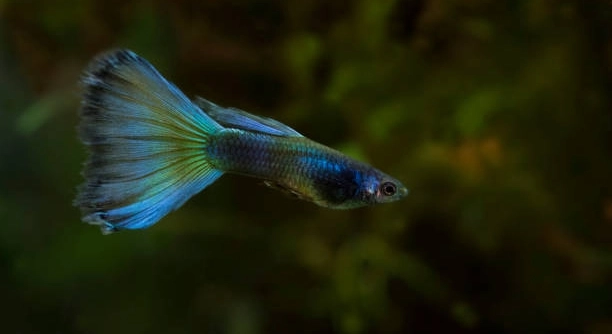
Guppies are popular fish in many aquariums, known for their colorful appearance and lively behavior. However, if you’ve noticed your guppies sticking to the corners of the tank, it might be concerning.
Guppies often stick to the corners of the tank due to stress, poor water quality, or inadequate tank conditions. Other possible reasons include lack of space, temperature fluctuations, or the presence of tank mates that cause aggression.
Understanding the causes behind this behavior can help you create a healthier environment for your guppies. Keep reading to discover how to address these issues and improve your fish’s well-being.
Poor Water Quality
If the water quality in your tank isn’t up to standard, it can stress out your guppies, causing them to stick to the corners. Poor water conditions, including high levels of ammonia, nitrites, or nitrates, can be toxic to fish. Over time, this makes guppies feel unsafe or uncomfortable, leading them to seek out the tank’s edges where they might feel less exposed.
When the water isn’t properly filtered, harmful chemicals build up, and the guppies may try to escape the toxic environment. A lack of regular water changes can also contribute to this issue. It’s essential to monitor the water parameters closely to ensure they stay in a safe range for your fish. Ammonia levels should be near zero, nitrates under 20 ppm, and pH balanced.
Maintaining a proper filtration system and performing frequent water changes will go a long way in making your guppies feel more secure. Test the water regularly and replace the water as needed to maintain a healthy environment. Clear, clean water keeps guppies happy and less likely to stick to the corners of the tank.
Inadequate Tank Space
When your tank is overcrowded, it creates unnecessary stress for your guppies. Fish need their own space to swim around freely. If your tank feels too small or overcrowded, they may retreat to the corners to avoid feeling crowded by other fish.
Having adequate space ensures your guppies feel comfortable and safe. Overcrowding can lead to stress, and stressed fish often exhibit abnormal behaviors. Keeping an appropriate number of fish per tank size is crucial for their well-being. Consider upgrading to a larger tank if your guppies are outgrowing their current space. This gives them more room to explore and reduces the chances of corner-dwelling behavior.
Temperature Fluctuations
Guppies are sensitive to temperature changes, and if the water is too hot or cold, they will likely retreat to the corners. Consistent temperature is important for keeping your fish calm and active. A sudden shift in temperature can shock their system, causing them to behave unusually.
The ideal water temperature for guppies is between 72°F and 82°F (22°C to 28°C). Use a reliable aquarium heater to maintain a steady temperature. Avoid placing the tank in areas with drafty windows or direct sunlight, as this can cause rapid temperature changes. A thermometer will help you keep track of any fluctuations.
Even minor fluctuations in temperature over time can cause stress, weakening your guppy’s immune system and making them more susceptible to disease. Make sure the water stays within the ideal range to help your guppies thrive and prevent them from sticking to the tank corners due to discomfort.
Aggressive Tank Mates
If you have aggressive or overly territorial fish in the same tank as your guppies, it can lead to stressful situations. Guppies are small and peaceful, so they may feel threatened by more dominant species, causing them to stick to corners to hide.
Aggressive tank mates can chase or nip at the guppies, leading to anxiety. This stress makes guppies seek out the corners where they feel less exposed. Some fish species are naturally territorial, which can escalate tension in the tank. If this is the issue, consider separating the aggressive fish or adding more hiding spaces for your guppies.
You can also improve the situation by keeping only peaceful species with guppies. Avoid species that are known for aggression, such as fin-nippers or large carnivorous fish. The less stress your guppies face from tank mates, the more active and comfortable they will be.
Water Current Too Strong
Guppies prefer calm waters, and strong currents can make them feel uncomfortable. If your tank has a powerful filter or water pump, your guppies might seek shelter in the corners to avoid being swept away.
Too much current can exhaust guppies, leaving them with less energy to explore the tank. If the water movement is too intense, consider adjusting the filter flow or placing obstacles to reduce the current. Creating calmer zones within the tank can help your guppies feel safe and secure.
Adding plants or decorations also helps break the flow of water, providing your guppies with areas where they can escape the current. Make sure the filter is set at an appropriate speed to ensure the tank’s water remains clean without overwhelming your fish.
Illness or Injury
Guppies that are unwell or injured often hide in the corners of the tank. Illness can cause stress and discomfort, leading them to seek out a quiet, secluded area to rest. Look for signs of disease or physical damage.
Injured or sick guppies will avoid interacting with other fish and spend time in corners to recover. If you notice a change in behavior, check for common illness symptoms, like spots, bloating, or damaged fins.
Isolating the sick fish and providing proper treatment can help prevent the illness from spreading and give your guppy the chance to heal. Regularly observing your fish can help you catch these issues early.
Overfeeding
Overfeeding is a common issue that can lead to unhealthy water conditions and stress for your guppies. When there’s excess food in the tank, it degrades water quality, which in turn affects the behavior of your fish.
Leftover food can rot and raise ammonia levels, creating an unsafe environment. Guppies may retreat to the corners when the water quality deteriorates due to overfeeding. It’s essential to feed your fish only as much as they can consume in a few minutes.
To prevent overfeeding, set a feeding schedule and avoid offering large amounts of food at once. By managing the feeding process, you can maintain better water quality and keep your guppies happy and healthy.
FAQ
Why are my guppies staying in one spot?
Guppies that stay in one spot might be feeling stressed, uncomfortable, or unwell. This could be due to poor water quality, temperature fluctuations, or aggressive tank mates. Make sure the water is clean, the temperature is stable, and that they’re not being bullied by other fish. If they’re still stationary, check for signs of illness or injury.
Can guppies die from being stressed?
Yes, stress can weaken guppies’ immune systems, making them more susceptible to disease. Chronic stress from poor water quality, lack of space, or tank mate aggression can eventually lead to health problems, which could result in death. Keeping a stable, clean environment is key to preventing stress-related issues.
What should I do if my guppies are swimming at the top of the tank?
If your guppies are swimming at the top, they may be struggling to get enough oxygen, or the water might be too warm. Check the oxygen levels and make sure the tank is properly aerated. You should also monitor the temperature to ensure it falls within the recommended range for guppies. If everything checks out, observe their behavior for other signs of distress.
How do I know if my guppies are sick?
Sick guppies may show signs such as lethargy, faded colors, fin clamping, abnormal swimming patterns, or spots on their bodies. They might also lose their appetite or have difficulty breathing. If you notice any of these symptoms, isolate the affected fish and consider treating them with appropriate medication.
Do guppies need a lot of space?
Yes, guppies need enough space to swim freely. An overcrowded tank can stress them out, causing them to hide in corners or exhibit other unusual behavior. A 10-gallon tank is generally considered the minimum for a small group of guppies. The more space you provide, the healthier your fish will be.
How often should I clean my guppy tank?
Guppy tanks should be cleaned regularly to maintain water quality. Perform partial water changes (about 25-30%) once a week. Clean the substrate and remove any debris from the bottom of the tank. Regular maintenance will help prevent the buildup of harmful toxins, which can stress your guppies and affect their health.
Can I keep other fish with guppies?
Yes, guppies can live with many other peaceful species. However, you should avoid aggressive or larger fish that might bully or eat your guppies. Fish like neon tetras, mollies, or platies are good tank mates. Always research tank mates before adding them to ensure they’re compatible with guppies.
What is the best temperature for guppies?
Guppies thrive in temperatures between 72°F and 82°F (22°C to 28°C). It’s important to keep the temperature steady, as sudden changes can stress the fish. A reliable aquarium heater is recommended to maintain consistent warmth, especially if your home’s temperature fluctuates.
Can overfeeding cause my guppies to act strange?
Yes, overfeeding can lead to poor water quality, which will cause your guppies to act strange, including hiding in corners. When food remains uneaten, it decomposes and raises ammonia levels in the water, leading to stress. Feed your guppies small amounts they can eat in a few minutes to prevent this issue.
How can I make my guppies feel safer?
Provide hiding places like plants, rocks, or decorations. These areas give guppies a sense of security and can reduce stress. A well-decorated tank with calm water and appropriate tank mates will help your guppies feel safe. Keep the tank clean and stable, and avoid overcrowding.
Why are my guppies swimming in circles?
Swimming in circles might indicate a problem with water quality or an issue with the filter. It could also be a sign of stress or illness. Check the water parameters, such as ammonia, nitrites, and pH, and make sure the filter is working properly. If everything seems fine, observe your guppies for other signs of distress.
How can I tell if my guppies are breeding?
If your guppies are breeding, you’ll likely notice a female that appears fuller in the belly as she carries developing fry. You may also see males chasing the females. Guppies are livebearers, meaning they give birth to live fry rather than laying eggs. Once born, the fry should be separated from the adults to prevent them from being eaten.
Can guppies live with other types of fish?
Yes, guppies are generally peaceful and can live with other non-aggressive fish. However, be cautious when adding species that may see guppies as food or become territorial. Fish like tetras, mollies, and corydoras catfish are typically safe companions for guppies.
How long do guppies live?
Guppies typically live between 2 to 3 years, though some can live longer with proper care. Factors like water quality, temperature, and diet can all influence their lifespan. A healthy tank with good maintenance habits will help your guppies live their full lifespan.
Can guppies live without a filter?
Guppies can survive without a filter, but it’s not ideal. A filter helps maintain water quality by removing toxins and waste. Without a filter, you’ll need to perform more frequent water changes to keep the tank clean. A filter also helps oxygenate the water, which is important for your guppies’ health.
Final Thoughts
Understanding why your guppies stick to the corners of the tank is essential in ensuring their health and well-being. There are many factors that can contribute to this behavior, such as poor water quality, temperature fluctuations, or the presence of aggressive tank mates. Identifying the cause will help you create a better environment for your fish, allowing them to feel safe and comfortable. By making simple adjustments, such as improving water quality, reducing stress, and ensuring they have enough space, you can help your guppies become more active and happier in their tank.
Regular maintenance is key to preventing many of the issues that lead to guppies sticking to the corners. This includes performing weekly water changes, checking the temperature, and monitoring the water’s chemical levels. Having a proper filtration system also plays a huge role in keeping the water clean, which in turn prevents stress in your guppies. Adding plants and decorations not only creates a more attractive environment but also provides hiding spots where your guppies can feel more secure. These small steps can significantly improve the health of your fish.
Finally, always observe your guppies closely to spot any signs of illness or stress early. Sometimes, a guppy might be sick or injured, causing them to retreat to the corners for safety. By addressing any issues promptly, you can ensure your guppies remain healthy and active. Creating a calm, well-maintained tank environment is crucial in helping them thrive. With the right care and attention, your guppies will feel at ease and continue to bring beauty and life to your aquarium.

Hello,
If you enjoy the content that we create, please consider saying a "Thank You!" by leaving a tip.
Every little bit helps us continue crafting quality advice that supports the health, happiness, and well-being of pets around the world, for pets of all shapes, sizes, and species.
We really appreciate the kindness and support that you show us!