
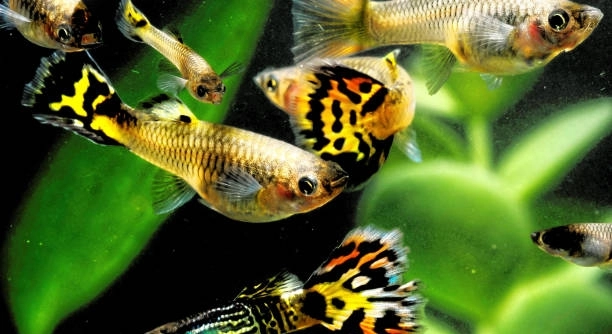
Guppies are popular aquarium fish, known for their colorful fins and lively nature. However, if you notice them staying still at night, it can raise some concerns. Understanding the reasons behind this behavior is important for their well-being.
Guppies may stay still at night due to factors like natural rest periods, low water temperature, or poor water quality. Additionally, stress, illness, or unsuitable lighting can also affect their activity levels, causing them to become more passive.
Addressing these concerns will help improve your guppies’ overall health and activity levels during the night.
1. Temperature Changes Can Cause Stillness
Guppies are sensitive to temperature shifts in their environment. When the water temperature is too low, they may become sluggish or even inactive at night. Guppies typically thrive in water temperatures ranging from 74°F to 82°F. If the temperature drops below this range, they might stay still to conserve energy. This is their way of coping with colder water, as they are ectothermic animals, meaning their body temperature is regulated by the surrounding environment.
A simple way to keep the temperature stable is by using an aquarium heater. This ensures that your guppies remain active, even at night. Regularly checking the water temperature with a reliable thermometer can help you maintain the ideal range.
Adjusting the temperature will help prevent your guppies from becoming too still. Maintaining consistent warmth allows them to swim around and exhibit normal behavior, ensuring they stay healthy and active during the day and night.
2. Poor Water Quality and Stress
Water quality is a major factor affecting guppies. If the tank is not properly filtered or if the water parameters are off, such as high ammonia levels or low oxygen, your guppies may feel stressed. Stress causes them to hide or stay still, especially at night when they are trying to rest. Regular water changes and testing for pH, nitrate, and ammonia levels can help avoid this issue.
Poor water quality also encourages the growth of harmful bacteria that can make your guppies ill. Keeping the tank clean and maintaining the right conditions will ensure they remain active.
3. Inadequate Lighting Can Affect Activity
Guppies rely on a consistent day-night cycle to regulate their behavior. Inadequate lighting in the aquarium can confuse their internal clocks. If the tank is too dark or too bright, guppies may stay still or become lethargic at night. Proper lighting is essential for maintaining a healthy environment and encouraging natural activity.
Using a timer for your aquarium lights will help create a stable routine for your guppies. Aim for 10 to 12 hours of light per day, mimicking their natural environment. This balance helps regulate their sleep-wake cycle, ensuring they remain active and healthy.
Ensure the light is not too harsh or too dim, as both extremes can negatively affect your guppies. Proper lighting not only encourages activity but also reduces stress, providing a better overall environment for your fish.
4. Stress from Overcrowding or Tankmates
Guppies are small, social fish, but overcrowding can cause unnecessary stress. When there are too many fish in a tank, your guppies may feel cramped, which can lead to less movement, especially at night. It’s important to ensure your aquarium is appropriately sized for the number of fish it contains. A general rule is 1 inch of fish per gallon of water.
Another factor to consider is the presence of aggressive or overly territorial tankmates. Guppies may stay still if they feel threatened. Peaceful companions that don’t compete for space or food will keep your guppies more comfortable, encouraging normal activity levels during both day and night.
By maintaining a well-sized aquarium and carefully selecting compatible tankmates, you create a less stressful environment for your guppies, ensuring they remain active and healthy.
5. Illness Can Cause Inactivity
When guppies are ill, they often become less active, especially at night. Conditions like swim bladder disorder or parasitic infections can cause them to stay still or swim erratically. Regularly checking your fish for signs of illness is essential to address issues early and prevent further complications.
If you notice any unusual behavior, such as lack of movement or unusual swimming patterns, it could indicate a health problem. Keeping the water clean and maintaining proper temperature can prevent many illnesses. Treatment may involve medicating the tank or adjusting the conditions to promote recovery.
6. Overfeeding Can Lead to Inactivity
Overfeeding can cause more harm than just water pollution. Excess food left in the tank can lead to water quality problems, which contribute to stress and inactivity in guppies. It’s important to feed them only what they can consume in a few minutes.
Proper feeding habits promote a healthier environment and more active fish. Reducing the frequency of feeding and ensuring any uneaten food is removed promptly will help maintain the tank’s balance. Regularly monitoring your guppies’ feeding habits and adjusting accordingly can help keep them moving and healthy.
7. Natural Resting Behavior
Like all fish, guppies have natural periods of rest, particularly at night. It’s normal for them to slow down and become still during this time. As long as they are not showing signs of illness or stress, this behavior is simply part of their daily cycle.
FAQ
Why do my guppies stay still at night?
Guppies may stay still at night for several reasons. It could be due to natural behavior, as they often rest during the night. However, environmental factors like water temperature, poor water quality, or inadequate lighting can also contribute. Illness, stress from overcrowding, or aggressive tankmates can further impact their activity levels. Ensuring the tank has stable conditions, proper lighting, and compatible tankmates is essential for their overall health.
How can I tell if my guppies are sick?
Sick guppies often show signs like swimming erratically, staying at the surface or bottom of the tank, lack of appetite, or faded colors. Visible symptoms such as sores, lesions, or clamped fins are also indicators of illness. If you notice any of these signs, it’s important to act quickly and assess the water quality. Treatment may involve adjusting the water parameters or using medication.
Can temperature fluctuations affect guppy behavior?
Yes, temperature fluctuations can significantly affect guppy behavior. If the water gets too cold, guppies may become sluggish or stay still to conserve energy. Guppies thrive in temperatures between 74°F and 82°F, so it’s important to maintain a consistent temperature. Using a reliable aquarium heater and thermometer can help stabilize the environment.
What should I do if my guppies are staying still and not moving?
If your guppies are staying still, start by checking the water temperature and quality. Ensure the tank is properly filtered, and ammonia and nitrate levels are within safe ranges. Also, observe the tank for any signs of aggression from other fish, and remove any aggressive tankmates. If there are no issues with the environment, it’s important to monitor your guppies for signs of illness.
How do I prevent my guppies from getting stressed?
To prevent stress, provide a stable environment with proper water conditions. Avoid overcrowding and ensure that tankmates are peaceful. Maintaining a consistent day-night light cycle will also help regulate their behavior. Regular water changes and feeding practices will contribute to a less stressful atmosphere for your guppies.
Can poor water quality cause guppies to stay still?
Yes, poor water quality is one of the most common reasons for guppies to become inactive. High ammonia or nitrate levels, low oxygen, or incorrect pH can lead to stress and lethargy. Regularly testing and maintaining water parameters within safe ranges is crucial. Perform weekly water changes and clean the tank regularly to avoid these problems.
How often should I change the water in my guppy tank?
For a healthy environment, it’s recommended to change 20-25% of the tank water every week. This helps maintain water quality, reducing ammonia, nitrates, and other harmful substances. If your tank has a high fish load or is heavily planted, you may need to adjust the frequency of water changes accordingly.
Can guppies sleep at night?
Yes, guppies have a natural sleep-wake cycle. At night, they typically rest, becoming less active or still. As long as their environment is suitable, this is completely normal. Avoid disturbing them during this time to allow them to recharge and be active during the day.
Is it normal for guppies to stay still during the day?
It’s not unusual for guppies to become still during the day, especially if they are resting after a meal or in low-light conditions. However, if they remain still for long periods and show no interest in swimming, it could indicate a problem. Always check water quality, temperature, and overall tank conditions.
How do I know if my guppies are getting enough food?
Guppies should be fed small amounts of food that they can consume in a few minutes. If there is uneaten food left behind, it may indicate overfeeding. Guppies that are not getting enough food might become lethargic or fail to thrive. Keep track of their feeding habits and adjust accordingly.
Can I keep guppies with other types of fish?
Guppies are generally peaceful and can be kept with other non-aggressive fish. However, avoid keeping them with large or aggressive species that may stress them out or cause them harm. Ideal tankmates include other small, peaceful fish such as neon tetras or other livebearers. Always monitor interactions to ensure harmony in the tank.
What can cause guppies to swim erratically?
Erratic swimming in guppies can be caused by various factors, such as water quality issues, parasites, or stress. If the water parameters are off, they may exhibit unusual swimming behavior. Additionally, swim bladder problems can lead to erratic swimming. If the issue persists, it’s crucial to identify the underlying cause and make the necessary adjustments.
How long do guppies typically live?
Guppies generally live for 2 to 3 years, though some may live longer with optimal care. Providing stable water conditions, proper diet, and a peaceful environment will help ensure they live a long, healthy life. Regular monitoring and maintenance of the tank can also help prevent health issues that shorten their lifespan.
Are guppies more active during the day?
Yes, guppies are more active during the day. They are diurnal creatures, meaning they are awake and swimming around in the daylight hours. At night, they tend to slow down and rest. However, their activity levels can also depend on their environment and overall health.
Final Thoughts
Understanding why guppies stay still at night is important for maintaining their overall health and well-being. While some inactivity can be completely normal, there are factors that could lead to reduced movement, such as poor water conditions, stress, or illness. Addressing these issues promptly can help your guppies stay active and healthy. Regularly checking the water quality, maintaining appropriate tank conditions, and ensuring a peaceful environment for your fish can go a long way in promoting their well-being. It’s essential to pay attention to any changes in behavior as these can signal a potential problem that needs attention.
Taking care of guppies involves more than just feeding them. Regular water changes, proper lighting, and monitoring of tankmates are crucial for their overall health. Overcrowding, incompatible tankmates, or improper feeding habits can all contribute to stress, which can manifest as inactivity. By creating a stable and peaceful environment, you can help your guppies feel secure, encouraging normal behavior. Pay attention to their activity patterns, and if you notice any sudden changes, it’s best to investigate the cause and address it. This will help ensure your guppies live a long, healthy life in their aquarium.
Ultimately, keeping your guppies active requires regular observation and maintenance. Consistent care can prevent many of the issues that cause inactivity. Whether it’s adjusting the lighting, fixing water conditions, or making sure they’re not stressed by other tankmates, a little effort goes a long way. Guppies are resilient, but a well-maintained environment will help them thrive and remain active throughout the day and night. By focusing on their needs and making small adjustments as necessary, you can create a healthy and vibrant aquarium for your fish.

Hello,
If you enjoy the content that we create, please consider saying a "Thank You!" by leaving a tip.
Every little bit helps us continue crafting quality advice that supports the health, happiness, and well-being of pets around the world, for pets of all shapes, sizes, and species.
We really appreciate the kindness and support that you show us!