
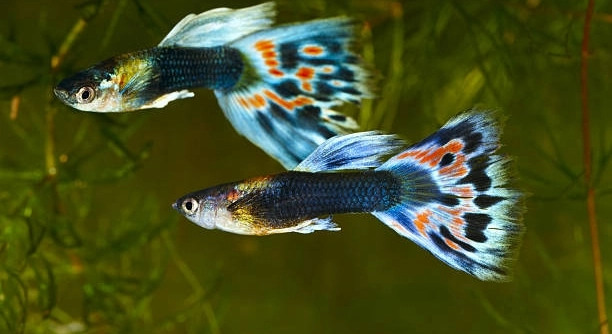
Guppies are popular aquarium fish, but when they stay still for long periods, it can be concerning. Observing this behavior helps ensure their well-being, as it might indicate something beyond the usual resting state.
Several factors could cause your guppies to remain motionless. These include stress, illness, water quality issues, or inadequate tank conditions. Understanding and addressing these factors is essential to maintaining their health and activity levels.
Identifying the causes behind your guppies’ behavior is key to resolving the issue and ensuring a vibrant and active aquarium.
Stress from Environmental Changes
Stress is a common factor that may cause guppies to stay still. This can happen when there are sudden changes in their environment, such as a new tank setup or the introduction of new fish. They may feel threatened and retreat into stillness to avoid perceived danger. Poor tank conditions like extreme temperatures or fluctuating pH levels can also stress guppies, affecting their behavior. Guppies are highly sensitive to these changes and may exhibit signs of stress by staying motionless for long periods.
Stressful situations in the tank can be addressed by maintaining a stable environment. Avoid sudden changes, such as drastic temperature shifts or overcrowding. Keeping the water clean and ensuring proper filtration can also reduce stress.
Regular monitoring of water quality and fish interactions will help minimize stress-related behavior. When guppies are comfortable, they will become more active, improving their overall well-being and tank health.
Illness and Disease
Guppies can become inactive if they are unwell. Illness can result in lethargy, which may cause them to remain still or hide. Common diseases that affect guppies include swim bladder disorders, fin rot, or parasites. These health problems make it difficult for guppies to swim actively, leading to prolonged stillness.
When a guppy is sick, their lack of movement is often a sign of discomfort or weakness. Quick action can prevent further deterioration. Remove any sick fish immediately to avoid infecting others, and carefully observe the remaining fish for any signs of illness.
Providing a quarantine tank for sick guppies is a helpful strategy. It ensures the disease does not spread and gives the affected fish a better chance to recover. Proper treatment and water conditions are crucial in speeding up the healing process. Regular observation of their behavior will help detect early signs of illness and prevent further complications.
Poor Water Quality
Guppies can become still when the water quality in their tank is poor. High levels of ammonia, nitrites, or nitrates can stress fish and cause inactivity. It’s essential to regularly test the water for these toxins to maintain a healthy environment.
To prevent poor water quality, perform regular water changes and ensure proper filtration. Clean the tank and remove excess food or debris that could affect the water. Overcrowding can also reduce the quality of the tank’s water, as there will be more waste to break down.
Maintaining a stable water temperature and adjusting the filter flow rate can also help keep the water clean and safe for your guppies. Consistent care and observation will ensure your fish remain active and healthy.
Tank Size and Space
Guppies require adequate space to swim and thrive. A cramped environment can make them feel trapped, leading to stillness. If your tank is too small for the number of guppies or other fish, it can restrict their movement, causing stress and inactivity.
Proper tank size ensures that your guppies have enough space to explore and engage in natural behaviors. A tank of at least 10 gallons is ideal for a small group of guppies, with additional space required for every additional fish. If your tank is overcrowded, consider upgrading or removing some fish to improve the living conditions.
Inadequate space can also affect water quality, as a higher fish density increases waste production. Ensure your tank is well-maintained with the right amount of space for your guppies to feel comfortable. This simple adjustment can encourage more active and healthy fish.
Inadequate Diet
A poor diet can lead to inactivity in guppies. If they are not getting the right nutrients, they may become weak and lethargic. Feeding them a varied diet is essential to their health and activity levels.
Guppies need a balanced diet of high-quality flakes, pellets, and occasional live or frozen foods. Overfeeding can also cause problems, as uneaten food can degrade water quality. Providing appropriate portions ensures they receive the proper nutrients.
A poor diet impacts overall fish health, so offering a range of nutritious foods is vital for maintaining activity levels in your guppies.
Tank Mates
The presence of aggressive tank mates can cause guppies to feel threatened and stay still. Guppies are peaceful fish and can become stressed in the presence of more dominant or territorial species.
Ensure that your tank mates are compatible with guppies. Fish such as larger cichlids or fin-nipping species can stress guppies, causing them to avoid swimming. This behavior is a sign of fear or discomfort, which should be addressed immediately by separating the aggressive fish.
A peaceful tank environment encourages guppies to be more active and comfortable, ensuring they can interact and explore their surroundings.
Lighting Conditions
Too much or too little light can affect your guppies’ activity levels. Proper lighting is important to maintain a natural day-night cycle, which helps regulate their behavior.
Excessive light may cause stress, while insufficient light may reduce their activity and overall well-being. Ensure your tank has a balanced light cycle, with about 10-12 hours of light and 12-14 hours of darkness.
Proper lighting will not only enhance your guppies’ activity levels but also help maintain a healthy tank environment.
FAQ
Why are my guppies staying still after water changes?
Guppies may stay still after a water change due to stress from the sudden shift in their environment. Changes in water temperature, pH, or ammonia levels can affect their behavior. Always make sure the new water is treated and at the same temperature as the tank water to reduce stress. After a water change, allow your guppies time to adjust to the new conditions, and monitor their behavior closely. If they continue to stay still, it may be a sign of more serious issues with the water quality.
Can water temperature affect my guppies’ activity?
Yes, temperature plays a crucial role in a guppy’s behavior. Guppies thrive in water temperatures between 74-82°F (23-28°C). If the water temperature is too high or too low, guppies may become lethargic or seek out stillness to conserve energy. Ensure your aquarium heater is functioning properly and maintain a stable water temperature to keep your guppies active and healthy. Sudden temperature changes can also cause stress, so avoid rapid fluctuations.
How often should I feed my guppies to keep them active?
Overfeeding or underfeeding your guppies can both result in inactivity. Feed them small portions 2-3 times a day, ensuring they can consume the food within a few minutes. This ensures they get enough nutrition without overloading the tank with uneaten food, which can degrade water quality. A balanced diet of flakes, pellets, and occasional live or frozen food will help maintain energy levels and encourage activity.
Can stress from other fish cause my guppies to stay still?
Yes, guppies are peaceful and non-aggressive fish. They can become stressed if housed with more dominant or territorial species. Stress may lead them to retreat into corners or stay still. Monitor tank mates carefully and avoid keeping aggressive fish with guppies. If you notice signs of stress, like hiding or inactivity, consider separating aggressive species from your guppies. Peaceful tank mates like tetras or peaceful barbs are more suitable companions for guppies.
What should I do if my guppies are not moving or swimming much?
If your guppies are not swimming, check their environment for stressors. Inspect the water quality, including ammonia, nitrite, and nitrate levels. Poor water conditions are a common cause of inactivity. Ensure the water is clean and the filter is working effectively. Also, assess if tank mates are stressing the guppies. If no obvious environmental issues are found, the guppies may be sick, and you should consider isolating them for treatment.
Are guppies naturally inactive sometimes?
Yes, guppies do rest and take breaks from swimming, especially at night or during periods of low activity. However, prolonged stillness can be a sign of underlying issues like stress, illness, or poor water quality. It’s normal for them to slow down during their resting period, but if they remain motionless for an extended time during the day, it may indicate a problem that needs to be addressed.
How can I prevent my guppies from staying still due to poor water quality?
To maintain good water quality, conduct regular water changes, ideally 25-30% of the tank volume every week. This helps to remove waste and toxins that accumulate over time. Use a high-quality filtration system, monitor water parameters such as pH, ammonia, nitrites, and nitrates, and adjust accordingly. Keeping the tank clean and properly filtered will reduce the likelihood of water-related stress and inactivity in your guppies.
What tank size is best for guppies to stay active?
Guppies are small fish, but they still need space to move freely. A 10-gallon tank is the minimum recommended size for a small group of guppies. Larger tanks provide more space for swimming, which encourages activity. Overcrowding can lead to stress, poor water quality, and inactivity. If you have more than a few guppies, consider upgrading to a larger tank to ensure their comfort and health.
Do guppies need specific lighting to stay active?
Guppies need a proper day-night cycle to stay active and healthy. They require around 10-12 hours of light each day and about 12-14 hours of darkness. Too much light can cause stress, while too little light can make them less active. A consistent lighting schedule also helps regulate their circadian rhythm, promoting healthy behavior.
Can swim bladder disease make my guppies stay still?
Yes, swim bladder disease can cause guppies to float motionless or have difficulty swimming. The disease can result from overfeeding, poor diet, or sudden changes in water conditions. Guppies with swim bladder problems may become lethargic and stay still. If you suspect swim bladder disease, adjust their diet and water conditions, and provide a quarantine tank to help with recovery.
How can I reduce stress for my guppies and keep them active?
Reducing stress for guppies involves maintaining stable water conditions, providing compatible tank mates, and ensuring they have enough space to swim. Regular water changes, proper filtration, and maintaining appropriate water temperatures are crucial. Avoid sudden changes in the tank environment, and monitor your guppies for any signs of illness or distress. Stress-free conditions will encourage activity and overall well-being.
Final Thoughts
Guppies are generally active fish, but various factors can influence their behavior. If your guppies are staying still, it’s essential to observe their environment and check for common issues, such as water quality, diet, tank mates, or lighting. Ensuring that your guppies live in a well-maintained tank with stable conditions is crucial to their well-being. Small changes can often make a big difference in their activity levels.
The health and happiness of your guppies depend on the environment you provide. Poor water quality, incorrect temperature, or a lack of proper nutrition can cause guppies to become inactive. Regular water changes, proper filtration, and a balanced diet help prevent these issues. Additionally, ensuring that their tank mates are compatible with guppies can reduce stress, encouraging them to swim and explore.
By maintaining a peaceful, clean, and well-balanced tank, you create an environment where your guppies can thrive. Monitoring their behavior, providing the right food, and ensuring proper lighting can keep them active and healthy. If your guppies remain still despite these efforts, it may indicate a health problem or more serious issue, and further action should be taken.

Hello,
If you enjoy the content that we create, please consider saying a "Thank You!" by leaving a tip.
Every little bit helps us continue crafting quality advice that supports the health, happiness, and well-being of pets around the world, for pets of all shapes, sizes, and species.
We really appreciate the kindness and support that you show us!