
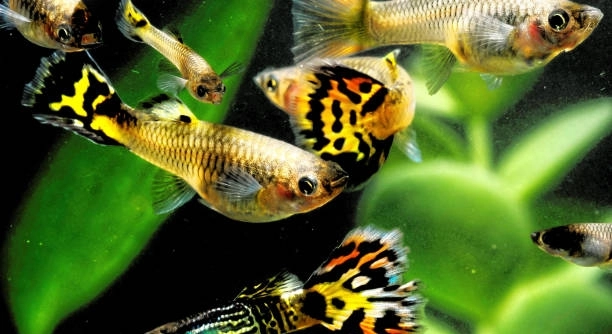
Is your aquarium filled with guppies that seem to prefer hanging around the surface? This behavior can be puzzling, but there are several reasons behind it. Understanding the cause can help you ensure your guppies stay happy and healthy.
Guppies may stay near the surface due to factors such as poor water quality, low oxygen levels, or temperature fluctuations. Additionally, stress, overcrowding, and the presence of other fish species can contribute to this surface-dwelling behavior.
There are several factors to consider that could explain this behavior. By identifying and addressing these causes, you can create a healthier and more comfortable environment for your guppies.
Poor Water Quality
One of the most common reasons guppies stay near the surface is poor water quality. When water conditions deteriorate, fish often seek oxygen at the surface. A lack of proper filtration or infrequent water changes can lead to a buildup of harmful substances, such as ammonia or nitrates. This can stress your fish and make them swim near the top to get away from toxins in the water. Keeping the water clean is essential for guppy health.
Water quality should be tested regularly for ammonia, nitrites, and nitrates. If these levels are too high, your fish may be in danger. A good filtration system can help keep the water clean, and performing regular water changes ensures that harmful substances are removed. The temperature of the water also plays a role, as fluctuations can stress fish and cause them to act unnaturally.
Maintaining proper water quality not only ensures your guppies are comfortable but also prevents long-term health issues. If the water is clear, the fish are more likely to swim freely at various depths. Without the stress of polluted water, they will be healthier and more active.
Oxygen Deficiency
If the oxygen levels in the tank are low, guppies will naturally swim near the surface to access more oxygen. Guppies, like most fish, rely on dissolved oxygen in the water to survive. When the oxygen levels decrease, they instinctively move toward the top.
Proper aeration is crucial for maintaining oxygen levels. A simple air pump can help, as well as ensuring there is enough surface agitation. By improving oxygen flow, you create a healthier environment where guppies feel more comfortable at all depths of the tank.
Temperature Fluctuations
Guppies are sensitive to temperature changes, and even small fluctuations can cause them to stay near the surface. When the water is too hot or too cold, guppies will seek areas where the temperature is more stable. Sudden changes in the environment can stress them out.
Maintaining a stable temperature is crucial for guppies. Invest in a reliable aquarium heater and thermometer to ensure the water remains at a comfortable range, typically between 72°F and 82°F. If the temperature fluctuates too much, guppies may remain near the surface, where they feel more secure. Avoid placing the tank in areas that get too hot or cold due to drafts, direct sunlight, or heaters.
Regularly monitoring water temperature helps you catch any issues early. If your guppies are staying near the surface, it might indicate a need for better temperature control. This will prevent discomfort and ensure they thrive in a more stable environment.
Stress and Overcrowding
When guppies feel stressed, they may display unusual behavior, like staying near the surface. Overcrowding can trigger stress, as guppies need space to swim and breathe. When there’s not enough room, they often retreat to the surface, where they feel less threatened.
Make sure your aquarium isn’t too crowded. A good rule of thumb is one inch of fish per gallon of water. If the tank is too full, guppies may have difficulty finding space and proper oxygen. You can reduce stress by adding plants and hiding spots, allowing them to retreat and feel secure.
Guppies are social fish, but they need space to roam. By reducing overcrowding and providing adequate swimming room, you’ll help reduce stress and encourage your guppies to explore the entire tank. This will improve their behavior and overall well-being.
Presence of Other Fish Species
If there are aggressive or larger fish in the tank, guppies might swim near the surface to avoid being bullied. Guppies are small, peaceful fish, and they tend to stay at the top if they feel threatened.
To prevent this, make sure that tank mates are compatible. Avoid mixing guppies with aggressive or territorial fish, as this can increase stress. If necessary, provide additional hiding spots or barriers to help guppies feel safe and secure.
By carefully selecting tank mates, you ensure that all fish can live peacefully together. This creates a healthier environment where guppies don’t need to hide at the surface.
Illness or Injury
When guppies are unwell, they might stay near the surface as part of their instinctive behavior to seek cleaner water and avoid areas where they feel vulnerable. Illnesses like parasites or swim bladder disease can also make them appear sluggish and cause them to float higher in the tank.
Keep an eye out for any other signs of illness, like changes in their appearance or behavior. Treating the tank for any diseases quickly can help restore your guppies to a healthier state, allowing them to swim at all depths again.
Water Hardness
Water hardness, which refers to the mineral content of your aquarium water, can impact guppy behavior. If the water is too hard or too soft, guppies might feel uncomfortable, leading them to stay near the surface.
Test your water for hardness levels to ensure they fall within the optimal range for guppies. Adjusting the water chemistry using appropriate additives can make your tank more suitable for them, reducing their surface-dwelling behavior.
FAQ
Why do my guppies swim at the surface?
Guppies tend to swim near the surface when they are seeking oxygen, especially if the water quality is poor or if there is not enough dissolved oxygen in the tank. Poor filtration, lack of aeration, or overcrowding can all contribute to this. Guppies may also swim at the surface if the water temperature is too high or low, as they try to find a more comfortable area. It’s important to regularly test and maintain water quality, oxygen levels, and temperature to ensure your guppies stay healthy.
How can I increase oxygen levels for my guppies?
To increase oxygen levels, consider adding an air pump, sponge filter, or other aeration devices to the tank. Surface agitation is also key, as it helps gas exchange, bringing oxygen into the water. Avoid overcrowding the tank, as too many fish can reduce the available oxygen. Regular water changes and ensuring proper filtration will also help maintain healthy oxygen levels for your guppies.
Is it okay if my guppies stay at the surface?
It’s not ideal for guppies to stay at the surface constantly. If this behavior is frequent, it might indicate a problem such as poor water quality, oxygen deficiency, or temperature fluctuations. If your guppies are occasionally near the surface to breathe, it may be temporary, but persistent behavior could be a sign of underlying stress or environmental issues that need addressing.
How can I check the water quality for my guppies?
Testing your aquarium water is the best way to assess its quality. There are test kits available that check for ammonia, nitrites, and nitrates. These harmful substances can stress fish and cause them to swim near the surface. You should also measure the pH, water hardness, and oxygen levels to ensure a balanced and healthy environment. Regular water changes are essential to keep toxins in check.
How can I reduce stress in my guppies?
To reduce stress in guppies, make sure their tank is appropriately sized and that there is enough space for swimming. Avoid overcrowding, as this can lead to competition for resources like oxygen. Provide plants, decorations, or hiding spots to create a secure environment where they can feel safe. Tank mates should be non-aggressive to prevent bullying. Keep the water quality in check, as poor water can also contribute to stress.
What temperature should my guppy tank be?
Guppies thrive in water temperatures ranging from 72°F to 82°F (22°C to 28°C). Maintaining a stable temperature is key for their well-being. Avoid placing your tank in areas with fluctuating temperatures, such as near windows, air conditioning, or heaters, as this can cause sudden changes that stress your guppies. Use an aquarium heater and thermometer to monitor the water temperature consistently.
What if I notice other fish bullying my guppies?
If other fish are bullying your guppies, it’s important to separate them or add barriers to reduce aggression. Aggressive fish can cause significant stress, and guppies may stay near the surface to avoid being chased or nipped. Choosing compatible tank mates is crucial. Peaceful species like other small community fish usually work best with guppies.
How often should I change the water for my guppies?
For optimal guppy health, change about 25-30% of the tank water every 1-2 weeks. This helps to remove harmful toxins like ammonia and nitrates that build up over time. You can do smaller water changes more frequently if necessary, especially if you notice any signs of poor water quality, like cloudy water or fish staying near the surface.
Can I keep my guppies with other types of fish?
Yes, guppies can live with other peaceful species. However, be careful with larger or more aggressive fish, as they might stress out the guppies or try to eat them. Small, non-aggressive fish such as neon tetras, mollies, or small catfish make good companions for guppies. Always research the temperament of potential tank mates before introducing them.
Do guppies need a filter?
Yes, a filter is essential for maintaining water quality in your guppy tank. It helps to remove waste, excess food, and other debris that can accumulate and pollute the water. Without proper filtration, harmful toxins like ammonia and nitrites can build up, stressing your fish and leading them to swim near the surface. A filter also promotes water circulation, which is important for oxygenation.
What could cause my guppies to stop swimming around?
If your guppies are not swimming around as usual, it may indicate illness or poor water quality. Check the water parameters to ensure everything is within the ideal range. If the water is fine, look for signs of disease, such as a loss of color, unusual spots, or difficulty swimming. Stress from overcrowding or aggressive tank mates can also cause them to become more lethargic.
Can I use tap water for my guppy tank?
Tap water can be used for your guppy tank, but it must be treated first to remove chlorine and chloramines, which are harmful to fish. Use a water conditioner designed to neutralize these chemicals. It’s also important to check the hardness and pH of the tap water to ensure it’s suitable for guppies. Sometimes, tap water can be too hard or soft, which can stress the fish.
Why are my guppies staying at the surface even with a filter?
Even with a filter, guppies may stay near the surface if the filter is not strong enough or if the oxygen levels in the tank are still low. You may need to add additional aeration, such as an air pump or sponge filter, to help increase oxygen. Additionally, ensure the filter is functioning properly and the water isn’t too stagnant. Regular water changes can also help improve oxygenation and water quality.
Final Thoughts
Understanding why your guppies stay near the surface can help you create a better environment for them. There are many factors that might cause this behavior, including poor water quality, low oxygen levels, temperature fluctuations, overcrowding, and even stress from other tank mates. By addressing these potential issues, you can improve the overall health of your guppies and ensure they live in a comfortable, stable environment.
The most important step is maintaining good water quality. Regularly test the water for ammonia, nitrites, nitrates, and pH levels to ensure they are within the appropriate range. Keeping the water clean and making sure there is enough oxygen will help prevent your guppies from staying at the surface. A proper filtration system, water changes, and sometimes aeration can help keep oxygen levels stable, which is essential for the well-being of your fish.
Aside from water quality, temperature and tank mates play a big role in how your guppies behave. Make sure your tank is not overcrowded, and that the temperature stays between 72°F and 82°F (22°C – 28°C). If you notice signs of stress or aggression from other fish, consider rearranging your tank or finding more peaceful companions for your guppies. By paying attention to these details, you can help your guppies feel more comfortable, allowing them to swim freely throughout the tank instead of staying near the surface.

Hello,
If you enjoy the content that we create, please consider saying a "Thank You!" by leaving a tip.
Every little bit helps us continue crafting quality advice that supports the health, happiness, and well-being of pets around the world, for pets of all shapes, sizes, and species.
We really appreciate the kindness and support that you show us!