
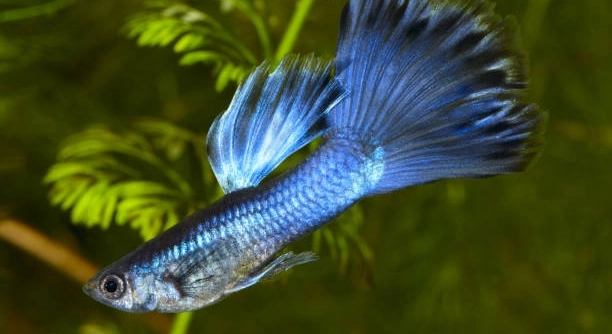
Guppies are lively and playful fish, but you may notice they tend to stay near the air pump in your aquarium. This behavior can be puzzling for any guppy owner. Understanding the reasons behind it can help you care for your fish better.
Guppies staying near the air pump is often linked to their need for oxygen. The water near the air pump tends to have higher oxygen levels, which guppies seek for breathing. This behavior is usually normal and natural.
There are several reasons why your guppies may be attracted to the air pump, from water quality to their comfort in the environment. Understanding these factors can help ensure your guppies thrive in their aquarium.
Low Oxygen Levels in the Tank
Guppies are small fish that need oxygen to survive. When your tank’s oxygen levels drop, guppies may seek areas with better air circulation. The area near the air pump usually provides this. If your tank is too warm or has poor water flow, oxygen levels can decrease, causing your guppies to crowd around the pump. This behavior is a natural response to ensure they are getting enough air to breathe.
A well-oxygenated tank is essential for the health of your guppies. If you notice them clustering near the air pump, it may indicate that the overall oxygen level is insufficient.
It’s a good idea to check your tank’s water quality regularly. Poor water quality, whether from overfeeding or excess waste, can reduce oxygen levels. Using an air pump in the aquarium can help, but it’s also important to maintain proper filtration, perform regular water changes, and keep the temperature stable. This will ensure that your guppies have a healthy, oxygen-rich environment to thrive in.
Inadequate Filtration
Without proper filtration, your tank’s water can become polluted, making it harder for your guppies to breathe.
When water isn’t filtered well, waste and debris build up, which affects the oxygen supply. Your guppies may respond by swimming near the air pump to find cleaner water with better oxygen content.
An efficient filtration system ensures clean water, providing your guppies with a more comfortable and safe environment. It helps remove waste particles and keeps oxygen levels stable. Without a good filter, toxins can accumulate, making the water unhealthy and stressful for your fish. If your filter isn’t strong enough or isn’t working properly, it’s time to upgrade. A filter should be suitable for the size of your tank and should be cleaned regularly to avoid clogging.
Tank Temperature
If the water is too warm, oxygen levels drop, which could explain why your guppies are staying near the air pump. Warmer temperatures hold less dissolved oxygen, so your fish naturally seek areas with better air flow.
Guppies thrive in water temperatures between 72°F and 82°F. If the water is consistently above this range, the oxygen supply becomes insufficient. You might notice your guppies gasping or swimming near the pump to access more oxygen. A simple way to fix this is by adjusting your heater to maintain an ideal temperature. If the tank is too warm, consider adding a fan to help cool the water or placing your tank in a cooler spot.
If your guppies are frequently near the air pump, check the temperature of the tank. The water should never be too hot, as this stresses the fish and reduces oxygen. Keeping the temperature consistent within the recommended range can help prevent this behavior and ensure your guppies stay healthy.
Overcrowded Tank
An overcrowded tank creates stress and limits the oxygen supply for your guppies. With too many fish in a small space, the water becomes quickly depleted of oxygen, and your guppies will seek areas with higher oxygen content.
Guppies require enough space to swim freely. If they are packed too tightly together, it can lead to competition for oxygen. Overcrowding not only affects their breathing but also impacts their overall health. To avoid overcrowding, follow general guidelines for stocking your tank. For guppies, it’s ideal to have one inch of fish per gallon of water, though it depends on the size of the tank. Keeping the tank spacious will help your fish feel comfortable and reduce stress.
An overcrowded tank also puts more strain on the filtration system and can cause water quality to decline rapidly. By reducing the number of guppies or upgrading the tank size, you help ensure that your fish have enough oxygen and space to thrive. This improves their overall well-being, preventing them from clustering near the air pump.
Poor Water Quality
Dirty water can lead to reduced oxygen levels, making your guppies stay near the air pump. Waste buildup and poor filtration make the water less oxygenated, causing your fish to seek out better conditions.
Make sure to clean your tank regularly and perform partial water changes every week. If water quality is poor, your guppies may swim near the pump to get a breath of fresher air. It’s also important to test water parameters like ammonia, nitrites, and nitrates. Poor water conditions are often linked to high levels of toxins, which affect both the health of your fish and oxygen availability.
Use a reliable water conditioner to treat tap water and remove harmful chemicals like chlorine and chloramine. Keep the filtration system in good condition to maintain clear water, and use a water test kit to check for any spikes in toxins.
Tank Decorations
Sharp or large decorations in your tank can cause guppies to swim less freely. If they feel restricted or stressed, they may seek areas where the water is more oxygen-rich.
Avoid overcrowding your tank with too many decorations. Ensure there is enough open space for your guppies to move around comfortably. Too many large objects may block the water flow, leading to low oxygen levels in certain areas of the tank.
Fish Health
Sick or stressed guppies may stay near the air pump, seeking more oxygen due to their weakened state. Poor health or illness can affect their breathing patterns, prompting them to swim near areas with better air circulation.
If your guppy is not eating or exhibiting unusual behavior, it could be a sign of stress or illness. Make sure to quarantine any sick fish and observe their behavior closely.
FAQ
Why do guppies stay near the air pump?
Guppies tend to stay near the air pump because they are seeking areas with higher oxygen levels. This behavior is often a response to low oxygen in the tank. Guppies naturally gravitate to areas where they can breathe more easily. The air pump helps oxygenate the water, providing a better environment for them.
What causes low oxygen in a tank?
Low oxygen in the tank can be caused by several factors, including high water temperature, poor filtration, overcrowding, and excessive organic waste. Warm water holds less oxygen, and if there is too much waste or the filtration is not adequate, the oxygen levels can drop. Guppies will seek out areas near the air pump to compensate for the lack of oxygen.
How can I increase oxygen levels for my guppies?
You can increase oxygen levels by using a stronger air pump, improving water circulation, and ensuring good filtration. Keeping the water temperature in the ideal range (72°F to 82°F) is also important, as warmer water holds less oxygen. Regular water changes and reducing overcrowding can also help.
Can guppies survive in low-oxygen water?
While guppies can survive in low-oxygen water for a short time, it is not ideal. Prolonged exposure to low oxygen can lead to stress, weakened immune systems, and even death. It’s essential to maintain proper oxygen levels in your tank to ensure the long-term health and well-being of your guppies.
How often should I clean my aquarium to prevent low oxygen?
Cleaning your aquarium regularly is essential to maintaining good water quality and oxygen levels. A partial water change once a week, along with regular filter maintenance, is typically sufficient. You should also remove any visible debris and algae buildup to keep the water clean and ensure that your guppies have a healthy environment.
Can guppies live with other fish in the same tank?
Yes, guppies can live with other peaceful fish in the same tank. However, overcrowding can lead to competition for oxygen and space. It’s important to ensure that the tank is large enough for all fish and that the water quality is maintained. Be mindful of tank mates that may stress out your guppies or cause aggression.
How do I know if my guppies are stressed?
Stressed guppies may exhibit behaviors like swimming erratically, hiding, or staying near the air pump. Other signs of stress include loss of color, reduced appetite, or rapid gill movement. If you notice these signs, it’s important to assess the water quality, temperature, and tank conditions to determine the cause.
Can I reduce stress in my guppies?
You can reduce stress by maintaining good water quality, providing enough space for swimming, and avoiding sudden changes in the tank’s environment. Ensure the tank has plants or hiding spots to make the guppies feel secure. Avoid overcrowding, and provide a stable and quiet environment for them.
What is the ideal tank size for guppies?
The ideal tank size for guppies is at least 10 gallons for a small group. You can keep around 1 inch of fish per gallon of water, so for each guppy, you’ll need at least 1 gallon of space. Larger tanks provide more space for swimming and help maintain better water quality.
Are air stones necessary for guppies?
Air stones are not strictly necessary for guppies, but they can help improve oxygen circulation in the tank. They create fine bubbles, which increase surface area and promote oxygen exchange. If your tank has good filtration and water circulation, an air stone may not be essential, but it can still benefit the tank.
What temperature is best for guppies?
Guppies thrive in water temperatures between 72°F and 82°F. Keeping the water within this range helps ensure that oxygen levels remain stable and the fish stay healthy. Temperatures outside this range can cause stress and may lead to decreased oxygen availability. Regularly check the temperature with a reliable thermometer.
How can I tell if my guppy is not getting enough oxygen?
Signs that your guppy isn’t getting enough oxygen include excessive gasping at the water surface, staying near the air pump, or showing sluggish behavior. If your guppy is having trouble breathing, it’s essential to check the oxygen levels in the tank and adjust conditions to improve water quality.
Is it okay to have an air pump in a tank with guppies?
Yes, an air pump can be very beneficial for guppies. It helps improve water circulation and increases oxygen levels, especially in tanks with high fish populations or low water movement. Make sure the air pump is not too strong, as it can stress out the guppies if the water flow is too intense.
How does overfeeding affect oxygen levels in the tank?
Overfeeding leads to excess food waste, which can break down into harmful chemicals like ammonia and nitrates. This process consumes oxygen and reduces the quality of the water, leaving guppies to struggle for air. It’s important to only feed your guppies what they can consume within a few minutes to avoid this issue.
Final Thoughts
Understanding why your guppies stay near the air pump is key to maintaining a healthy and comfortable environment for them. The main reason guppies tend to cluster near the air pump is because they are looking for more oxygen. Inadequate oxygen levels, whether from poor filtration, overcrowding, or high temperatures, can make the fish seek out areas with better airflow. It’s important to monitor factors like water quality, temperature, and tank size to ensure that your guppies are thriving and not stressed due to lack of oxygen.
Another aspect to consider is the overall water quality in the tank. Poor water conditions can cause fish to swim near the air pump to escape contaminated areas. Regular water changes and proper filtration are essential for keeping oxygen levels up and maintaining the health of your fish. Overcrowding, whether from too many guppies or other tank mates, also contributes to lower oxygen levels. In these cases, providing more space or reducing the number of fish can help restore balance in the tank.
Ultimately, by paying attention to these factors, you can create an ideal environment for your guppies. Regular maintenance of your aquarium, including monitoring water temperature, performing water changes, and ensuring there is adequate filtration, will help your guppies feel more comfortable and reduce their need to stay near the air pump. With the right conditions in place, your guppies will enjoy a more natural and stress-free environment, leading to happier and healthier fish.

Hello,
If you enjoy the content that we create, please consider saying a "Thank You!" by leaving a tip.
Every little bit helps us continue crafting quality advice that supports the health, happiness, and well-being of pets around the world, for pets of all shapes, sizes, and species.
We really appreciate the kindness and support that you show us!