
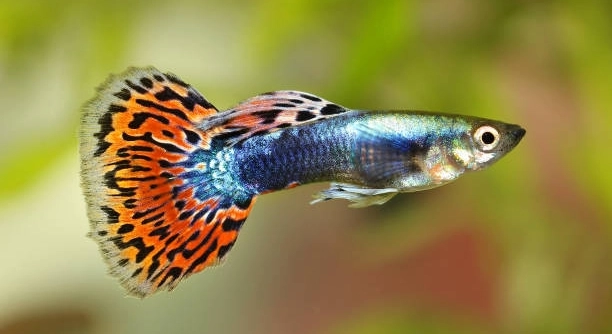
Guppies are often active swimmers, but sometimes they may stay in one spot for extended periods. This behavior can signal various underlying issues that need attention. Understanding the causes can help maintain their health and vitality.
Guppies staying in one spot can result from several factors, including stress, water quality, illness, or improper tank conditions. Addressing these concerns by ensuring proper filtration, temperature, and a balanced environment is essential for their well-being.
Understanding these causes will help you better care for your guppies, ensuring they stay healthy and active in their environment.
Stress and Overcrowding in the Tank
Guppies are sensitive to their environment, and stress can cause them to stay in one spot. Overcrowding in a tank is one of the primary stressors. When there are too many guppies, they may feel confined and anxious, leading them to retreat to a corner or stay still for long periods. This can also result in aggressive behavior, which further exacerbates their stress.
Stress can also arise from sudden changes in water temperature or light. Guppies prefer stable conditions. Fluctuations in the tank environment can make them uneasy, causing them to remain inactive. Providing them with a calm, well-maintained environment is crucial for reducing stress.
You can address overcrowding by ensuring proper stocking levels. Each guppy needs sufficient space to swim around comfortably. The general rule is one inch of fish per gallon of water. Also, maintaining a consistent temperature and light schedule will help prevent stress and keep them more active.
Poor Water Quality
Water quality plays a significant role in guppy health. Dirty or unfiltered water can lead to various issues, including lethargy. Guppies need clean water with proper levels of oxygen to thrive. If water conditions deteriorate, they may seek refuge in a corner or remain stationary.
Regular water changes, typically 25% every week, help maintain good water quality. It is essential to monitor the tank’s ammonia, nitrite, and nitrate levels. Excessive amounts of these substances can harm your guppies. Make sure the filtration system is working properly to keep the water clean and safe.
Improving water quality is one of the most effective ways to restore your guppy’s energy. A well-maintained tank with good filtration, proper water temperature, and the right chemical balance will encourage guppies to swim around freely and stay active.
Illness and Injury
Guppies can become inactive if they are sick or injured. Common illnesses, such as fin rot or parasites, often cause them to remain in one spot. If they are injured, they may avoid swimming to protect themselves. Keeping an eye out for any visible signs of disease, like faded colors or lesions, can help identify the problem.
If you notice any abnormalities, isolate the affected fish immediately to prevent the spread of illness. Providing the proper medication and ensuring the water conditions are optimal will support their recovery. Injuries should be cleaned gently with aquarium salt to prevent infection. It’s essential to keep the tank stress-free to aid their healing process.
Regularly check your guppies for any signs of illness or injury. Early detection and prompt treatment can prevent a small issue from turning into a larger problem. Additionally, maintaining good water quality will reduce the chances of infections and injuries.
Temperature Fluctuations
Guppies are sensitive to sudden changes in water temperature. A sharp increase or decrease can make them feel uncomfortable, causing them to stay still. If the water temperature is too low, guppies may become lethargic, while higher temperatures can stress them out. Both extremes can lead to inactivity.
To prevent temperature fluctuations, it’s essential to invest in a reliable aquarium heater with a thermostat. Keeping the water temperature between 72°F and 82°F will ensure that your guppies stay active. It’s also important to monitor the tank’s temperature regularly to avoid sudden shifts.
In addition to the heater, consider placing the tank away from direct sunlight or air vents, as they can cause temperature changes. Stable water conditions promote health and reduce stress, making your guppies more likely to swim around and interact.
Inadequate Diet
An improper diet can cause guppies to stay still. If they are not getting the right nutrients, they may become lethargic. Guppies need a balanced diet with a variety of foods, such as flakes, pellets, and occasional live or frozen foods to keep them energized.
Ensure that your guppies are being fed high-quality fish food that contains all the necessary vitamins and minerals. Overfeeding or feeding them the wrong foods can lead to health problems and inactivity. It’s important to feed them small portions several times a day to keep them active and healthy.
A well-rounded diet helps guppies stay strong and active, encouraging natural swimming behavior. Be mindful of their feeding habits to avoid underfeeding or overfeeding, both of which can lead to stress or health issues.
Overly Bright Lighting
Guppies are sensitive to light, and prolonged exposure to bright lights can cause them stress. If the lighting in the tank is too intense, they may retreat to a corner or remain still for long periods. Finding the right balance in lighting is key to their well-being.
Set up the aquarium with a light cycle that mimics natural day and night. A period of 8-10 hours of light per day is sufficient. It’s also beneficial to include some shaded areas in the tank, where the guppies can take shelter if the light becomes too intense.
Moderate lighting can help regulate your guppies’ activity levels and stress. Try to keep the light intensity lower during the night to promote a natural sleep cycle. This will help ensure they are active during the day and rest well at night.
Poor Tank Conditions
The general condition of the tank plays a significant role in the behavior of guppies. Dirty gravel, old decorations, and unclean surfaces can create a stressful environment, which can lead to guppies staying in one spot. A cluttered tank without enough space to swim can also contribute to inactivity.
To improve the conditions of the tank, ensure that it’s properly cleaned and maintained regularly. Keep the substrate, decorations, and filters clean to prevent the buildup of harmful waste. By maintaining a well-kept environment, you will provide your guppies with the space and cleanliness they need to thrive.
Cleaning the tank regularly and rearranging decorations can also provide mental stimulation for your guppies, encouraging them to explore and move around more frequently.
FAQ
Why are my guppies staying at the top of the tank?
Guppies may stay at the top of the tank due to low oxygen levels or improper water conditions. Insufficient aeration or a dirty filter can reduce oxygen supply, making it difficult for your guppies to breathe. Ensure that your tank is well-oxygenated and that the water is clean and properly filtered. You can also add an air pump or a sponge filter to increase water movement and oxygen circulation.
How do I know if my guppies are stressed?
Stressed guppies may show signs like excessive hiding, lethargy, or swimming in circles. They might also display fading colors or clamped fins. Stress is often caused by overcrowding, sudden changes in water temperature, poor water quality, or aggressive tankmates. Identifying the cause and addressing it promptly can help restore their well-being.
Can water temperature fluctuations affect guppy behavior?
Yes, temperature fluctuations can make guppies feel uncomfortable. If the water is too hot or too cold, guppies may become inactive or seek out areas of the tank that are more comfortable. To prevent this, maintain a consistent temperature between 72°F and 82°F using an aquarium heater and avoid placing the tank near direct sunlight or drafts.
How often should I clean the guppy tank?
Regular cleaning is essential for keeping your guppies healthy. Perform a 25% water change once a week and clean the tank’s substrate, decorations, and filter. You should also clean the tank’s glass regularly to prevent algae buildup. Over-cleaning, however, can disturb the tank’s ecosystem, so it’s important to maintain a balance.
Are my guppies sick if they stay in one spot?
Guppies staying in one spot can be a sign of illness, especially if they are not eating or are showing other symptoms, like faded colors, swollen bodies, or clamped fins. Common illnesses such as fin rot or parasites can cause lethargy and immobility. If you notice these symptoms, quarantine the affected guppy and treat the illness as needed. Be sure to also check the water quality and tank conditions to rule out environmental causes.
Can I use a heater to maintain a stable water temperature for my guppies?
Yes, using a heater is the best way to ensure a stable water temperature for your guppies. A good aquarium heater will maintain the temperature within the ideal range of 72°F to 82°F. It’s essential to choose a heater with a thermostat and a reliable temperature gauge to prevent overheating or cooling.
How much should I feed my guppies?
Overfeeding is a common problem in aquarium care. Guppies should be fed small portions once or twice a day. Only provide enough food that they can consume within 2-3 minutes. Uneaten food will decay in the water, contributing to poor water quality and potentially causing stress or illness.
What should I do if my guppy is injured?
If a guppy is injured, isolate it in a separate tank or quarantine area to prevent further stress or aggression from tankmates. You can treat minor injuries with aquarium salt, which helps reduce the risk of infection. Keep the water clean, monitor the injury for any signs of infection, and provide a stress-free environment for healing.
Can poor lighting affect my guppies?
Yes, poor lighting or overly bright lighting can cause stress in guppies. Guppies need a consistent light cycle, with 8 to 10 hours of light per day and a period of darkness at night. Bright lights can cause them to hide or stay inactive. Adjusting the light intensity or adding shaded areas can help them feel more comfortable.
Why are my guppies swimming in circles?
Swimming in circles can be a sign of stress, illness, or poor water quality. Guppies may exhibit this behavior if they are trying to escape discomfort, such as overcrowding or low oxygen levels. Check the tank’s water parameters and look for any signs of illness, such as faded colors or lesions. If the water quality is good and the behavior persists, consider quarantining affected guppies for further observation.
Can tank decorations cause my guppies to stay in one spot?
Tank decorations can influence guppy behavior. If your guppies are hiding behind or in decorations, it could be due to stress, aggression from tankmates, or an environment that feels unsafe. Ensure there is enough open swimming space and that decorations are not causing any blockages or sharp edges that could harm the guppies.
What are the signs of a healthy guppy?
Healthy guppies are active swimmers, have vibrant colors, and display clear, unclouded eyes. They should have smooth fins that are spread out, and their bodies should not appear bloated or sunken. Regular feeding, consistent swimming, and curiosity about their environment are also good indicators of a healthy guppy.
How can I prevent overcrowding in my guppy tank?
To prevent overcrowding, calculate the appropriate number of guppies for your tank’s size. A general rule is one inch of fish per gallon of water. If you are breeding guppies, make sure to separate males and females to control the population. Regularly monitor your tank’s fish load and consider upgrading to a larger tank if necessary.
How can I reduce aggression in my guppy tank?
Aggression among guppies can occur when they feel stressed or if there are too many males. To reduce aggression, maintain a balanced male-to-female ratio, ideally with more females than males. Additionally, providing plenty of hiding spots and plant cover can give the more timid guppies a place to retreat, reducing stress and potential aggression.
Final Thoughts
Guppies are generally active fish, but there are several reasons why they might stay in one spot. Whether it’s due to poor water conditions, inadequate diet, or stress from environmental factors, understanding the cause is crucial for their well-being. Regularly checking water quality, maintaining a proper feeding schedule, and ensuring the tank environment is clean can help promote healthy behavior. By identifying and addressing the underlying issues, your guppies can return to their usual active state.
It’s essential to remember that each fish is unique, and some may be more sensitive to certain conditions than others. Consistent monitoring of the tank’s temperature, lighting, and water conditions can make a significant difference. If you notice your guppies staying in one spot or displaying abnormal behavior, take time to evaluate their environment and make the necessary adjustments. Small changes, such as improving filtration or adjusting feeding habits, can lead to a more comfortable and healthy space for your fish.
In conclusion, understanding your guppies’ needs and behaviors is key to maintaining a thriving aquarium. By addressing common issues like water quality, diet, and tank conditions, you can ensure your guppies stay active and healthy. Regular maintenance and attention to detail will help keep your fish happy and provide a better living space for them. The health of your guppies depends on the effort you put into their environment, and small steps can lead to big improvements in their overall quality of life.

Hello,
If you enjoy the content that we create, please consider saying a "Thank You!" by leaving a tip.
Every little bit helps us continue crafting quality advice that supports the health, happiness, and well-being of pets around the world, for pets of all shapes, sizes, and species.
We really appreciate the kindness and support that you show us!