
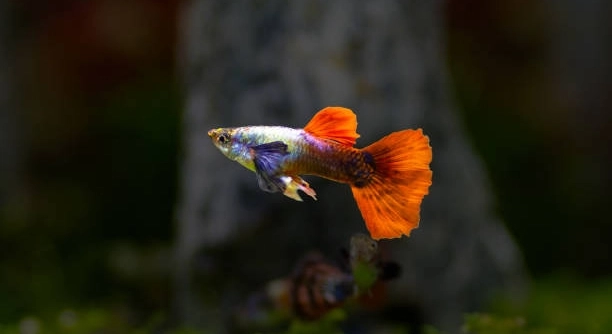
Are your guppies always hanging around the edges of your fish tank instead of swimming freely in the middle like usual?
Guppies tend to stay at the edges of the tank due to poor water quality, stress, temperature imbalances, overcrowding, aggressive tank mates, lack of oxygen, or sickness. Addressing these factors can restore healthy behavior.
Understanding these reasons can help you spot potential problems early and make simple changes to keep your guppies healthy and active.
Poor Water Quality
When guppies stick to the tank edges, it often means something is off with the water. Ammonia, nitrite, or nitrate levels might be too high. These substances build up from leftover food, waste, or an uncycled tank. Guppies are sensitive to poor conditions and may move to areas where they feel more comfortable or can access more oxygen. Clean, balanced water is key to keeping guppies active and healthy. Regular water changes and proper filtration help prevent chemical buildup. It’s also helpful to test your tank water once or twice a week. This keeps you aware of any changes that might stress your fish. Make sure the tank is cycled before adding fish, as an uncycled tank can quickly become toxic. Also, avoid overfeeding since excess food breaks down and affects water quality. Maintaining a stable, healthy environment helps prevent many common behavior changes in guppies.
Test your tank water with a reliable test kit at least weekly to stay ahead of any problems.
Adding live plants can also improve water quality naturally. They absorb waste, provide oxygen, and create hiding spaces that reduce stress. Combine this with good filtration and cleaning habits, and your guppies are more likely to stay active throughout the tank instead of sticking to the edges.
Low Oxygen Levels
Low oxygen levels in the water can cause guppies to hover at the surface or near the edges, especially where oxygen may be more available.
Lack of oxygen can happen in warm water, overstocked tanks, or tanks with poor circulation. Warmer water holds less oxygen, so even a few degrees above the ideal range can affect your guppies. If too many fish share the same tank or there’s not enough surface movement, oxygen levels drop. Guppies respond by moving to the edges where water movement might be greater. Use an air pump or adjust your filter to improve water flow. A good filter helps circulate oxygen throughout the tank, not just near the top. Plants that release oxygen during the day also help. Watch for signs like gasping at the surface or slow swimming. These signs can signal it’s time to act. Make small, gradual changes to avoid shocking your fish, and always check your water parameters before adjusting equipment.
Stress from Tank Mates
Aggressive or overly active tank mates can make guppies feel unsafe. When guppies feel threatened, they often retreat to the edges of the tank to avoid confrontation or to find a quieter space.
Some fish are naturally more territorial and may nip at guppies or chase them around the tank. Even if the aggressive behavior isn’t constant, it can still cause ongoing stress. Stress weakens a guppy’s immune system and affects its behavior. If you notice one or more guppies hiding often or moving less, watch for chasing or fin-nipping. It’s helpful to rearrange tank decor, which can break up territories. Adding more plants or hiding spots also helps reduce tension. If nothing changes, consider moving the aggressive fish to a separate tank. Compatibility matters, and not all community fish do well with peaceful species like guppies.
Guppies also need personal space. Overcrowding increases competition for food and swimming space, which can raise stress levels. If you’ve added new fish recently, your guppies may still be adjusting. Observe interactions closely over a few days. You can often spot the source of stress just by watching who’s chasing who. When guppies feel calm and safe, they’re more likely to explore the full tank rather than stick to the edges.
Inadequate Tank Setup
A bare or poorly arranged tank can lead guppies to linger around the edges. Guppies enjoy swimming through plants and hiding when they feel the need. Without structure in the tank, they might not feel secure enough to move freely.
Try adding live or artificial plants, rocks, or decorations to create a more interesting layout. Guppies use these spaces to rest or hide, especially if they feel stressed or exposed. A tank with hiding spots makes fish feel safer and encourages them to use the whole space. Also, make sure your tank isn’t too small. A cramped tank not only limits movement but also increases waste buildup. Guppies thrive in tanks of at least 10 gallons, preferably larger if you have more than a few. Lighting also matters. Bright lights with no shaded areas can make guppies retreat to tank corners. Use floating plants or décor to break up lighting and create gentle areas of cover.
Sudden Changes in Environment
Guppies react strongly to sudden changes in their environment. A quick shift in temperature, pH, or lighting can make them feel unsafe, causing them to stay near the edges where they might feel more secure. Stability is important for their comfort and overall behavior.
Even small things like a large water change or new decor can stress them out temporarily. Always make adjustments slowly and give guppies time to adapt. Use a thermometer and test kit regularly to keep the tank environment steady and predictable for them.
Illness or Weakness
Guppies that feel unwell often isolate themselves by staying near the edges or bottom of the tank. This behavior helps them conserve energy and avoid stress from other fish. Look for signs like clamped fins, discoloration, or labored breathing. These can point to infections, parasites, or internal problems. Quarantine any sick fish early to prevent spreading disease. Providing clean water, reducing stress, and offering high-quality food helps with recovery. If symptoms continue, consider using aquarium-safe medication recommended for the specific condition. A healthy guppy usually swims freely and shows interest in food, so noticeable changes are worth attention.
Overcrowding
Too many fish in one tank causes stress, competition, and poor water conditions. This leads guppies to stay at the edges where it’s less busy and overwhelming.
FAQ
Why are my guppies staying at the surface of the tank?
Guppies may hover at the surface due to low oxygen levels or higher water temperatures. Warm water holds less oxygen, so the fish may stay near the top where oxygen is more accessible. Poor water circulation or overstocking can also contribute to low oxygen. Installing an air pump or adjusting the filter can improve water flow and oxygen levels. Ensure your tank is not too warm and that your filtration system is strong enough to handle the bioload.
What causes guppies to swim only at the edges?
When guppies stick to the edges of the tank, it’s often a sign of stress, poor water quality, or lack of oxygen. They may be trying to escape from aggressive tank mates or seek shelter. The edges often offer more security or access to more oxygen. Check water parameters and ensure the tank is not overcrowded. Also, provide hiding spots to help reduce their anxiety.
Can guppies die from staying at the tank edges too long?
While staying at the edges itself won’t directly cause death, it may be an indicator of a larger issue, like poor water quality, stress, or illness. If the root cause is not addressed, it can lead to weakened immune systems, making guppies more susceptible to disease. A prolonged period of stress can result in long-term health problems or even death, so it’s important to fix any issues quickly.
How can I help my guppies feel less stressed?
Stress can be caused by many factors, including water quality, temperature fluctuations, aggressive tank mates, overcrowding, or even too much light. To reduce stress, ensure your tank is properly filtered, water is clean, and temperature is stable. Avoid overstocking and create hiding spots with plants or decorations. Also, maintain a peaceful environment with compatible fish.
Do guppies need hiding places in their tank?
Yes, guppies benefit from having hiding places in their tank. They are naturally cautious and may seek refuge when they feel threatened or stressed. Adding plants, rocks, or other decorations can provide them with places to retreat. This also allows them to swim more comfortably throughout the tank, rather than feeling exposed or cornered.
What is the best water temperature for guppies?
Guppies thrive in water temperatures between 74°F and 82°F (23°C to 28°C). If the water is too cold, their metabolism slows down, and they may become sluggish. If it’s too hot, oxygen levels can drop, and they may become stressed. Maintaining a stable temperature within this range helps keep guppies active and healthy.
How often should I change the water in my guppy tank?
Water changes should be done regularly to maintain good water quality. Aim for a 25-30% water change every week or bi-weekly, depending on the tank size and the number of fish. This helps remove waste, excess nutrients, and harmful chemicals from the water. Be sure to use a water conditioner to remove chlorine or chloramine before adding fresh water.
What is the ideal tank size for guppies?
A tank of at least 10 gallons is ideal for guppies. Smaller tanks can quickly become overcrowded, which can lead to poor water quality and increased stress. The more space they have, the less stressed they will feel, and they will be more likely to swim freely instead of sticking to the edges. For multiple guppies, consider a larger tank to accommodate their activity levels.
Can guppies live with other fish?
Guppies are peaceful fish and can live with many other species, as long as those fish are not aggressive. They do well in community tanks with other small, non-aggressive fish. However, be cautious with fish that may nip at their fins or compete for food. It’s always best to research the compatibility of species before introducing new tank mates.
Why are my guppies not eating?
If your guppies are not eating, it could be due to stress, illness, or poor water conditions. Check the water parameters to ensure they are within the appropriate range. Stress from tank mates or overcrowding can also cause them to lose their appetite. If they are still not eating, consider isolating them to observe for signs of illness, and offer them different types of food to see if they prefer one.
Can water temperature affect guppy behavior?
Yes, water temperature can significantly impact guppy behavior. If the water is too cold, guppies will become lethargic and may not swim around as much. On the other hand, water that is too warm can lead to decreased oxygen levels, causing guppies to seek out the tank edges or the surface. A stable temperature between 74°F and 82°F is ideal for keeping guppies active and healthy.
When you notice your guppies staying at the edges of the tank, it’s usually a sign that something is wrong. It could be poor water quality, low oxygen levels, or stress from aggressive tank mates. In most cases, the problem can be fixed by making small adjustments to the environment. Regular water changes, proper filtration, and maintaining a stable temperature are essential steps in creating a healthy tank. These changes can help ensure your guppies feel comfortable and reduce their need to stick to the tank edges.
Sometimes, the behavior might also be related to overcrowding or lack of hiding spots. Guppies are peaceful creatures that need enough space to swim freely and avoid feeling threatened. Adding plants or decorations can make them feel more secure and help reduce stress. If aggression from other fish is an issue, it’s important to reassess the tank’s compatibility and separate any fish that might be causing harm. Giving your guppies space to swim and hiding places to retreat can encourage them to explore the entire tank.
Overall, understanding the factors that contribute to your guppies’ behavior is key to creating a healthy, thriving environment for them. By monitoring water quality, ensuring proper tank conditions, and paying attention to any signs of illness or stress, you can address the issues that cause your guppies to hang at the edges. Making these simple adjustments will help your guppies feel more comfortable and improve their overall well-being. Taking the time to care for your guppies properly will not only improve their behavior but also keep them healthy and happy in the long run.

Hello,
If you enjoy the content that we create, please consider saying a "Thank You!" by leaving a tip.
Every little bit helps us continue crafting quality advice that supports the health, happiness, and well-being of pets around the world, for pets of all shapes, sizes, and species.
We really appreciate the kindness and support that you show us!