
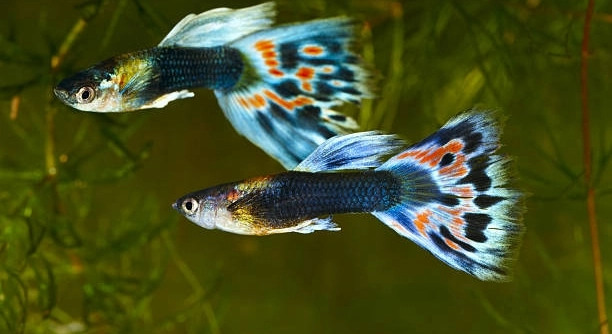
Are your guppies hiding every time you turn on the lights in their tank, leaving you confused about their sudden change in behavior?
Guppies may shy away from light due to stress, illness, poor water conditions, inadequate tank setup, bright lighting, sudden environmental changes, or natural instincts. Identifying the underlying cause is essential to restoring their comfort and well-being.
Understanding these common causes can help you create a safer and more stable environment for your guppies to thrive.
1. Bright or Sudden Lighting Changes
Guppies are sensitive to lighting, especially when the tank is exposed to sudden or intense brightness. Strong lighting can overwhelm them and cause them to seek darker areas for comfort. Inconsistent lighting schedules can also confuse their natural behavior, disrupting their rest and activity cycles. If the light source is too direct or harsh, it might stress them out. Guppies tend to feel safer when the lighting is dim or soft, mimicking their natural habitat. To help them adjust, use a gradual lighting transition with a timer, or introduce floating plants to reduce direct exposure and create shaded zones.
Avoid turning lights on abruptly, especially in dark rooms, as it can startle your guppies and trigger hiding.
Stick to a consistent light cycle of about 8–10 hours per day. Adding more plants or decorations can also help create safe hiding spots while easing light sensitivity.
2. Stress From Environmental Changes
Guppies respond quickly to stress, and changes in their environment often affect their behavior. Moving their tank, switching their position near windows, or even loud noises nearby can unsettle them. These changes may seem minor to us, but guppies perceive them as threats. Stress can make them less active and more inclined to hide, especially when the tank lighting makes them feel exposed. Poor water quality is another common reason behind stress, with high ammonia or fluctuating pH levels being especially harmful. Maintaining a stable and clean setup, avoiding frequent rearrangements, and minimizing sudden shifts in surroundings helps reduce their stress levels.
Take note of any recent changes around the tank before assuming something is wrong with the fish themselves.
A quiet area with low foot traffic and indirect natural light is ideal. Keep water conditions stable by performing regular partial water changes, testing the parameters weekly, and ensuring the filtration system is working effectively. If possible, avoid placing the tank near windows or electronics that emit strong light or noise. Additionally, refrain from overfeeding or overcrowding, as both factors can also increase anxiety. A calm, familiar environment is key to making your guppies feel secure.
3. Illness or Parasites
Sick guppies tend to avoid bright areas because light can increase their discomfort. When unwell, they often stay near the bottom or hide in corners. Lethargy and loss of appetite usually accompany this behavior and shouldn’t be ignored.
Common illnesses like fin rot, ich, or internal parasites can make guppies sluggish and sensitive to light. If you notice any spots, frayed fins, or unusual swimming patterns, it may be a sign something is wrong. Use a quarantine tank if you suspect illness, and treat with appropriate medication after confirming the issue. Maintaining clean water and avoiding stressors are key to preventing disease. Healthy fish are usually active and curious, not hiding from light or staying motionless for long.
Even minor symptoms can quickly escalate in small fish like guppies. Observe them closely for any behavioral changes, especially if hiding becomes more frequent. Acting early increases the chances of a full recovery and prevents others from getting sick. Look out for any clamped fins, pale colors, or rubbing against objects—these are early signs of discomfort or infection. Always test the water if something seems off and make adjustments quickly to reduce further stress on the fish.
4. Inadequate Hiding Spaces
Guppies need shaded areas and hiding spots to feel safe. Without enough plants, caves, or ornaments, they can feel exposed and overwhelmed by the light, leading them to hide behind equipment or stay in darker corners of the tank.
A well-decorated tank gives guppies both stimulation and a sense of security. Floating plants like duckweed or hornwort help reduce the intensity of light, while tall plants and driftwood can block harsh rays. Guppies are less likely to avoid light when they have proper cover to retreat to when needed. The more secure they feel, the more freely they swim throughout the tank. It’s important to balance open swimming space with shaded or covered areas so they can regulate their exposure as needed. Avoid overly bare tanks, especially for small or young guppies that are more sensitive.
Having enough places to hide is not just about comfort—it helps reduce aggression and prevents territorial disputes. If guppies feel crowded or chased, they will use plants and decorations to escape or rest. Make sure there’s a mix of high and low cover, with some natural materials for extra safety. This allows each guppy to claim a space and feel less threatened. Adjust layout as needed to observe how they respond.
5. Aggressive Tank Mates
If your guppies are being chased or bullied by other fish, they may start hiding to avoid confrontation. Bright lighting can make them feel more exposed, so they retreat to darker areas for protection and relief.
Tank mates like barbs or larger fish can cause constant stress. Even subtle fin-nipping or chasing can make guppies withdraw, especially in brightly lit tanks. Rearranging the layout and separating aggressive fish can help calm things down.
6. Natural Behavior During Rest
Guppies rest during certain times of the day, usually when the lights first turn on or after long periods of activity. This resting behavior can make them appear sluggish or withdrawn. If they’re hiding briefly after the lights come on, it may simply be part of their routine.
7. Overexposure to Light
Too much light exposure throughout the day can cause guppies to become overstimulated or stressed. Tanks placed near windows or left lit for too long often lead to this behavior.
Use a timer to maintain a stable light schedule. Limit lighting to 8–10 hours per day, and avoid direct sunlight.
FAQ
Why do my guppies stay at the bottom of the tank?
Guppies often rest at the bottom of the tank when they feel stressed or unwell. If they’re constantly at the bottom and avoiding light, it could be a sign of illness, poor water conditions, or an uncomfortable tank environment. First, check the water quality. High levels of ammonia or nitrites can cause guppies to become lethargic. Also, ensure the water temperature is stable, as rapid changes can also make them retreat to the bottom. If they continue to stay there, consider isolating the affected fish in a quarantine tank for further observation and treatment.
How do I know if my guppies are stressed?
Signs of stress in guppies include erratic swimming, hiding frequently, clamped fins, loss of appetite, or rubbing against tank decorations. If your guppies seem unusually skittish or aggressive, the environment might be the issue. Stress often results from overcrowding, poor water quality, sudden changes in the tank, or aggressive tank mates. It’s essential to address these factors and ensure your guppies have a calm and stable environment to thrive in.
Can guppies adjust to different lighting conditions?
Guppies can adapt to different lighting, but it must be done gradually. If you suddenly change the lighting or have bright, direct lights, they might become stressed and hide. A slow transition to new lighting, with softer or dimmer options, will give your guppies time to adjust. Providing shaded areas in the tank using plants or decorations can also help them feel more comfortable. Keep in mind that guppies are sensitive to light, so consistency is key to preventing light-related stress.
What’s the best way to light my guppy tank?
The best way to light your guppy tank is by using a gentle, consistent light cycle. Guppies do well with 8 to 10 hours of light each day. You can use an aquarium light with adjustable brightness to avoid excessive lighting. A timer can help maintain a regular light schedule, which is important for their health. Too much light can lead to stress or algae growth, while too little light can affect their activity levels. Make sure to balance the light and dark periods to mimic natural conditions.
How do I improve water quality for my guppies?
Water quality is vital for guppy health. Regular water changes are necessary to maintain healthy water conditions, aiming for about 25% to 30% of the tank volume every two weeks. Use a reliable filtration system and regularly test the water for ammonia, nitrite, nitrate, and pH levels. Ammonia and nitrites should be at 0 ppm, while nitrates should stay under 20 ppm. Ensure the tank is cycled correctly to maintain stable water conditions. Additionally, avoid overfeeding, as leftover food can pollute the water quickly.
What kind of tank mates are best for guppies?
Guppies do best with peaceful tank mates that are not overly aggressive. Other small, non-aggressive fish like tetras, mollies, and corydoras catfish can cohabit well with guppies. It’s important to avoid tank mates that might nip at guppies’ fins, such as fin-nipping species like barbs. Guppies are social fish, so keeping them in groups is also beneficial. Always research potential tank mates to ensure they share similar water requirements and behavioral traits.
How can I tell if my guppies are pregnant?
Pregnant female guppies will have a noticeable dark spot near their abdomen, known as the gravid spot. As the pregnancy progresses, this spot becomes darker and more pronounced. You may also notice the female becoming rounder and fuller as the embryos develop. Female guppies can give birth to live fry, and it’s essential to separate them from other fish if you want to ensure the survival of the babies. Provide hiding spots and plenty of plants for the fry to stay safe once born.
Why are my guppies constantly swimming in circles?
If your guppies are swimming in circles, they might be stressed, bored, or dealing with poor water conditions. Swim patterns can become erratic when they are not comfortable, often triggered by overcrowding, dirty water, or inadequate tank decorations. Make sure the tank has enough swimming space and that the water is clean. Add plants or decorations for enrichment, and monitor the behavior closely. In some cases, parasites or disease could be the cause, so it’s important to observe any other signs of illness. If the behavior continues, consider adjusting the tank setup or seeking a veterinarian’s advice.
Can I keep male and female guppies together?
Yes, male and female guppies can live together, but you should be prepared for breeding. Male guppies are often more active, chasing after the females to mate. If you do not want to breed them, you can either keep only males or separate the genders. A 2:1 ratio of females to males is generally recommended if you plan to keep both sexes together, as this gives females a break from the constant attention of the males. Also, ensure the tank is spacious and has enough hiding spots for the females to reduce stress.
What should I feed my guppies?
Guppies are omnivores and will thrive on a varied diet. Offer a mix of high-quality flake food, live or frozen food like daphnia, brine shrimp, and bloodworms, and occasional vegetables like peas or spinach. Make sure to provide small amounts of food that they can consume within a few minutes to avoid overfeeding and water pollution. Guppies can also benefit from spirulina-based supplements for added nutrients. A varied diet ensures they get all the essential nutrients for healthy growth and vibrant coloration. Always avoid overfeeding, as this can lead to water quality issues.
Why are my guppies swimming upside down?
Swimming upside down is a common sign of swim bladder issues. This can be caused by overfeeding, constipation, or poor water quality. If your guppies are showing this behavior, check the water parameters and make sure the tank is clean. If overfeeding is suspected, reduce the amount of food provided and give your guppy a chance to recover. For constipation, try offering peas or fasting them for a couple of days to help clear the digestive system. If the condition persists, it could be a sign of a more serious illness, and you should consider isolating the affected fish for further observation and treatment.
Final Thoughts
Understanding why your guppies shy away from light involves considering several factors related to their environment and well-being. Guppies are sensitive creatures, and changes in light intensity, water quality, or tank mates can all contribute to their behavior. Light plays a significant role in their daily activities, so ensuring a stable light schedule is important for keeping them comfortable and healthy. Additionally, addressing any water quality issues and providing a safe, non-aggressive tank environment can help your guppies feel more at ease.
The lighting setup you choose can make a big difference in how your guppies behave. While bright light may cause them to retreat, softer and more consistent lighting will help them feel more secure. Using timers to control the duration of light exposure can mimic natural conditions, offering a balance of light and dark that supports their well-being. The addition of plants and decorations also helps provide shaded areas where guppies can feel safe, especially if they are sensitive to bright lighting.
Ultimately, creating the right environment for your guppies involves a combination of proper lighting, water quality, and suitable tank mates. By addressing each of these factors, you can help your guppies stay active, healthy, and less likely to shy away from light. Regularly checking water conditions, ensuring the tank is well-maintained, and observing their behavior for signs of stress will help you maintain a thriving aquarium. Taking these steps can improve your guppies’ comfort and reduce any stress caused by environmental factors.

Hello,
If you enjoy the content that we create, please consider saying a "Thank You!" by leaving a tip.
Every little bit helps us continue crafting quality advice that supports the health, happiness, and well-being of pets around the world, for pets of all shapes, sizes, and species.
We really appreciate the kindness and support that you show us!