
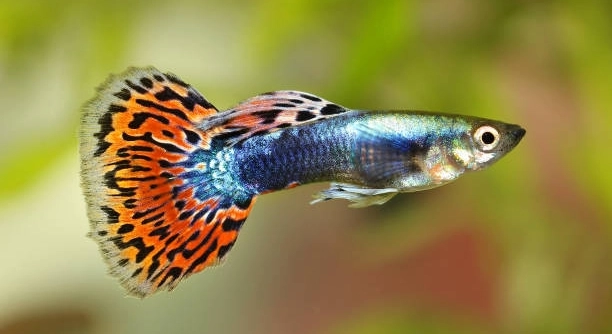
Guppies are known for their playful and active nature, making them a popular choice for fish tanks. However, sometimes they can exhibit strange behavior that leaves owners concerned. Understanding the reasons behind these actions is essential.
Guppies may show unusual behavior due to various factors such as stress, poor water quality, or an improper diet. Disease, aggressive tank mates, or environmental changes can also trigger abnormal behavior in these fish.
By identifying the underlying causes, you can provide the best care for your guppies and restore their health.
Stress from Overcrowding
If your tank is too small or has too many fish, it could be overwhelming your guppies. Guppies need plenty of space to swim around and feel safe. When there’s not enough room, they can become stressed, which often leads to strange or erratic behavior like hiding or swimming aimlessly. It can also make them more vulnerable to diseases.
Guppies thrive in a tank that offers enough swimming space. The general rule is to have one gallon of water for every inch of fish. If your tank is overcrowded, try reducing the number of fish or upgrading to a larger tank.
Besides space, overcrowding can also affect water quality. More fish means more waste, which can lead to higher levels of ammonia and nitrites, both harmful to your guppies. To keep them happy and healthy, make sure your tank size is appropriate, and regularly test the water for any imbalances. If you notice strange behavior, try rearranging the tank or investing in a better filtration system.
Poor Water Quality
Dirty or unbalanced water can cause stress and health problems for your guppies.
Regularly check the temperature, pH, and chemical levels in your tank to ensure everything is within the ideal range. Clean the tank often and change the water regularly to maintain the best environment for your fish.
Illness or Disease
Guppies are susceptible to various diseases that can cause abnormal behavior. When they’re feeling unwell, they may swim erratically or hide more often.
Look for other signs such as pale coloration, clamped fins, or lesions on their bodies. These are clear indicators of illness. If you notice anything unusual, consider quarantining the affected guppy and consult a veterinarian or experienced fish keeper for proper diagnosis and treatment.
Common illnesses include ich, fin rot, and swim bladder disease. Make sure to quarantine sick fish to prevent the spread of any potential infection. Additionally, maintaining good water quality and a proper diet can help keep your guppies healthy and resistant to disease. Regularly monitor their behavior and appearance to catch problems early.
Aggression from Tank Mates
Not all fish get along, and sometimes your guppies may face aggression from other species in the tank.
Aggressive fish can bully guppies by chasing them, nipping at their fins, or outcompeting them for food. This kind of stress can result in abnormal behavior, such as hiding or becoming less active. If this happens, it may be necessary to either separate the aggressive fish or add more hiding spots for your guppies to retreat.
Adding more plants, rocks, or other decorations in the tank can help reduce aggression by providing guppies with places to hide. If aggression is severe, consider moving the aggressive fish to a different tank. It’s important to research the compatibility of different species before introducing them to avoid future conflicts.
Improper Diet
An imbalanced diet can lead to unhealthy behavior in guppies. If they are not getting the right nutrients, they may become lethargic or show erratic movements.
Feed your guppies a variety of high-quality flakes, pellets, and occasional live food to meet their nutritional needs. Poor nutrition can affect their overall health and activity levels, so it’s important to offer a well-rounded diet.
Make sure you’re not overfeeding or underfeeding, as both can cause issues. Excess food left in the tank can pollute the water, while insufficient food can cause stress and poor health. Regularly check how much food your guppies are consuming and adjust accordingly.
Water Temperature
Guppies are sensitive to temperature changes, and water that is too cold or too warm can stress them out.
Make sure your tank stays between 72°F and 82°F (22°C to 28°C). If the temperature fluctuates too much, it can cause abnormal behavior like rapid swimming or lethargy. Consider using a heater to keep the temperature stable.
Environmental Changes
Guppies can be sensitive to changes in their environment, such as new decorations or rearranged tank furniture.
If you’ve recently changed something in the tank, give your guppies time to adjust. Frequent changes can stress them out and cause unusual behavior. Try to limit sudden modifications and ensure their environment remains familiar.
FAQ
Why are my guppies swimming erratically?
Erratic swimming is often a sign of stress or discomfort in guppies. Factors like poor water quality, improper temperature, or aggression from tank mates can cause them to swim unusually. Guppies may also swim in circles or rapidly if they’re suffering from a disease, such as swim bladder disorder. Check the water parameters, including pH, ammonia, and nitrite levels, and ensure the temperature is within the recommended range. If there are signs of illness, it’s best to isolate the affected fish and treat them accordingly.
Are my guppies stressed because they are too crowded?
Yes, overcrowding can lead to stress in guppies. When there are too many fish in a small tank, it reduces the amount of space each fish has to swim freely. This can lead to aggression, fin nipping, and abnormal behavior. It’s essential to make sure your tank has enough room for all your fish. A good guideline is to have 1 inch of fish per gallon of water. Overcrowding also leads to poor water quality, which further stresses your guppies. Reducing the number of fish or upgrading to a larger tank can help relieve the pressure.
How do I know if my guppy has a disease?
If your guppy is sick, it may exhibit signs such as fading colors, clamped fins, loss of appetite, or swelling. Affected fish may also have visible lesions, sores, or fin rot. If a guppy is struggling to swim or staying at the bottom of the tank, it could indicate a more serious issue. Common illnesses in guppies include ich, fin rot, and dropsy. It’s essential to quarantine sick fish and monitor them for other symptoms. You should also check water parameters, as poor water quality can contribute to or exacerbate diseases.
What can I do to prevent my guppies from getting sick?
Maintaining optimal water conditions is key to preventing illness. Test your tank’s water regularly to ensure it’s within the ideal range for temperature, pH, ammonia, and nitrites. A clean tank, with regular water changes, also helps prevent harmful bacteria or parasites. Offering a varied and nutritious diet to your guppies is equally important. Healthy guppies are more resistant to diseases, so make sure they’re getting a well-balanced diet of high-quality flakes, pellets, and occasional live foods. Lastly, quarantining new fish before introducing them to the tank reduces the risk of introducing diseases.
Can guppies live with other types of fish?
Yes, guppies are generally peaceful fish and can live with other species as long as their tank mates are non-aggressive. However, you should avoid placing them with overly aggressive or larger fish, which may harass or eat them. Ideal tank mates for guppies include other small, peaceful fish like tetras, mollies, or Corydoras catfish. Always research the compatibility of species before adding them to your tank to ensure a peaceful environment. Also, make sure the tank size is large enough to accommodate all the fish comfortably.
What is the ideal water temperature for guppies?
Guppies thrive in temperatures between 72°F and 82°F (22°C to 28°C). If the water is too cold, guppies may become sluggish and more susceptible to illness. If it’s too warm, they can become stressed and might show signs of erratic behavior or overheating. A reliable aquarium heater helps keep the temperature stable, which is crucial for maintaining their health and normal behavior. Regularly check the water temperature with a thermometer, especially if the room temperature fluctuates.
How can I reduce aggression in my guppy tank?
Aggression can occur if there isn’t enough space or hiding spots in the tank. To reduce aggression, try adding more decorations, plants, and hiding spots, so your guppies and other fish can have areas to retreat. If aggression continues, you may need to separate the aggressive fish or provide more fish to spread out the aggression. Also, ensure that the tank isn’t overcrowded. Providing plenty of swimming space and ensuring tank mates are compatible can help maintain a peaceful environment. Consider adding more female guppies if male guppies are chasing each other too much.
Why are my guppies hiding all the time?
If your guppies are hiding frequently, it could be a sign of stress, poor water quality, or illness. Guppies may seek shelter if they feel unsafe, and they may do this more if they are in a tank with aggressive or dominant fish. Alternatively, sudden changes to the environment or tank setup can cause them to feel insecure. Check the water parameters and the temperature to ensure they are in the correct range. If the tank is overcrowded, consider reducing the number of fish to help ease stress.
Can I feed my guppies vegetables?
Yes, guppies can eat vegetables in moderation. Offering small pieces of blanched vegetables, such as spinach, zucchini, or peas, can be a great addition to their diet. Vegetables provide essential vitamins and fiber, which can help with digestion. However, vegetables should be given alongside other foods, like high-quality flakes or pellets, to maintain a balanced diet. Always remove uneaten vegetables from the tank after a few hours to prevent water contamination. Make sure to introduce new foods gradually and observe how your guppies respond to them.
How often should I feed my guppies?
Guppies should be fed small amounts of food two to three times a day. Overfeeding can lead to water contamination and health problems, while underfeeding can cause stress and malnutrition. Only feed as much as your guppies can eat within 2 to 3 minutes, and remove any uneaten food afterward to keep the water clean. If you’re feeding them live food, such as brine shrimp or daphnia, it’s important to ensure the food is fresh and not contaminated. Feeding them a variety of foods will help keep them healthy and active.
Final Thoughts
Understanding the reasons behind your guppies’ strange behavior is essential for their well-being. Whether it’s stress from overcrowding, poor water quality, illness, or aggression from tank mates, identifying the cause early on can make a big difference. Once you understand what might be troubling them, you can take steps to address the issue, ensuring a healthier and more comfortable environment for your fish. Regular water tests, proper feeding, and the right tank setup go a long way in preventing stress and disease.
Taking care of guppies involves a lot of attention to detail, but with the right care, they can live happy and active lives. A stable environment with good water quality, the right temperature, and sufficient space is key. Make sure you keep an eye on their behavior and appearance regularly to catch any issues before they become serious. The more you understand their needs, the easier it will be to spot when something’s off, and the quicker you can correct it. Healthy guppies are active and vibrant, so if your fish are showing unusual behavior, it’s worth investigating the cause.
In the end, maintaining a peaceful and stable environment is the best way to prevent strange behavior in your guppies. By ensuring that your tank is not overcrowded, the water is clean, and the temperature is appropriate, you can greatly reduce the chances of stress or illness. If you’re ever unsure, don’t hesitate to seek advice from experienced fish keepers or professionals. With a little attention and care, your guppies will return to their playful, vibrant selves in no time.

Hello,
If you enjoy the content that we create, please consider saying a "Thank You!" by leaving a tip.
Every little bit helps us continue crafting quality advice that supports the health, happiness, and well-being of pets around the world, for pets of all shapes, sizes, and species.
We really appreciate the kindness and support that you show us!