
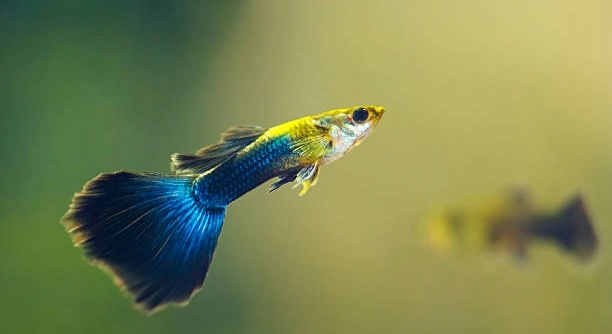
Guppies are popular pets for their vibrant colors and playful behavior. However, sometimes they may shake their heads, which can be puzzling for their owners. This behavior can indicate several underlying issues that should be addressed.
Head shaking in guppies can be caused by factors such as poor water quality, parasites, or stress. Identifying the root cause is crucial for ensuring your guppies’ well-being and maintaining a healthy environment.
By understanding these causes, you can quickly address the issue and help your guppies feel comfortable again. Knowing how to prevent future occurrences will keep your fish happy and thriving.
Poor Water Quality
When your guppies shake their heads, one of the most common reasons is poor water quality. If the water is too dirty or the pH level is off, it can irritate your guppies. Guppies thrive in clean water with proper filtration, temperature, and pH balance. If these factors are not maintained, your guppies might start showing signs of stress, including shaking their heads.
It’s essential to test your water regularly to ensure it’s within the ideal range for guppies. Ammonia, nitrites, and nitrates should be at safe levels, and the temperature should stay between 72°F to 82°F. Make sure your filtration system is working efficiently and that the water is changed frequently to avoid toxins building up.
Poor water conditions can also weaken your guppy’s immune system, making them more susceptible to other health problems. Keeping the tank clean and testing the water frequently can help prevent these issues from happening. Addressing water quality will make a big difference in keeping your guppies healthy and happy.
Parasites and Infections
Head shaking can also be caused by parasites and infections. Guppies are prone to a variety of diseases, including ich, fin rot, and gill parasites. These infections can irritate their skin and gills, causing them to shake their heads.
If you notice other signs like white spots, discolored fins, or difficulty breathing, it’s important to quarantine your guppies immediately. Infections can spread quickly in a tank, so isolating affected fish is the best course of action. You may also need to treat the tank with medication.
Parasites can cause serious damage to your guppies if left untreated. It’s always a good idea to act fast when you notice unusual behavior, as prompt treatment can prevent the spread of disease and save your fish from further harm.
Stress and Anxiety
Stress is another common reason why your guppies might be shaking their heads. When guppies feel anxious or threatened, they can exhibit unusual behavior, including head shaking. This can be triggered by sudden changes in the environment, aggressive tank mates, or overcrowding.
Overcrowding can make the fish feel stressed due to lack of space, which results in aggression and discomfort. If your guppy is constantly shaken, try rearranging the tank or adding more hiding spots. Stress can also be caused by sudden temperature changes or strong water currents. Make sure your guppies have a peaceful and stable environment to thrive in.
Adding plants and decorations in the tank can provide your guppies with places to hide, making them feel more secure. If they are kept in a calm and safe setting, their stress levels should decrease, and their head shaking will likely stop.
Swim Bladder Disorder
Swim bladder disorder is another potential cause of head shaking. This condition affects the fish’s ability to maintain buoyancy and can lead to a variety of unusual behaviors. Guppies with swim bladder disorder may have trouble swimming upright or may shake their heads as they try to adjust their position.
Swim bladder issues can be caused by overfeeding, constipation, or infections. If you suspect swim bladder disorder, check your guppy’s diet and remove uneaten food promptly. Feeding your guppy a varied and controlled diet can help prevent this condition. If the issue is caused by constipation, fasting your guppy for a few days can help.
If you notice the swim bladder problem persists, it’s important to separate the affected fish from the others. There are treatments available, but the key is to identify the condition early and address it promptly to avoid long-term damage.
Poor Nutrition
Lack of proper nutrition can also cause your guppy to shake its head. If your fish isn’t getting the right balance of nutrients, it may develop health issues that lead to abnormal behavior. A poor diet can result in weak immune systems and physical stress.
Feeding your guppies a varied diet is essential for their overall health. This includes high-quality fish flakes, frozen or live foods like brine shrimp, and occasional greens. A nutrient-rich diet supports their immune system, ensuring that they are more resilient to disease and stress.
A malnourished guppy is more prone to infections, making it more likely to exhibit behaviors like head shaking. Regularly feeding your guppies a balanced diet helps maintain their health and keeps them from developing any diet-related issues.
Water Temperature
Water temperature plays a key role in the health of your guppies. If the water is too cold or too warm, it can cause stress, leading to shaking or erratic behavior. Guppies thrive in water that is consistently between 72°F and 82°F.
If your tank temperature fluctuates too much, it can disrupt your guppy’s normal behavior. A stable and appropriate water temperature keeps your guppies comfortable and reduces stress. Investing in a reliable aquarium heater and thermometer can help regulate the water temperature, ensuring your fish stay happy and healthy.
Aggressive Tank Mates
Sometimes, head shaking is a response to aggression from other fish in the tank. If your guppy is being bullied, it may shake its head as a sign of distress or to try and escape from the aggressor. This can happen when there are incompatible species sharing the same space.
To prevent this, make sure your guppies are housed with peaceful, non-aggressive fish. If you notice any signs of bullying, separate the fish causing the stress. Giving your guppies more space to swim and hide can also reduce aggression.
FAQ
Why are my guppies shaking their heads?
Head shaking in guppies is often a sign of distress. It could be caused by poor water quality, stress, parasites, or other health issues. Common reasons include bad water conditions, infections, swim bladder disorder, or aggressive tank mates. Ensuring your guppy’s environment is clean, stable, and safe will help reduce head shaking. Keep an eye on their behavior and other symptoms to identify the root cause.
How can I fix poor water quality in my guppy tank?
To fix poor water quality, start by testing the water for ammonia, nitrites, nitrates, and pH levels. Regular water changes, at least 25% weekly, can help keep the tank clean. Make sure your filtration system is working properly and clean it regularly. Additionally, avoid overfeeding, as excess food can degrade water quality. Maintaining the right temperature and water parameters will ensure your guppies remain healthy.
Can parasites cause my guppy to shake its head?
Yes, parasites are one of the common causes of head shaking. Certain parasites affect the skin, gills, or internal organs of guppies, causing irritation and discomfort. If you notice other symptoms like white spots, rapid gill movement, or lethargy, it’s likely that your guppy has a parasite infection. A medicated treatment designed for aquarium fish can help eliminate parasites, but it’s important to quarantine the affected fish to prevent spreading the infection.
How do I treat swim bladder disorder in guppies?
Swim bladder disorder can be treated by addressing the cause. If your guppy is overfed, try fasting them for a few days to allow the digestive system to clear. Feeding them peas can also help with constipation, which may contribute to the issue. If an infection is suspected, a medicated treatment may be necessary. In some cases, adjusting your guppy’s environment by maintaining a stable temperature and reducing stress can help with recovery.
What should I do if my guppy is stressed?
If your guppy is stressed, the first step is to identify the source of the stress. Overcrowding, aggressive tank mates, sudden changes in water parameters, or a lack of hiding spots can cause stress. Try to address the stressor by reducing the number of fish in the tank, ensuring the water is clean and stable, and adding plants or decorations to provide hiding spots. A stress-free environment will allow your guppy to relax and reduce head shaking.
How do I know if my guppy is sick?
Guppies show signs of sickness through changes in behavior or physical appearance. Symptoms of illness include lethargy, loss of appetite, abnormal swimming patterns, discoloration, or visible spots or lesions on the skin. If you notice any of these signs, closely monitor your fish for other symptoms. It’s essential to quarantine sick fish to prevent the spread of potential infections. Consulting a fish expert or veterinarian for treatment advice is a good step if symptoms persist.
Can I prevent head shaking in my guppies?
Preventing head shaking starts with providing a clean and stable environment for your guppies. Regular water changes, appropriate water temperature, and maintaining proper filtration are key to preventing poor water quality. Also, avoid overcrowding and aggressive tank mates. Feeding your guppies a balanced diet and observing their behavior regularly can help detect issues early. By keeping a watchful eye on your tank conditions and guppy health, you can reduce the likelihood of head shaking.
How can I improve the diet of my guppies?
To improve your guppy’s diet, provide a variety of foods that are rich in nutrients. High-quality fish flakes should be the staple, but supplementing with frozen or live foods like brine shrimp, daphnia, or bloodworms can enhance their nutrition. Offering vegetables like blanched spinach or zucchini once or twice a week can also be beneficial. Make sure to remove any uneaten food promptly to avoid water contamination and maintain a healthy environment for your fish.
Can water temperature cause head shaking in guppies?
Yes, if the water temperature is not within the ideal range (72°F to 82°F), guppies can become stressed, which may lead to abnormal behavior like head shaking. Ensure the tank temperature remains stable and consistent. Invest in a reliable aquarium heater to maintain the right temperature, especially if you live in a colder climate. Avoid sudden temperature fluctuations, as they can stress your fish. Consistent, warm water will help your guppies stay healthy and comfortable.
Why do guppies shake their heads when they’re stressed?
When guppies are stressed, their body may react with shaking as a way to relieve discomfort or anxiety. Stress can come from various sources, including poor water quality, bullying from tank mates, overcrowding, or even loud noises. The shaking is often a sign that your guppy is trying to cope with its stressors. Creating a calm, peaceful environment and reducing any triggers for stress will help your guppy relax and stop the head shaking.
Final Thoughts
If you’ve noticed your guppies shaking their heads, it’s important to remember that this behavior is often a sign of underlying issues. While it may seem like a harmless quirk at first, it can point to problems such as poor water quality, stress, infections, or even swim bladder disorders. Understanding the causes of head shaking can help you address these issues early, preventing more serious health concerns for your guppies in the future. Regular maintenance of your aquarium, such as water changes and monitoring the tank environment, is crucial for keeping your fish healthy and comfortable.
Taking care of guppies involves much more than just feeding them and keeping the tank clean. Their well-being relies on a stable and safe environment. Factors like water quality, temperature, and the right tank mates are all essential for their health. Stress, for example, can be caused by overcrowding, poor water conditions, or aggressive tank mates. By ensuring your guppies have enough space, a balanced diet, and an environment that suits their needs, you can prevent many of the issues that lead to head shaking and other health problems.
Lastly, regular observation of your guppies will help you catch any potential problems early on. If you notice abnormal behavior, like head shaking or other signs of illness, don’t hesitate to take action. Whether it’s adjusting water conditions, treating for parasites, or addressing stress, timely intervention is key. By being proactive and maintaining a good routine for care, you can ensure your guppies live a long and healthy life in your tank. Keep an eye on their behavior and make the necessary adjustments to their environment as needed.

Hello,
If you enjoy the content that we create, please consider saying a "Thank You!" by leaving a tip.
Every little bit helps us continue crafting quality advice that supports the health, happiness, and well-being of pets around the world, for pets of all shapes, sizes, and species.
We really appreciate the kindness and support that you show us!