
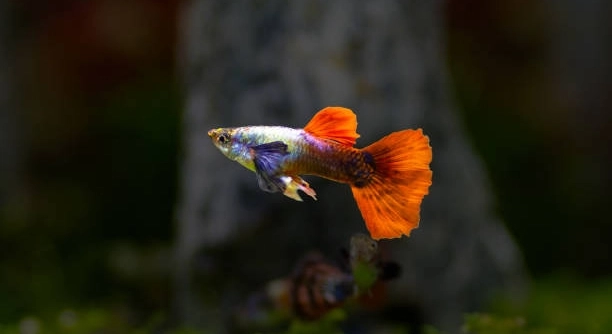
Are your guppies acting strange lately, with sudden movements that seem more like shaking than swimming? You’re not alone in noticing this odd behavior. Many fish keepers encounter this and wonder what it means.
Guppies may shake due to several reasons, including poor water quality, sudden temperature changes, stress, parasites, or infections. Identifying the exact cause involves careful observation and testing of the aquarium environment and the guppy’s physical condition.
Understanding what’s behind the shaking will help you take better care of your guppies and keep their tank a healthy place to live.
Poor Water Quality
Guppies are sensitive to water conditions, and poor water quality is one of the most common reasons for unusual behavior like shaking. Dirty water with high ammonia or nitrite levels can cause serious stress. Even if the tank looks clean, invisible toxins can quickly build up. These affect your guppy’s health and behavior, sometimes making them shake or dart around. Regular water changes, using a reliable filter, and testing your water weekly are important. Guppies thrive in clean, stable environments. When water parameters go out of balance, they react physically. A sudden spike in toxins can even lead to death.
Guppies use their movement to signal discomfort, and shaky swimming is often one of those signals. Watch for other signs like gasping or clamped fins.
Keeping the water clean doesn’t just prevent shaking—it supports overall health. Use a test kit to monitor ammonia, nitrite, nitrate, and pH regularly. If levels are off, act fast.
Sudden Temperature Changes
Guppies don’t do well with sudden changes in temperature. Even small shifts outside their comfort range can cause stress or shock.
Guppies prefer stable temperatures between 72°F and 82°F. If the water cools or heats up too fast, they may respond by shaking or becoming sluggish. This is because sudden temperature changes affect their metabolism and immune system. Shaking can be their way of reacting to the discomfort or trying to adjust. Heaters with built-in thermostats can help keep the tank consistent. Avoid placing the tank near windows, vents, or heaters that may cause rapid changes. Always use a thermometer to check the water daily. If you need to do a water change, make sure the new water matches the tank’s temperature. Sudden cold water can shock them immediately. Long-term exposure to the wrong temperature can also weaken their health, making them more likely to get sick.
Stress from Overcrowding
Too many guppies in a small tank can lead to stress, which often shows up as shaking or erratic swimming. Guppies need enough room to swim freely and feel safe in their space.
Overcrowding leads to constant competition for food, territory, and oxygen. It can also increase waste levels quickly, making the water dirty faster and harder to manage. A stressed guppy may shake, hide, or become aggressive. Try to keep no more than one guppy per two gallons of water. Add live plants and decorations to give them hiding spots and help reduce tension. Watch for signs of bullying, especially with male guppies. Spreading them out into a larger tank or setting up separate spaces can make a big difference. Even a small upgrade in tank size can help calm things down and give each fish the space they need.
Keeping a peaceful tank also means observing how your guppies interact. If one fish is always chasing another, that pressure can make the weaker fish anxious. Over time, this stress can weaken their immune system, making them more likely to get sick or show strange behaviors like shaking. Giving your guppies more space and keeping a balanced ratio of males to females can prevent this.
Internal Parasites
Internal parasites are another possible reason for shaking, especially if your guppy seems thin, less active, or refuses to eat. These parasites affect the fish from the inside, often attacking the digestive system.
Guppies can get parasites from live food, new fish, or even contaminated tank tools. Common signs include shaking, stringy white poop, and weight loss despite normal eating. Infected fish may also separate from the group and stay near the bottom. Medicated food or anti-parasitic treatments can help if caught early. Quarantine any new fish for at least two weeks before adding them to the main tank. Keeping your tank clean and avoiding overcrowding also reduces the risk. If more than one fish shows signs, treat the whole tank. Make sure you follow the dosage instructions carefully.
Treating parasites also means acting quickly. The longer you wait, the more damage they can do. Some parasites are invisible to the eye but can still make your guppies very uncomfortable. A vet who specializes in fish can sometimes test samples and confirm the diagnosis, but home treatments are available at pet stores. After treatment, clean your tank thoroughly and continue to monitor your guppies for changes in behavior or appearance.
Illness or Infection
Shaking can be a sign of illness like fin rot, swim bladder disease, or bacterial infections. These conditions can affect how your guppy moves and behaves. Watch for other symptoms like color changes, bloating, or damaged fins. Early treatment often makes a big difference in recovery.
If your guppy is sick, separate it from the others and treat it in a hospital tank. This helps stop the spread of disease. Use appropriate medication based on the symptoms, and keep the tank water extra clean. Always finish the full treatment even if the fish starts looking better.
Poor Diet
A poor diet can lead to shaking because guppies need the right mix of nutrients to stay healthy. Feeding only flakes or feeding too much can cause problems. Try offering a mix of flakes, frozen foods, and veggies like blanched peas. A balanced diet helps their body stay strong and move properly.
Old Age
Older guppies may shake more often due to weakened muscles or slower metabolism. This is natural and usually not something to worry about unless it’s sudden or paired with other signs. Keep their tank comfortable and stress-free to support them as they age.
FAQ
What can I do if my guppy keeps shaking?
If your guppy is shaking, start by testing the water quality. Poor water conditions are often the main cause of stress. Check for high ammonia, nitrites, or incorrect pH. Regular water changes and using a good filter will help. Ensure the water temperature is stable, as fluctuations can also lead to shaking. If the water is fine, observe the guppy for other signs of illness or parasites. Depending on what you find, you may need to treat for infections, parasites, or stress-related issues.
How can I prevent my guppies from getting stressed?
To reduce stress in your guppies, keep their environment stable. Avoid overcrowding and give them plenty of space to swim. A larger tank with hiding spots, plants, and decorations will help them feel secure. Keep the water clean by doing regular water changes and maintaining a proper filtration system. Make sure they have a varied and nutritious diet to support their health. Also, avoid sudden temperature changes and provide a consistent light cycle to keep your guppies comfortable.
Can shaking be a sign of an infection?
Yes, shaking can be a symptom of an infection. Bacterial infections, parasites, or even internal issues like swim bladder disease can cause shaking in guppies. Look for additional signs like discolored fins, swelling, or strange swimming behavior. If an infection is suspected, you may need to treat the tank with medication. Always remove any infected fish to prevent the spread of disease.
Should I separate a shaking guppy from the others?
If the shaking is caused by illness or parasites, it’s a good idea to separate the affected guppy from the rest of the tank. This will help prevent the spread of disease to the healthy fish. Place it in a quarantine tank and start treatment right away. Keeping sick fish in a separate area will also help reduce stress for the rest of the tank.
Can a guppy recover from shaking if the water quality improves?
Yes, improving the water quality can often help a shaking guppy recover. Guppies are very sensitive to poor water conditions, and correcting these issues can reduce stress and allow your fish to return to normal. Make sure to monitor the water regularly and change it frequently to maintain a healthy environment. However, if shaking continues even with improved water quality, it’s important to investigate other potential causes, like illness or overcrowding.
How do I know if my guppy has parasites?
Signs of parasites include shaking, thin appearance, and stringy white poop. Your guppy may also swim erratically or spend more time near the bottom of the tank. If multiple fish are showing similar signs, it’s likely a parasitic infection. You can treat parasites with anti-parasitic medications available at pet stores. Be sure to follow the dosage instructions carefully to avoid harming your fish.
Is it normal for baby guppies to shake?
Baby guppies may shake if they are stressed or uncomfortable. The shaking could be due to poor water quality, sudden temperature changes, or competition for food. Make sure the water is clean and stable. Baby guppies are more sensitive than adults, so it’s important to create a peaceful environment for them.
Why is my guppy shaking but still eating and swimming?
If your guppy is shaking but still eating and swimming, it might be dealing with mild stress or discomfort. This could be caused by a slight water quality issue, temperature fluctuations, or minor overcrowding. Keep an eye on the tank’s water parameters and ensure your guppy has plenty of space and a varied diet. If other symptoms appear, such as lethargy or loss of appetite, further investigation will be needed.
Can guppies shake from old age?
Yes, older guppies may shake more due to natural aging. As they age, their muscles weaken, and their metabolism slows down, which can result in shakier movements. If the shaking is subtle and there are no signs of illness, it’s likely just part of the aging process. Keep the tank clean, provide nutritious food, and avoid stress to help them age gracefully.
How long does it take for a guppy to recover from shaking?
The recovery time depends on the cause of the shaking. If it’s due to poor water quality, it may take a few days to a week for your guppy to recover after correcting the water conditions. If the cause is an infection or parasites, recovery may take longer, depending on the treatment used. Always monitor your guppy’s progress and ensure it’s comfortable during the recovery period.
Final Thoughts
When your guppy starts shaking, it’s important to remember that it’s usually a sign that something is off in its environment. This behavior can be caused by a variety of factors, ranging from poor water quality to stress, illness, or even old age. The first step in figuring out the cause is to check the water conditions. Ammonia, nitrites, and temperature changes can all affect a guppy’s health and cause them to shake. Regular water changes and maintaining a clean tank are essential to keep your fish healthy. In many cases, addressing these factors can help your guppy feel better in a short amount of time.
If water quality isn’t the issue, you may need to look closer at your guppy’s behavior and physical condition. Illnesses like bacterial infections or internal parasites can cause shaking, along with other signs like changes in swimming patterns, loss of appetite, or discoloration. If you suspect an infection or parasite, it’s best to separate the sick fish from the others and begin treatment right away. With early intervention, many guppies can recover from these issues. If you notice that multiple fish are affected, treating the entire tank might be necessary to prevent further spread.
Finally, stress is another factor that can lead to shaking in guppies. Overcrowding, aggressive tank mates, and poor diet can all contribute to a stressed environment. Guppies need enough space to swim, hide, and feel safe in their tank. Keeping the tank size appropriate for the number of fish, providing hiding spots, and offering a balanced diet will help reduce stress and prevent shaking. By staying vigilant and maintaining a healthy, stable environment, you can ensure your guppies remain happy and comfortable.

Hello,
If you enjoy the content that we create, please consider saying a "Thank You!" by leaving a tip.
Every little bit helps us continue crafting quality advice that supports the health, happiness, and well-being of pets around the world, for pets of all shapes, sizes, and species.
We really appreciate the kindness and support that you show us!