
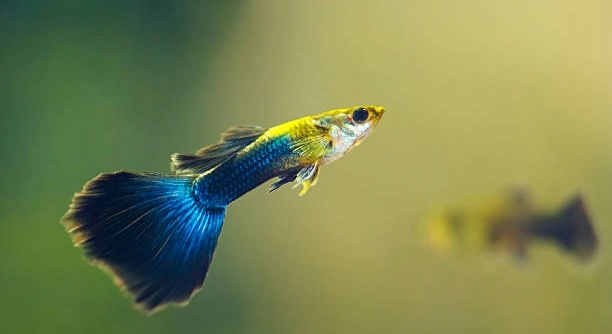
Guppies are known for their playful nature, but if you’ve noticed them rubbing against plants, it may be a sign of something more. Understanding this behavior can help keep your fish healthy and your aquarium in balance.
There are several potential causes for guppies rubbing against plants, including skin irritation, parasites, or stress. Infections like ich, water quality issues, and even overcrowding can contribute to this behavior. Identifying the cause is essential for effective treatment.
By addressing these causes, you can create a healthier environment for your guppies. Exploring these factors will help you ensure your fish live a long, happy life.
Skin Irritation from Water Quality
Water quality plays a significant role in guppy health. When your aquarium has poor water conditions, guppies may rub against plants or other surfaces. High levels of ammonia, nitrites, or nitrates can irritate their skin, making them uncomfortable. This often leads to excessive rubbing. Dirty water can also cause the buildup of harmful substances, further stressing your fish. Keeping the water clean and maintaining regular water changes will help prevent this issue.
Improving water quality by testing pH levels, ammonia, and nitrite levels can ensure your fish stay comfortable. You can also add a filter to help remove toxins.
Maintaining a stable and clean environment will prevent skin irritation and promote healthier, happier guppies. A proper filtration system and monitoring of water parameters will go a long way in keeping your guppies from rubbing against plants.
Parasitic Infections
Parasitic infections are common in freshwater aquariums and often cause guppies to rub against plants. External parasites like ich or velvet can cause irritation to the fish’s skin, leading them to seek relief. Infected fish may also exhibit signs such as abnormal swimming patterns or clamped fins.
To treat these infections, it’s essential to quarantine the affected guppies and add appropriate medications. Keeping your tank clean and ensuring proper water circulation also helps prevent parasite outbreaks. Regularly inspecting your guppies for visible parasites can help catch infections early, making treatment more effective.
Quick action is needed to stop parasites from spreading to other fish. By isolating sick fish and treating them with the correct medication, you can eliminate parasites and restore your guppy’s health.
Stress from Overcrowding
Overcrowding in your tank can lead to stressed-out guppies. When there are too many fish in a small space, they can feel threatened and anxious. This stress can cause them to rub against plants and other objects as a way of trying to soothe themselves.
The lack of space in an overcrowded tank can lead to increased competition for food and territory. This can weaken the immune system of your guppies, making them more susceptible to diseases. It is important to maintain an appropriate number of fish for the size of your tank to prevent overcrowding.
A well-maintained tank with enough space for each fish will reduce stress levels. Make sure to monitor your fish’s behavior and consider upgrading your tank or finding homes for any excess guppies to keep them comfortable.
Poor Diet
Guppies need a balanced diet to stay healthy. If they are not getting the proper nutrients, they may become weak or stressed, which can lead to rubbing against plants. A poor diet can also make them more susceptible to diseases and parasites.
Make sure you are feeding your guppies high-quality food that is specifically designed for them. Overfeeding can cause water quality issues, while underfeeding can leave your fish malnourished. A varied diet, including both dry and live foods, will ensure they are receiving all the necessary vitamins and minerals to stay healthy.
Feeding your guppies a balanced diet helps improve their overall health and reduces the likelihood of them rubbing against plants. This simple adjustment can keep your fish energetic and less stressed, allowing them to thrive in a well-balanced environment.
Water Temperature Fluctuations
Sudden changes in water temperature can stress your guppies. They may rub against plants to relieve the discomfort caused by fluctuating conditions. Guppies are sensitive to extreme temperature shifts, which can weaken their immune system and make them more prone to infections.
Maintain a stable water temperature between 72-82°F (22-28°C) to keep your guppies comfortable. Avoid placing your tank near heaters, windows, or air conditioning vents, as these can cause temperature fluctuations. A reliable aquarium heater with a thermometer will help regulate the temperature, preventing sudden changes that could harm your fish.
Keeping your water temperature stable and consistent helps avoid unnecessary stress for your guppies, ensuring they remain healthy and active.
Inadequate Filtration
Inadequate filtration can lead to poor water quality, which in turn causes discomfort for your guppies. Without proper filtration, toxins and debris build up, irritating their skin and leading them to rub against plants.
Ensure your tank has a good filtration system that suits the size of your aquarium. Regularly clean the filter to prevent it from clogging and losing efficiency. A well-maintained filter helps keep the water clear, removing harmful substances that can harm your fish and cause them to stress.
Proper filtration is essential to maintaining a healthy environment for your guppies. It promotes cleaner water, which directly improves their health and comfort.
FAQ
Why are my guppies rubbing against plants?
Guppies rub against plants for several reasons, including skin irritation, stress, or infections. Poor water quality, parasites, overcrowding, and inadequate filtration can all contribute to this behavior. Additionally, changes in water temperature or an unbalanced diet may lead to rubbing. Observing their behavior closely will help identify the underlying cause.
How can I stop my guppies from rubbing against plants?
To prevent rubbing, ensure your guppies are in a clean, well-maintained tank with stable water conditions. Regular water changes and proper filtration are key to maintaining a healthy environment. Address any signs of stress, overcrowding, or potential infections promptly. Proper feeding and maintaining a balanced diet will also help.
What should I do if my guppies have parasites?
If your guppies are infected with parasites, such as ich or velvet, quarantine the affected fish and treat them with the appropriate medication. Make sure to clean the tank thoroughly to remove any remaining parasites. Keep an eye on the water quality, and ensure that your tank’s filtration system is working effectively.
How often should I change the water in my guppy tank?
You should change about 20-30% of your guppy tank’s water every week. This helps remove toxins, bacteria, and other harmful substances that can affect water quality. Regular water changes will also help maintain a stable environment and prevent stress caused by poor water conditions.
What is the ideal water temperature for guppies?
The ideal water temperature for guppies is between 72-82°F (22-28°C). Keeping the water within this range helps to reduce stress and ensures your guppies stay healthy. Sudden temperature changes can lead to illness or discomfort, so it’s important to maintain a stable and consistent temperature.
How do I know if my guppies are stressed?
Stressed guppies may exhibit unusual behavior, such as rubbing against plants, rapid swimming, or hiding. Other signs include faded colors, clamped fins, or loss of appetite. If you notice these behaviors, investigate potential causes like water quality, overcrowding, or changes in the environment. Addressing the root cause will help reduce stress.
Can overcrowding cause guppies to rub against plants?
Yes, overcrowding can cause guppies to rub against plants due to stress. When there are too many fish in a tank, they compete for food and space, leading to anxiety. Overcrowded tanks also have higher levels of waste, which can deteriorate water quality. Reducing the number of fish or upgrading the tank size can help alleviate this issue.
What is the best food for guppies to prevent health problems?
Feeding your guppies a high-quality, balanced diet will help prevent health problems. Offer a variety of foods, including flake food, live or frozen brine shrimp, and daphnia. Ensure they get a mix of protein and plant-based nutrients. Overfeeding can lead to water quality problems, so feed them only what they can consume in a few minutes.
How can I improve the water quality in my guppy tank?
To improve water quality, perform regular water changes, maintain your filter, and avoid overfeeding. Ensure the tank is not overcrowded and monitor the water parameters, including pH, ammonia, nitrites, and nitrates. Using a water conditioner can also help neutralize harmful chemicals and make the water safer for your guppies.
What are some common diseases that affect guppies?
Common diseases that affect guppies include ich, velvet, fin rot, and swim bladder disease. Ich causes white spots on the fish’s skin, while velvet gives them a gold or rusty appearance. Fin rot can be caused by poor water quality, and swim bladder disease affects their buoyancy. Proper tank maintenance and timely treatment can prevent these issues.
Is it normal for guppies to swim near the surface?
It is normal for guppies to swim near the surface, as they are surface-feeding fish. However, if your guppies are constantly gasping for air or swimming in a frenzied manner near the surface, it may indicate a problem with water oxygen levels or poor water quality. Check the filtration and aeration system to ensure it is functioning properly.
How do I prevent stress in guppies?
To prevent stress, provide a stable, clean environment with proper water conditions. Avoid overcrowding, maintain a balanced diet, and ensure the tank is properly filtered. Additionally, minimize sudden changes in water temperature and lighting. Guppies also thrive in a well-planted tank where they can hide and feel secure.
Why are my guppies losing their color?
Guppies may lose their color due to stress, poor water quality, or a lack of proper nutrition. When guppies are stressed or unhealthy, their colors may fade. Maintaining a clean tank, providing a balanced diet, and ensuring proper water conditions can help your guppies maintain vibrant colors.
Can guppies get bored in their tank?
Yes, guppies can get bored if they don’t have enough stimulation in their environment. Providing plants, hiding spots, and a variety of tank mates will help keep them engaged. Guppies are social fish, so adding more of them to the tank can also help prevent boredom and reduce stress.
How do I treat swim bladder disease in guppies?
Swim bladder disease in guppies can be treated by adjusting their diet and ensuring that they are not overfed. Soaking their food to prevent it from swelling in the stomach can help. If the condition persists, you may need to isolate the affected fish and consult a vet for further treatment.
What is the best tank size for guppies?
A 10-gallon tank is the minimum recommended size for a small group of guppies. The more space you provide, the better your guppies will thrive. Larger tanks offer better stability in water conditions and allow for more fish, plants, and decor, reducing stress from overcrowding.
How do I know if my guppies are healthy?
Healthy guppies have bright, vibrant colors, swim actively, and eat well. They should not have clamped fins, visible lesions, or strange swimming behaviors. Regularly monitoring their behavior and appearance will help you spot any health problems early and address them quickly. Healthy guppies are active and social.
Final Thoughts
Guppies are active and colorful fish that make great additions to home aquariums. However, their well-being depends on the quality of their environment. If you notice your guppies rubbing against plants, it’s a sign that something is wrong. This behavior often points to skin irritation, poor water quality, or possible infections. Addressing these issues promptly is essential to ensure the health and comfort of your fish. Regular maintenance, including water changes and monitoring tank conditions, will help you keep your guppies happy.
In many cases, providing proper filtration, stable water temperature, and a balanced diet can reduce the likelihood of your guppies rubbing against plants. Stress and overcrowding are also common causes of discomfort. To prevent these problems, ensure your tank is appropriately sized for the number of fish and maintain a clean, stable environment. Regular water tests are a good way to monitor pH levels, ammonia, and nitrate levels. These parameters should remain within safe ranges to avoid stressing your guppies and other tank inhabitants.
Understanding why guppies rub against plants is key to maintaining their health. While this behavior can indicate minor issues, it can also be a sign of more serious health problems, such as parasites or infections. By keeping a close eye on their behavior and providing a healthy environment, you can prevent such issues from arising. If you take care of their needs, guppies can live long, happy lives in your tank.

Hello,
If you enjoy the content that we create, please consider saying a "Thank You!" by leaving a tip.
Every little bit helps us continue crafting quality advice that supports the health, happiness, and well-being of pets around the world, for pets of all shapes, sizes, and species.
We really appreciate the kindness and support that you show us!