
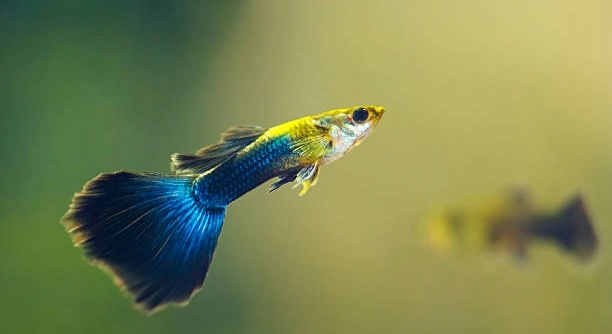
Guppies are one of the most popular aquarium fish, but sometimes they don’t use the whole tank. It’s not uncommon to notice them swimming only in certain areas of their environment, leaving parts of the tank untouched.
The most common causes of your guppies not using the whole tank include water quality issues, stress, lack of hiding spots, inadequate tank size, or even tank mates that they might not get along with. Understanding these factors can help solve the issue.
There are simple ways to address these problems and encourage your guppies to explore their entire tank. Understanding their behavior can make a big difference in their happiness and health.
Poor Water Quality
Water quality plays a huge role in your guppies’ behavior. Guppies are sensitive to changes in water conditions, including temperature, pH levels, and ammonia or nitrite levels. If the water isn’t clean or balanced, your fish may avoid certain areas of the tank to escape stress or poor conditions. This can result in them sticking to the parts of the tank that feel more comfortable or are less affected by the poor water quality.
Inadequate water filtration or infrequent water changes can also contribute to water pollution. Guppies will avoid places where water flow is too strong or stagnant. If the tank’s filtration system isn’t removing toxins effectively, guppies will tend to stay away from areas with lower water circulation. A clean and stable environment will encourage your fish to use the entire tank.
Keeping an eye on water parameters, like nitrate levels and water temperature, is crucial. Regular water changes, testing the water regularly, and having a good filtration system are the best ways to ensure your guppies feel at ease in their home.
Stressful Environment
Stress can also cause your guppies to swim only in certain parts of the tank. When they feel threatened, they seek out places where they feel secure. This could be near plants, decorations, or the tank’s corner. Guppies are social creatures but can become stressed if the environment is not suitable.
There are several factors that could be causing stress in your guppies. Aggressive tank mates, sudden changes in water parameters, or even too much noise around the tank can cause them to act differently. It’s important to ensure that their tank is calm and safe. The right environment will make your guppies feel comfortable enough to explore the whole tank.
Lack of Hiding Spots
Guppies need places to hide and feel secure. Without enough hiding spots, they may stick to one area of the tank. Plants, rocks, and decorations can help provide these safe spaces. If the tank lacks cover, your guppies may avoid open areas where they feel exposed.
Guppies are naturally shy and prefer environments where they can retreat when they feel stressed. Providing hiding spots encourages them to swim freely and explore their surroundings. When there are too few hiding places, they are less likely to venture out and might stay in areas where they feel safe, such as corners or behind decorations.
Adding plants or structures can also help establish a more natural and comfortable setting for your guppies. This allows them to engage in normal behaviors, like searching for food or resting in secure locations, and helps prevent them from feeling cornered in the tank.
Inadequate Tank Size
A tank that’s too small can restrict your guppies’ movement and limit their exploration. In cramped conditions, they may swim in the same area, avoiding the rest of the tank. This is especially true if there’s not enough space for them to spread out.
Guppies need ample room to swim freely, and overcrowding can lead to stress and health problems. A small tank with too many fish creates competition for space and resources, causing your guppies to avoid certain areas. Ideally, a 10-gallon tank is a good starting point for a small group of guppies, and larger tanks provide even more freedom for them to swim around.
If your tank is too small, consider upgrading to a larger one. This change will allow your guppies to feel less stressed and more inclined to explore all areas of their environment. Providing the proper tank size encourages healthy, active fish that can use the entire space.
Tank Mates
Incompatible tank mates can make guppies feel uncomfortable, causing them to avoid parts of the tank. Aggressive or territorial fish might chase or nip at guppies, forcing them to stick to one area. It’s essential to choose peaceful companions for your guppies.
Aggressive fish can cause a lot of stress, and guppies might spend most of their time hiding or swimming in one corner. Even peaceful fish can sometimes be too large or active for guppies, making them feel crowded and trapped. Choosing tank mates that won’t pose a threat will help your guppies feel safe enough to explore.
The right tank mates encourage a peaceful atmosphere where your guppies can swim freely. Fish that are too aggressive, fast, or large can restrict your guppies’ movements, limiting their activity to certain areas.
Lighting
Improper lighting can affect your guppies’ behavior. Too much light can make them feel exposed, while too little light can make them inactive. It’s important to find a balance to make your guppies feel comfortable throughout the day.
Guppies are used to natural light cycles and need a proper day/night schedule. Bright, harsh lighting can make them seek dark spots, avoiding the open tank areas. On the other hand, if the tank is too dim, they might not be as active, leading to a lack of exploration. Proper lighting is crucial for maintaining a healthy and engaging environment for your guppies.
FAQ
Why do my guppies swim in circles?
Guppies swimming in circles can be a sign of stress, poor water quality, or even boredom. If the water conditions aren’t ideal, such as high ammonia or nitrite levels, guppies may swim erratically. This could also happen if they’re confined to a small area of the tank, unable to explore freely. Ensure that your tank has the right size, good water quality, and enough hiding spots. If everything is in order, consider adding more plants or decorations to give them something to interact with.
Are my guppies lonely if they only swim in one area?
While guppies are social fish, swimming in one area isn’t always a sign of loneliness. Often, it’s about comfort or water conditions. If the tank isn’t large enough, has poor water quality, or doesn’t have hiding spots, they might stick to one corner. Ensure the water is clean and stable, and add plants or decorations to give your guppies places to explore. If they have enough space and environmental enrichment, they’ll likely use more of the tank.
Can I keep male guppies together without them fighting?
Male guppies can sometimes be aggressive toward one another, especially in smaller tanks. They tend to compete for territory or attention, which can result in chasing or nipping. To prevent this, it’s best to keep more females than males in a tank. Alternatively, add plenty of hiding spots and plants to break up the space and reduce territorial behavior. Male guppies are more likely to coexist peacefully if they feel secure and have their own spaces.
How can I encourage my guppies to swim more freely?
If your guppies are swimming in one area, try adjusting the environment to make it more comfortable. Ensure the water quality is optimal with regular water changes and a reliable filtration system. Add plants or decorations to create hiding spots, and provide enough space for them to swim. Sometimes, reducing the light intensity or giving them a more consistent day-night cycle can also help. Make sure tank mates are peaceful, as aggressive fish can make guppies feel trapped.
What should I do if my guppies are staying near the surface?
Guppies may swim near the surface of the water for several reasons, including a lack of oxygen, poor water quality, or an issue with the tank’s filtration system. Check the oxygen levels by ensuring proper aeration, like using a sponge filter or surface agitation. Also, test the water for ammonia, nitrites, and nitrates. If the levels are off, perform a water change. If the water quality is fine and oxygen levels are good, they may simply be exploring or resting in that area, as guppies tend to swim all over the tank depending on their mood.
Why aren’t my guppies breeding?
If your guppies aren’t breeding, there could be several reasons. One common factor is that the water conditions aren’t right. Guppies prefer slightly warmer water (around 75-80°F or 24-27°C) with a neutral pH. Another issue could be an imbalance between male and female guppies—there should be at least two females for every male to reduce stress on the females. If you’re keeping males and females together and breeding still isn’t happening, check the tank for excessive stress, such as from aggressive tank mates, inadequate space, or poor water quality.
Can too many guppies in one tank cause them to stay in one area?
Yes, overcrowding can definitely lead to your guppies staying in one area. When the tank is too small or there are too many fish, guppies will often be forced to stick to limited spaces. This increases stress and limits their ability to swim around freely. It’s important to follow the recommended stocking guidelines for guppies: about one guppy per gallon of water. Ensuring the tank is not overcrowded allows your guppies to swim and explore freely, which can also improve their overall health.
Why do my guppies hide all the time?
If your guppies are hiding a lot, it could be due to stress, poor water conditions, or the presence of aggressive tank mates. Guppies are naturally curious but can become shy if they feel unsafe. Check for any sources of stress, such as aggressive fish, improper lighting, or inconsistent water parameters. Adding plants or decorations that offer hiding spots can help your guppies feel more secure. A quiet, peaceful environment will encourage your guppies to come out and explore more often.
How long does it take for guppies to get used to their new tank?
It typically takes guppies a few days to adjust to a new tank, but they can adapt more quickly if the water conditions are right. Be patient and avoid making sudden changes to the water temperature, pH, or other parameters. After a week or so, guppies should start to feel comfortable exploring the entire tank. If they’re still hesitant after this time, check for any possible sources of stress, such as aggressive tank mates or inadequate space.
Final Thoughts
If your guppies aren’t using the whole tank, it’s important to first look at the conditions of their environment. Often, the problem comes down to factors like water quality, tank size, and the presence of hiding spots. Guppies are small, delicate creatures that need clean water, space, and comfort to thrive. If the water is dirty or the tank is overcrowded, your guppies may avoid certain areas to stay away from stress. Keeping the water parameters in check is one of the simplest yet most effective ways to ensure your guppies stay active and comfortable.
The size of the tank can also have a significant impact on your guppies’ behavior. When the tank is too small, there simply isn’t enough space for them to swim freely. Guppies are naturally active, and a cramped environment can cause them to stick to specific areas of the tank, making them feel restricted. In this case, upgrading to a larger tank can give them more room to move and explore. With more space, your guppies will likely feel more confident and use the entire tank rather than staying in just one corner. Larger tanks also provide more stable water conditions, which can further reduce stress for your fish.
Finally, creating a stress-free environment is key to getting your guppies to use the entire tank. This includes ensuring they have peaceful tank mates, proper lighting, and enough places to hide if they need to. Stress from aggression or inadequate tank conditions can make your guppies shy or anxious, keeping them in specific spots. By making small adjustments, like adding plants, decorations, or ensuring they have compatible tank mates, you can help your guppies feel more at ease. With the right environment, your guppies will be more likely to swim freely throughout the tank, staying active and healthy.

Hello,
If you enjoy the content that we create, please consider saying a "Thank You!" by leaving a tip.
Every little bit helps us continue crafting quality advice that supports the health, happiness, and well-being of pets around the world, for pets of all shapes, sizes, and species.
We really appreciate the kindness and support that you show us!