
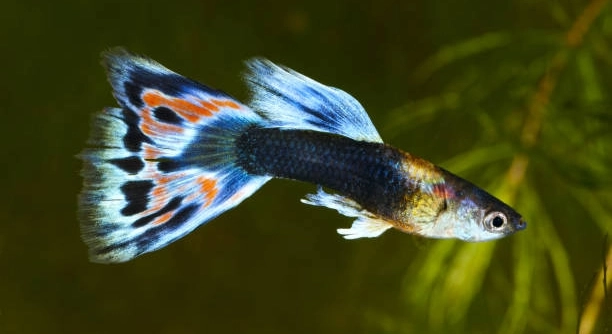
Guppies are popular aquarium fish, known for their vibrant colors and active nature. However, if you notice that your guppies aren’t socializing, it can be frustrating. Understanding the reasons behind this behavior can help improve their well-being.
Guppies may not socialize due to various factors such as water quality, stress, insufficient space, or incompatible tank mates. Additionally, improper diet, illness, or even environmental changes can cause them to behave more solitary. Ensuring their needs are met can encourage socialization.
There are several factors at play that could be affecting your guppies’ social behavior. Understanding them can help improve their interaction with each other.
Water Quality
Water quality is crucial for guppies’ health and behavior. Poor water conditions, such as high ammonia or nitrate levels, can stress guppies and lead to less interaction. Guppies are sensitive to their environment, and when the water isn’t clean, they tend to hide more often. Inadequate filtration or irregular water changes can contribute to this. Monitoring pH levels, temperature, and ammonia/nitrate levels regularly is essential to maintaining a healthy environment. If you notice that your guppies are not socializing, checking water quality should be your first step. Guppies thrive in stable and clean water, which can encourage them to become more active and social.
Even a slight change in water quality can stress guppies and make them retreat to corners of the tank. Regular maintenance of their habitat ensures they remain healthy and interact with each other.
If your guppies seem to avoid each other, start by testing the water. A stable, clean environment is key to keeping them active and social. Maintaining good water quality benefits both their health and behavior.
Tank Size and Space
Guppies are active fish and need ample space to swim. Overcrowding can stress them out, leading to a lack of socialization. A tank that is too small can prevent guppies from interacting freely, as they may become territorial or fearful of one another. A minimum of a 10-gallon tank is recommended for a small group of guppies, but larger tanks are better for more interaction. Adequate space allows guppies to explore their environment, encouraging more social behavior.
A cramped environment can cause stress, leading to less movement and fewer interactions. Ensure your tank provides enough space for guppies to swim comfortably.
Providing your guppies with more room helps reduce stress and creates a healthier, more active environment. Social behavior will increase as they feel less confined and more comfortable. It’s important to understand that proper space can make a big difference in how they behave.
Tank Mates
Incompatible tank mates can cause stress, leading guppies to avoid each other. Aggressive fish or those that disrupt their environment can make guppies feel threatened. Guppies are peaceful and do best in a community tank with other non-aggressive species. If there are fish that bully them, guppies may hide to escape the tension. Choose tank mates wisely to ensure a harmonious environment. If guppies are the target of aggression, they are less likely to socialize or show their typical behavior.
Guppies often thrive in peaceful environments where they can swim freely without the fear of being chased or harassed. The presence of fin-nipping fish or aggressive species can prevent guppies from interacting with one another. They may retreat to areas where they feel safer, reducing the overall social atmosphere. For optimal social behavior, it’s best to house them with other peaceful fish that are of similar size and temperament. Avoid fish that compete for the same resources or space.
If you notice your guppies hiding from one another, it could be due to the presence of aggressive tank mates. The stress from aggressive fish may prevent them from socializing. Ensuring a balanced mix of fish in your tank will help reduce tension and encourage guppies to interact more.
Diet and Nutrition
A poor diet can impact guppies’ energy levels and behavior. If they are not receiving proper nutrients, they may not have the energy to socialize with others. A diet lacking in variety or missing essential nutrients like vitamins and minerals can weaken their immune system, leading to stress and less interaction. Ensure your guppies are fed a balanced diet of high-quality fish flakes, frozen foods, and occasional live foods. The right diet supports their overall health and encourages active behavior.
Guppies require a balanced diet to stay healthy and active. Without proper nutrition, their energy levels can drop, making them less likely to interact. Offering a variety of foods, such as live or frozen brine shrimp and daphnia, can help stimulate their activity. Overfeeding can also cause water quality issues, which in turn affects socialization. Feed them small amounts twice a day, and always remove uneaten food to maintain water quality. A well-fed guppy will not only thrive but will be more likely to engage with others in the tank.
Providing your guppies with a nutritious, varied diet is crucial to maintaining their health and social behavior. A well-fed guppy will be more energetic and willing to interact with its tank mates. Keep their diet consistent and balanced to encourage active and social behavior.
Stress Factors
Stress can cause guppies to withdraw and avoid socializing. Sudden changes in the tank environment, such as fluctuations in temperature or lighting, can lead to stress. Constant disturbances or loud noises around the tank also affect their behavior. Stress weakens their immune system, making them less active.
When guppies are stressed, they may spend more time hiding or swimming aimlessly instead of interacting with others. Stress from poor water conditions, overcrowding, or aggressive tank mates can make them feel unsafe. Identifying and addressing the stressors in their environment is crucial to improving their social behavior. A calm, stable tank setup promotes active, happy guppies.
Managing stress factors helps guppies feel secure enough to interact. Ensuring that their tank is peaceful and stable supports their well-being and encourages socializing.
Illness and Health Issues
Illness can lead to lethargy in guppies, making them less likely to socialize. Sick fish often hide to avoid further stress. Symptoms such as discoloration, loss of appetite, or erratic swimming can indicate illness. If you notice these signs, it’s important to treat the problem promptly.
Guppies are sensitive to water quality and can easily fall ill if conditions are poor. Common health issues like fin rot or internal parasites can affect their energy levels and behavior. If your guppies are not interacting with each other, check for signs of illness. Treating any health issues swiftly can help bring them back to their normal, social behavior.
Environmental Changes
Guppies can be sensitive to changes in their environment, causing them to become less social. When the tank is moved, or if new decorations or plants are added, guppies might feel unsettled. They need time to adjust to new surroundings.
Changing the environment can disrupt their routine, making them retreat and avoid interaction. Guppies may require a few days to adjust before they feel comfortable socializing again. Maintaining a stable, familiar environment promotes comfort and helps them feel safe. Avoid frequent changes to reduce stress and encourage socialization.
FAQ
Why are my guppies hiding all the time?
Guppies tend to hide when they feel stressed, threatened, or unwell. Poor water quality, aggressive tank mates, or overcrowding can cause them to retreat to corners or plants in the tank. They may also hide if there’s too much light or too many changes in the environment. It’s important to check water parameters regularly and ensure the tank is peaceful and spacious. Sick guppies might also isolate themselves to avoid further stress. Providing a stable environment with appropriate tank mates can encourage them to feel safe and socialize.
Do guppies need to be in groups to be happy?
Yes, guppies are social fish that thrive in groups. They feel more secure and confident when surrounded by their own kind. A single guppy can feel lonely and stressed, leading to behavior changes like hiding or lethargy. Ideally, a group of at least three to five guppies is recommended, but the more, the better. A small school helps them establish social bonds and engage in natural behaviors. Keep in mind, though, that a balance in gender is crucial to avoid too much aggression or overcrowding.
Can a male guppy stress out the females?
Yes, male guppies can sometimes stress out females, especially if there are too many males in the tank. Male guppies are highly active and constantly seek out females to mate. If there’s an imbalance in the male-to-female ratio, it can cause females to feel overwhelmed. This constant attention might lead to females hiding or displaying stress behaviors like fin clamping. To reduce stress, it’s best to have a higher ratio of females to males in the tank (around two to three females per male).
Do guppies need a lot of space to socialize?
Yes, guppies need enough space to move freely and interact with each other. An overcrowded tank leads to stress and a lack of socialization. A small tank with too many fish can cause aggression, territorial disputes, and a general reluctance to interact. A tank that is at least 10 gallons provides enough space for a group of guppies to swim, explore, and establish social bonds. The more space they have, the more likely they are to engage with each other and become active in the tank.
How often should I feed my guppies to keep them active?
Feeding your guppies two to three times a day is typically sufficient. Overfeeding can lead to water quality problems and cause stress, making them less social. Offer small amounts of food that they can consume in a few minutes. A varied diet, including flakes, pellets, and occasional live or frozen foods like brine shrimp or daphnia, keeps them healthy and active. Providing the right amount of food helps maintain energy levels and encourages natural behaviors like swimming and interacting with tank mates.
Can water temperature affect guppy behavior?
Yes, water temperature plays a significant role in guppy behavior. Guppies are tropical fish and prefer temperatures between 72°F and 82°F (22°C and 28°C). Water that’s too cold or too warm can stress them out and reduce their activity. If the water temperature is outside their preferred range, they may become lethargic, hide more often, or even become sick. A reliable heater and thermometer should be used to maintain a consistent temperature. A stable environment with the right temperature promotes socialization and overall well-being.
Is it normal for guppies to occasionally fight?
Some level of aggression can be normal, particularly among males, as they establish dominance or compete for mates. However, frequent fighting or bullying can indicate an issue, such as overcrowding or incompatible tank mates. Male guppies can chase each other, but this should not result in serious injury. If you notice constant fighting or one fish being bullied, consider increasing the number of females in the tank or separating the aggressive individuals. It’s also important to ensure that all fish have enough space to avoid territorial disputes.
Why do my guppies swim in circles instead of interacting with each other?
Swim patterns like circling can be a sign of stress or illness. It may indicate that the water quality is poor, the tank is overcrowded, or the fish are not feeling secure. Another reason could be an imbalance in the tank environment, such as sudden changes in water temperature or lighting. Guppies tend to swim in circles when they are disoriented or anxious. Check water parameters, ensure they have enough space, and verify that there are no aggressive tank mates. A stable and peaceful tank environment should encourage them to swim naturally and socialize.
Can I introduce new guppies into the tank without causing stress?
Introducing new guppies can cause stress to both the new and existing fish. It’s important to quarantine new fish for at least two weeks to ensure they are healthy and free of diseases before adding them to the main tank. When introducing new guppies, ensure the tank is large enough to accommodate the extra fish, and consider rearranging decorations to break up territorial boundaries. Adding new fish slowly and allowing the existing guppies time to adjust to their new tank mates can help minimize stress and encourage peaceful socialization.
What should I do if my guppies are constantly hiding in plants?
If guppies are hiding in plants, it could be a sign of stress or illness. First, check the water quality, as poor conditions can cause them to retreat. Ensure the tank has enough space and that the fish aren’t overcrowded. If there are any aggressive or territorial fish in the tank, they may be causing your guppies to seek refuge. Offering hiding spots like plants is good, but if guppies are constantly hiding, it’s a sign that something isn’t right. Evaluate the tank conditions and make necessary changes to reduce stress.
Can lighting affect guppy socialization?
Yes, lighting can influence guppy behavior. Guppies prefer natural light, and too much bright, artificial lighting can cause stress. If your tank is exposed to bright, direct light all day, guppies may become overwhelmed and seek darker areas of the tank. It’s best to provide a regular light cycle, with the tank lights on for 10 to 12 hours a day, simulating day and night. This helps regulate their behavior and promotes natural socialization. Adjusting the lighting to a more natural setting can help keep them calm and encourage interaction.
Final Thoughts
Understanding why your guppies aren’t socializing can help you make necessary adjustments to their environment and behavior. There are several factors that can cause guppies to withdraw, including stress, illness, and environmental changes. If your guppies seem isolated or less active, it’s essential to assess their tank conditions, such as water quality, temperature, and space. Even small changes to their environment, such as adding plants or rearranging the tank, can encourage socialization. By identifying the root cause of the issue, you can make adjustments that will help your guppies feel more comfortable and less stressed.
Additionally, it’s important to consider the dynamics between the fish themselves. Guppies, like many other fish, thrive in groups. A tank with a good balance of males and females can help maintain a peaceful environment. However, too many males can lead to aggression, which may cause the females to hide. Maintaining the right number of fish in the tank and ensuring that there are no aggressive behaviors can promote a more active and social atmosphere for your guppies. The more comfortable and secure they feel, the more likely they are to engage with one another.
Finally, be patient and allow your guppies time to adjust. Fish are sensitive creatures, and changes in their environment can take time to process. Whether it’s a change in tank setup, the introduction of new tank mates, or a shift in water conditions, guppies may need time to acclimate. Regular monitoring of their behavior and making sure they have the right conditions will help ensure their happiness and social engagement. Keep in mind that fostering a stable, stress-free environment is key to encouraging your guppies to interact and thrive.

Hello,
If you enjoy the content that we create, please consider saying a "Thank You!" by leaving a tip.
Every little bit helps us continue crafting quality advice that supports the health, happiness, and well-being of pets around the world, for pets of all shapes, sizes, and species.
We really appreciate the kindness and support that you show us!