
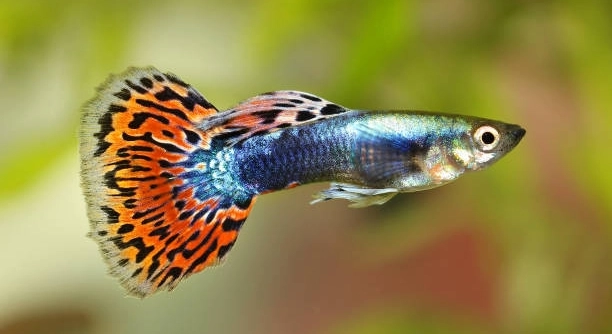
Are your guppies acting a little too feisty lately, chasing each other and nipping at fins during feeding time or rest?
Guppies often nip at each other due to stress, overcrowding, lack of hiding spaces, mismatched tank mates, breeding behavior, dominance issues, or poor water quality. Identifying the cause can help reduce aggression and maintain a peaceful environment.
Learning what causes guppy aggression can help improve their health, comfort, and tank harmony over time.
Overcrowding Leads to Stress and Aggression
When too many guppies are kept in a small tank, problems can quickly appear. Limited space makes it difficult for them to swim freely or establish territory. This can lead to stress, which often causes nipping and chasing behaviors. Guppies, although small, need room to feel secure. A crowded tank also impacts water quality, increasing waste levels and reducing oxygen, which adds more pressure. Keeping too many fish in a small tank also leads to competition over food and hiding spots. A 10-gallon tank should ideally house only a small group of guppies. Adding plants, caves, or decorations gives them a sense of security. Guppies in a relaxed environment are more likely to be peaceful and thrive. It’s not just about numbers but also about giving them enough space to move around and feel safe in their surroundings.
A spacious tank can reduce competition and give your guppies a calm place to swim and interact.
Always monitor your tank’s population. If things seem too crowded, consider upgrading to a larger setup or reducing the number of fish. Watching how your guppies interact can help you decide when it’s time for a change.
Lack of Hiding Places Creates Tension
When guppies feel exposed, they tend to act out by nipping or chasing others in the tank.
A tank without hiding spots can leave guppies feeling insecure. Guppies are active but also need places to rest or retreat when they feel threatened. Without any cover, weaker or younger fish can’t escape more dominant ones. This causes constant stress and leads to aggressive behaviors. Simple additions like live plants, artificial caves, or even small decorations can make a big difference. These features help break lines of sight and give guppies somewhere to relax. Not every fish will use them all the time, but just having options can reduce tension in the tank. It’s also useful during breeding, where some guppies need to hide to avoid constant attention. Rearranging the tank or rotating decorations can even keep the environment fresh and stimulating. A peaceful tank starts with making your guppies feel secure in their space.
Mismatched Tank Mates Cause Conflict
Guppies may start nipping when housed with fish that are too aggressive or too slow to defend themselves. Their behavior changes based on who they share the tank with, especially if they feel threatened or overstimulated.
Aggressive tank mates like barbs or certain tetras may trigger defensive behavior in guppies, leading to constant chasing or biting. On the other hand, slow-swimming species with long fins, like bettas, can become targets because guppies mistake their fins for food or competition. Mixing guppies with incompatible species often creates ongoing tension. Even peaceful fish can become stressed by guppies’ constant movement. Observing fish interactions daily helps spot early signs of stress. If one fish constantly hides or has damaged fins, it’s a sign that changes need to be made. Choosing fish with similar temperaments and size helps promote harmony. Community tanks work best when the species are balanced in both behavior and activity levels.
When setting up a tank, always research each species’ temperament. Guppies do best with peaceful fish like mollies, platies, or corydoras. Avoid pairing them with nippy or territorial species. Watching how they behave during feeding and throughout the day can reveal whether they’re stressed by their tank mates. Adjustments can create a calmer, more balanced environment.
Breeding Behavior Triggers Nipping
Male guppies often nip during breeding. They chase females constantly, which causes stress and fin damage over time.
This behavior is especially common in tanks with too many males and not enough females. Male guppies tend to show nonstop interest in breeding, leading to aggressive pursuit of females. A good ratio is one male to two or three females. This helps reduce the pressure on any single female. If breeding behavior is too aggressive, adding plants or hiding spots helps give females a place to escape. You may also notice males nipping each other as they compete for dominance. These actions are natural but should be monitored. If fins start getting torn or fish seem exhausted, separate tanks may be necessary. Breeding is part of guppy life, but it shouldn’t overwhelm the tank or lead to ongoing stress for any of the fish. Proper balance and observation help keep things under control.
Dominance and Hierarchy
Guppies sometimes nip to establish dominance, especially in all-male groups. These short bursts of aggression are part of a pecking order and may fade once roles are clear.
If the nipping continues or becomes more intense, it’s a sign the group isn’t balanced. Separating aggressive fish may help.
Poor Water Conditions Increase Aggression
When water quality drops, guppies can become irritable and more aggressive. High ammonia or nitrite levels affect their health, causing discomfort and stress that often lead to nipping. Even minor changes in pH or temperature can trigger this behavior. Clean, well-filtered water supports calmer behavior. Regular tank maintenance, weekly partial water changes, and proper filtration are essential for guppy health. Use a test kit to track parameters like pH, ammonia, nitrite, and nitrate. When these levels are stable, guppies are more likely to swim calmly and interact peacefully. Clean water isn’t just about appearance—it directly impacts how guppies act and feel each day.
Not Enough Food or Uneven Feeding
When food is limited or scattered unevenly, guppies may nip each other while competing for meals. Feeding small amounts more frequently can help. Everyone in the tank should get a fair chance to eat without fighting.
FAQ
Why do my guppies chase each other around?
Guppies often chase each other due to dominance behavior or breeding activity. Males are especially active in pursuing females, especially when they’re trying to mate. If there’s more than one male, they may also compete for attention. While chasing is natural, excessive chasing can indicate stress, overcrowding, or aggressive behavior. Ensuring a balanced male-to-female ratio and providing enough hiding spots in the tank can help reduce this behavior. Additionally, check for overcrowding and stress from other tankmates that could contribute to their restlessness.
How do I stop guppies from nipping at each other?
To stop guppies from nipping at each other, first ensure they have enough space. Overcrowding often leads to stress and aggression. A minimum of 1 gallon of water per inch of fish is recommended, but more space can lead to calmer guppies. Additionally, provide plenty of plants, decorations, or hiding spots, which give guppies safe spaces to retreat to. Reducing aggression by choosing compatible tankmates and ensuring the water quality is optimal also helps. Regular maintenance of your tank can prevent stress and promote a peaceful environment.
Are my guppies stressed out if they’re nipping each other?
Yes, nipping can be a sign of stress in guppies. Stressed guppies may nip at each other as a form of defense or because they are competing for limited resources. Poor water quality, overcrowding, or aggression from tankmates often contribute to stress. Regularly testing your tank’s water parameters, ensuring there is enough space for each fish, and avoiding incompatible tankmates can help reduce stress. If stress persists, consider adjusting your tank setup, including adding more hiding spots or reducing the number of aggressive fish.
How can I tell if my guppies are being bullied?
Signs of bullying in guppies include constant hiding, damage to fins, and avoidance of other fish. A bullied guppy may swim in one corner of the tank, avoiding interactions with the rest of the fish. They might also have nipped fins or appear lethargic. If bullying is suspected, check for overly aggressive tankmates or a lack of hiding places. Reducing the number of dominant fish or separating aggressive fish from more passive ones can help create a better environment. It’s important to observe how each fish behaves and intervene when necessary.
Can poor water quality cause guppies to nip at each other?
Yes, poor water quality is a major stressor for guppies and can cause them to become more aggressive, including nipping at each other. Ammonia, nitrites, and high nitrate levels can irritate their gills and skin, making them uncomfortable. In response, they may act aggressively toward tankmates. To prevent this, regularly test the water and perform partial water changes. Ensure the tank has a good filtration system to keep the water clean. Keeping the water parameters stable reduces stress and aggression among guppies.
Do guppies nip at each other during breeding?
Yes, nipping can occur during breeding, especially when male guppies chase females. Male guppies often nip at females to get their attention, leading to chasing and even fin damage. This behavior is typically more common when there is a large number of males in the tank and not enough females to balance the attention. To reduce breeding-related aggression, keep a ratio of one male to two or three females. Offering hiding spots also gives females a way to escape the constant attention of males.
How often should I clean my guppy tank to prevent aggression?
To prevent aggression, it’s important to maintain a clean tank environment. Regular water changes are essential—aim for a 25-30% water change once a week. This will help keep the water parameters stable, reducing stress that can lead to aggression. Additionally, clean the substrate, filter, and decorations to ensure debris does not accumulate. Keeping your tank clean improves water quality, making the environment more comfortable and peaceful for your guppies.
What is the best tank size for guppies to avoid aggression?
A tank size of at least 10 gallons is ideal for a small group of guppies. The more space they have, the less likely they are to feel crowded and stressed, which can lead to aggression. In larger tanks, guppies can establish territories and have plenty of room to swim, reducing the likelihood of nipping. Additionally, a larger tank allows for more hiding spots and decorations, which further helps to minimize stress and aggression among guppies. Ensure the tank is properly filtered and that water parameters are consistently maintained.
Can guppies live with other fish without nipping at them?
Yes, guppies can live peacefully with other fish if the tank mates are compatible. They do best with peaceful, similarly sized fish like mollies, platies, and corydoras. Avoid pairing them with aggressive species, as these can trigger defensive nipping or territorial behavior. To reduce aggression, ensure the tank has enough space, hiding spots, and proper water conditions. Monitoring interactions between different species is key to creating a peaceful community tank.
Can stress be the main reason behind my guppies’ nipping?
Yes, stress is often the primary cause of nipping in guppies. Stress can result from poor water quality, overcrowding, incompatible tank mates, or insufficient space. Guppies under stress are more likely to engage in aggressive behaviors, such as chasing and nipping at other fish. Ensuring proper tank size, a balanced male-to-female ratio, and optimal water conditions can significantly reduce stress levels. If nipping persists, evaluate the tank environment and make necessary adjustments to improve the well-being of your guppies.
Should I separate nipping guppies from the tank?
If nipping is excessive or leading to injuries, separating the aggressive guppies can help. It’s important to identify whether the nipping is due to dominance behavior, stress, or territorial issues. If possible, provide a separate tank for the nipper until its behavior stabilizes. Alternatively, adjusting the tank’s setup by adding more hiding spots or rearranging decorations might reduce aggression. If the aggression persists, it may be necessary to rehome certain fish or create a more peaceful environment by adjusting the tank’s population.
How can I help a guppy that is being nipped at?
To help a guppy that is being nipped at, remove the stressed fish from the tank and place it in a separate quarantine or recovery tank. This will allow the guppy to heal without further aggression. During this time, you can evaluate the main tank’s setup, checking for overcrowding, incompatible tankmates, or stressors. Once the injured guppy has recovered, you can reintroduce it, ensuring the tank environment is conducive to peaceful interactions. Monitoring the tank’s population and ensuring an adequate male-to-female ratio will also help prevent future aggression.
Final Thoughts
Guppy behavior, including nipping, is often a reflection of the environment they live in. By maintaining a balanced, clean, and spacious tank, you can minimize the factors that lead to aggressive behavior. Regular water changes, proper filtration, and ensuring optimal water quality can reduce stress and encourage peaceful interactions between guppies. Additionally, understanding the social dynamics of your tank, such as the number of males and females, can help prevent unnecessary competition. When guppies have enough space and a harmonious environment, they are less likely to nip at each other.
Providing enough hiding spots and plants in the tank can also make a significant difference. Guppies, like many other fish, need places where they can retreat if they feel threatened. This can reduce the need for aggressive behavior, as it allows them to establish their own territories and avoid confrontation. The key is to find a balance—ensuring the tank isn’t overcrowded while offering plenty of spaces for each fish to feel secure. In doing so, you will reduce the likelihood of nipping and other forms of aggression.
In the end, guppies are social fish that thrive in well-maintained, peaceful environments. Nipping is often a sign of underlying issues, whether related to water quality, overcrowding, or social stress. By making adjustments to the tank setup, monitoring water conditions, and observing your guppies’ behavior, you can foster a more harmonious environment. Over time, with the right care and attention, your guppies will be healthier and more content, and nipping behavior will become a thing of the past.

Hello,
If you enjoy the content that we create, please consider saying a "Thank You!" by leaving a tip.
Every little bit helps us continue crafting quality advice that supports the health, happiness, and well-being of pets around the world, for pets of all shapes, sizes, and species.
We really appreciate the kindness and support that you show us!