
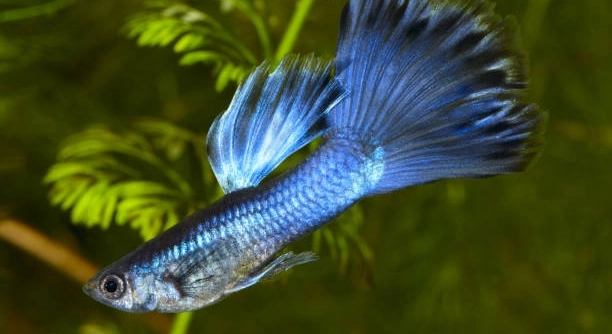
Guppies are known for their vibrant colors and active nature, but when they begin losing weight quickly, it can signal a serious issue. Observing this can be alarming, but understanding the causes is essential for their well-being.
Guppies may lose weight quickly due to several factors, including poor water quality, inadequate diet, parasites, or stress. Identifying the root cause is crucial, as it allows for targeted solutions that can help restore your guppies’ health.
Addressing these factors will help you understand the best steps to support your guppies’ health and prevent future issues.
Poor Water Quality
When guppies start losing weight quickly, poor water quality is often one of the main factors. High levels of ammonia, nitrites, or nitrates in the water can cause stress and health issues, leading to weight loss. Guppies are sensitive to changes in their environment, and poor water quality can weaken their immune systems, making them more susceptible to diseases. Regular water changes and maintaining proper filtration can prevent this from happening.
The water temperature should also be monitored closely. If the temperature is too high or low, it can lead to stress. Guppies thrive in temperatures between 72°F and 82°F. Keeping the water clean and maintaining stable conditions is crucial for their health.
To ensure your guppies are living in a safe environment, perform regular water tests and check the filtration system. Proper care of the tank environment can make a significant difference in preventing weight loss and other health issues.
Inadequate Diet
If your guppies are not getting the proper nutrients, it can lead to weight loss. Guppies require a balanced diet that includes protein, vitamins, and minerals. Inadequate food or a diet that lacks variety can result in malnutrition.
A proper diet helps guppies maintain healthy growth and energy. Offer them a combination of high-quality flake food, frozen foods like bloodworms, and vegetable matter.
Overfeeding can also be a concern. Providing the right amount of food ensures that your guppies get the nutrients they need without overburdening the system.
Parasites
Parasites are a common reason for rapid weight loss in guppies. Internal parasites, such as worms, can infect the digestive system, leading to poor nutrient absorption and weight loss. External parasites like ich can also cause stress and weaken the fish.
It’s important to monitor any signs of abnormal behavior, like scratching against objects or fading colors. If parasites are suspected, quarantine the affected guppy to prevent spreading. Treatments like medicated food or bath treatments can help eliminate parasites and restore your guppy’s health.
Make sure the entire tank is treated, as parasites can spread quickly among fish. After treatment, monitor water quality to avoid additional stress. A clean tank and proper care help prevent future outbreaks of parasites, keeping your guppies healthy.
Stress
Stress is another factor that can lead to weight loss in guppies. They are sensitive to sudden changes in their environment, such as temperature fluctuations, overcrowding, or aggressive tank mates.
Stress can suppress appetite, leading to underfeeding and weight loss. It also weakens their immune system, making them more prone to diseases. If a guppy is constantly hiding or showing signs of distress, it’s important to assess the tank conditions. Ensure that the environment is stable, with proper space and compatible tank mates.
Overfeeding
Overfeeding can lead to health problems for guppies, causing digestive issues and weight loss. Excess food in the tank decomposes, affecting water quality and creating stress for your fish. A balanced feeding schedule prevents both overfeeding and water contamination.
Make sure to feed your guppies only what they can consume in a few minutes. Uneaten food can degrade the water quality, creating a breeding ground for harmful bacteria. Adjust feeding times if necessary and monitor their eating habits to avoid overfeeding.
Poor Genetics
Genetics play a role in your guppies’ overall health and growth. Some guppies may be more prone to weight loss due to inherited traits, including slower growth rates or weaker immune systems.
If you notice consistent weight loss despite proper care, consider the possibility of genetic issues. Select breeding pairs carefully, focusing on healthy, strong fish with good growth potential.
FAQ
Why is my guppy losing weight despite eating well?
Even if your guppy is eating well, other factors could be affecting its health. Poor water quality, stress, or parasites may prevent your guppy from properly absorbing nutrients. It’s also possible that overfeeding or underfeeding is causing digestive issues. Check your water parameters regularly and ensure there is a balanced diet. Additionally, make sure the tank environment is stable and stress-free for your fish.
How can I treat parasites in my guppy?
To treat parasites, it’s important to identify the type of parasite. Internal parasites may require medicated food, while external parasites might need a salt bath or medication designed for skin and gill treatments. Quarantining affected fish is essential to prevent the spread of parasites. Always follow the instructions on the treatment products carefully and maintain clean water conditions.
Is it normal for guppies to lose weight after giving birth?
Yes, guppies often lose weight after giving birth due to the energy spent during pregnancy. It’s common for female guppies to look thinner after delivering their fry, but as long as they are eating well and the tank conditions are healthy, they should regain their weight over time. Provide them with a high-protein diet and ensure they are in a stress-free environment to promote recovery.
Can stress cause guppies to lose weight quickly?
Yes, stress can cause guppies to lose weight. Stress weakens their immune system and can lead to a decrease in appetite. Stress can result from poor water quality, overcrowding, aggressive tank mates, or fluctuating water temperatures. Reducing stress factors by maintaining a clean and stable tank environment will help your guppies feel secure and healthy.
How often should I change the water in my guppy tank?
Water changes are essential to keep your guppy tank clean and prevent health issues. It’s recommended to change 25-30% of the water once a week. However, if you have a heavily stocked tank, you may need to increase the frequency of water changes. Regular water changes help remove toxins like ammonia, nitrites, and nitrates, which can negatively affect your fish.
Can a poor diet cause weight loss in guppies?
Yes, a poor diet is one of the primary causes of weight loss in guppies. They require a balanced diet consisting of high-quality flakes, frozen food, and occasional live food. A diet lacking in protein, vitamins, and minerals can lead to malnutrition and weakened health. Offering a variety of foods ensures that your guppies get all the necessary nutrients for proper growth and energy.
What is the ideal temperature for guppies?
Guppies thrive in temperatures between 72°F and 82°F (22°C – 28°C). Temperatures outside of this range can cause stress, weaken their immune system, and make them more susceptible to illness. Use an aquarium heater to maintain a consistent temperature, especially in colder environments. It’s important to avoid sudden temperature fluctuations, as this can lead to stress and health problems.
Can guppies lose weight from overcrowding?
Yes, overcrowding can lead to weight loss in guppies. When there are too many fish in a tank, they may experience stress, reduced oxygen levels, and competition for food. Overcrowding also leads to poor water quality, which further stresses the fish and hinders proper digestion. To prevent this, ensure your tank is appropriately sized for the number of fish you have.
Should I remove a sick guppy from the tank?
If you notice that one of your guppies is sick, it’s a good idea to remove it from the main tank. Quarantining the sick fish helps prevent the spread of illness and allows you to treat it more effectively. Keeping the sick fish in a separate tank with optimal conditions for recovery will help it heal and reduce stress from other fish in the tank.
How can I prevent weight loss in my guppies?
To prevent weight loss in guppies, ensure they are fed a balanced, high-quality diet, and maintain clean water with stable temperatures. Regularly test water parameters, including pH, ammonia, nitrites, and nitrates, and perform weekly water changes. Keep the tank stress-free by providing ample space and compatible tank mates. Regularly check for parasites and other health issues to catch any problems early.
Final Thoughts
Weight loss in guppies can be a sign of various underlying issues. Whether it’s due to poor water quality, an inadequate diet, stress, or parasites, it’s important to address these factors as soon as possible to prevent further health complications. Guppies are relatively hardy fish, but they do require specific care to thrive. Maintaining a stable environment with clean water and a balanced diet will go a long way in ensuring their health. Regularly checking water parameters and offering a variety of foods can help keep your guppies in optimal condition.
Stress is one of the most common causes of weight loss in guppies. Overcrowding, aggressive tank mates, or fluctuating water temperatures can all contribute to a stressed environment. Guppies, like most fish, are highly sensitive to their surroundings. Keeping the tank environment calm and stable can help minimize stress and promote healthy growth. Avoid sudden changes in temperature, and make sure there is enough space for each fish to swim freely. If possible, separate aggressive fish and create a peaceful atmosphere for your guppies.
Regular observation of your guppies’ behavior and appearance is key to identifying any problems early. If you notice your guppy losing weight quickly, take action by checking water quality, diet, and the overall health of the fish. If necessary, seek professional advice or consider using treatments for parasites. By staying proactive and providing a proper environment, you can help ensure your guppies remain healthy and vibrant. The earlier you address any issues, the easier it will be to restore their health.

Hello,
If you enjoy the content that we create, please consider saying a "Thank You!" by leaving a tip.
Every little bit helps us continue crafting quality advice that supports the health, happiness, and well-being of pets around the world, for pets of all shapes, sizes, and species.
We really appreciate the kindness and support that you show us!