
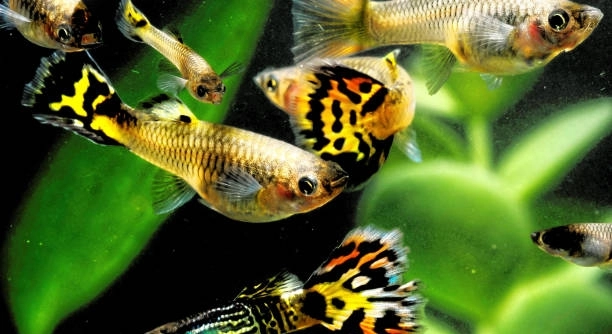
Are your guppies looking less colorful than usual, leaving you wondering what might be going wrong in their tank environment?
Guppies often lose their color due to stress, poor water quality, lack of proper nutrition, illness, aging, or genetic factors. Identifying the exact cause requires careful observation and sometimes adjusting several aspects of their care routine.
Learning more about each potential cause will help you keep your guppies looking vibrant and feeling healthy in their home.
Poor Water Quality
When the water in your tank isn’t clean or properly balanced, guppies can lose their color fast. Dirty water causes stress, which affects their appearance and health. Things like high ammonia or nitrite levels, unstable temperature, and low oxygen can all trigger this. Guppies need a stable environment with proper filtration and regular water changes. Even a slight imbalance can lead to stress and eventually fading color. It’s also important to avoid sudden changes in water parameters. Always check your water with a reliable test kit and keep the pH, hardness, and temperature within the ideal range for guppies. Aim for a pH around 7.0–7.8 and a temperature of 72–82°F. Small, weekly water changes and a good filter go a long way. If you notice your guppies looking dull or hiding often, poor water quality might be one of the reasons. Keeping it clean makes a big difference.
Clear water doesn’t always mean safe water. Always test it to be sure your guppies are swimming in a healthy space.
You can improve water quality by removing uneaten food, cleaning the gravel, and checking filter performance regularly. Replace about 25% of the tank water weekly, using a dechlorinator if needed. Avoid overfeeding and never overcrowd the tank. A balanced ecosystem helps guppies stay bright and active.
Stress from Tank Mates
Aggressive or overly active fish can cause guppies to feel unsafe and anxious.
Guppies are peaceful by nature, and they do best with calm tank mates. When placed with fish that chase, nip, or outcompete them for food, they become stressed. Over time, this stress can make their colors fade, and you might also notice them hiding or swimming near the bottom more often. Fish like barbs or large cichlids are known to cause issues in community tanks with guppies. Even too many male guppies in one tank can lead to constant chasing and fighting. It’s best to keep them with species like mollies, platies, or tetras, which are less likely to cause stress. If you’re unsure, watch their behavior—constant darting, clamped fins, or fading color are signs something isn’t right. A peaceful tank means happier, brighter guppies.
Inadequate Diet
Guppies need a balanced diet to stay colorful and healthy. If they don’t get enough nutrients, their colors can fade quickly. A poor diet also affects their energy, growth, and ability to fight off illness.
Feeding guppies the same food every day might not meet all their needs. They do best with variety—high-quality flakes, frozen or live foods like brine shrimp, daphnia, or bloodworms. These options help boost color naturally. Color-enhancing foods with added carotenoids and spirulina can also make a big difference. Avoid overfeeding, as this can lead to bloating and water pollution, both of which can stress your guppies. Feeding them small portions two times a day is enough. Make sure any food offered is the right size so they can eat it easily. Good nutrition leads to stronger, brighter guppies.
Young guppies, breeding pairs, and females carrying fry may need extra protein and more frequent feedings. It’s worth adjusting their diet during these times. Crushed flakes or powdered fry food help young guppies grow without stress. Adults, on the other hand, benefit from a rotating menu that includes protein and plant-based items. You can also add occasional treats, like live brine shrimp, to keep them active and interested in food. Healthy eating habits lead to more vibrant colors.
Illness or Parasites
Guppies can lose their color if they’re sick or dealing with internal or external parasites. These conditions often cause additional symptoms like clamped fins, poor appetite, or erratic swimming.
Illnesses such as ich, fin rot, velvet, and bacterial infections affect guppies in different ways, but color loss is a common early warning sign. External parasites might appear as white spots, a dusty coating, or inflamed patches. Internal parasites often go unnoticed but can cause weight loss and dull colors. If you suspect illness, isolate the guppy in a separate tank and treat with the appropriate medication. Make sure to follow dosage directions carefully. Boosting the water temperature slightly (if safe) can help speed up recovery for some illnesses. Prevention is always better—keep the tank clean, avoid sudden temperature changes, and quarantine any new fish before adding them to the main tank. A healthy tank helps keep illness from spreading.
Aging
As guppies get older, their colors naturally begin to fade. This is a normal part of aging and doesn’t always mean something is wrong. Older guppies may also slow down and show less interest in food or activity.
There’s no way to stop the aging process, but you can make it comfortable. A calm environment, soft lighting, and consistent care can help aging guppies stay relaxed. Keeping up with water changes and feeding a balanced diet also supports them during this stage of life.
Genetics
Some guppies are simply born with weaker or duller coloration due to their genetics. Even with excellent care, they may never be as vibrant as others. This is especially common in guppies that weren’t selectively bred for color. Breeding from strong, colorful lines can help improve this over time.
Lack of Light
Guppies need proper lighting to show off their colors. Without enough light, even healthy guppies can appear dull. Using a good quality aquarium light for 8–10 hours a day helps maintain their natural brightness and keeps their tank looking lively.
FAQ
Can guppies regain their color once it fades?
Yes, in many cases guppies can regain their color if the cause is addressed. If the fading is due to stress, poor water quality, or a bad diet, improvements in those areas can help bring the color back. It may take a few days to weeks depending on the situation. However, if the fading is due to aging or genetics, the color may not return. Keeping their environment clean, feeding high-quality food, and minimizing stress are the best ways to support color recovery. Watch for other signs of improvement like increased energy and appetite.
How do I know if stress is causing my guppy’s color loss?
Stress in guppies can show up in several ways. Besides faded color, they may hide more than usual, breathe heavily, clamp their fins, or stop eating. Some may even become aggressive or lethargic. If there are aggressive tank mates, poor water conditions, or sudden changes in the tank, stress is a likely cause. Use a test kit to check the water parameters and observe how they interact with other fish. Reducing stress quickly can prevent further health problems.
Is it normal for young guppies to have dull colors?
Yes, younger guppies often have duller colors compared to adults. Their full coloration develops over time, especially once they reach maturity around two to three months of age. Males tend to show brighter colors first, while females may remain more muted. A good diet and clean tank help young guppies grow and develop healthy color. If they stay dull after a few months, genetics could be a factor.
Can lighting affect guppy colors?
Yes, lighting plays a big role in how guppy colors appear. Dim or inconsistent lighting can make guppies look dull, even if they are healthy. A good aquarium light that mimics natural daylight can help enhance their appearance. Keep the light on for 8–10 hours a day, but avoid overexposing them, as too much light can stress them out. Use a timer if needed to keep a consistent schedule.
Are female guppies less colorful than males?
Yes, male guppies are usually more colorful than females. They’ve been bred for bright colors and long tails, while females tend to be larger and less flashy. This is natural and not a sign of poor health. However, female guppies can still have some nice color patterns depending on their genetics.
What are signs of parasites in guppies?
Parasites can cause visible and hidden symptoms. Common signs include scratching against objects, white spots (ich), a gold dust-like coating (velvet), weight loss, or swollen bellies. You might also see rapid breathing, frayed fins, or clamped fins. If any of these signs show up, isolate the affected fish and treat with the right medication.
Can guppies lose color after a water change?
Yes, guppies can briefly lose color after a large or sudden water change. This usually happens if the new water is too different in temperature or pH. To avoid this, match the new water closely to the tank’s existing conditions and change no more than 25–30% at a time.
Do color-enhancing foods really work?
They can help if used correctly. Foods with ingredients like spirulina, astaxanthin, and carotenoids may improve and support natural coloration. They won’t change a guppy’s genetic color limits, but they can boost what’s already there. Always combine them with a balanced diet and avoid overfeeding.
How long does it take for a guppy to recover its color?
It depends on the cause. If the issue is fixed quickly—like improving water quality or reducing stress—some guppies can show improvement in a few days. Others might take a few weeks. Consistency in care is key. Avoid changing too many things at once and monitor their behavior and color regularly.
Can tank size affect guppy color?
Yes, overcrowded tanks can lead to stress, which affects color. Guppies need space to swim and establish their territory. A small, cramped tank with poor filtration can quickly cause water problems and stress. A 10-gallon tank is a good starting size for a small group of guppies. Always avoid overstocking.
Final Thoughts
Guppies are known for their bright and beautiful colors, but when those colors start to fade, it’s often a sign that something isn’t right in their tank. Many factors can affect their appearance, such as water quality, stress, diet, illness, aging, and even genetics. The good news is that most of these causes can be managed with the right care and attention. Observing your guppies closely each day will help you catch changes early. Simple steps like regular water changes, offering a balanced diet, and avoiding aggressive tank mates can keep your guppies healthy and colorful.
It’s also important to remember that not every color change means something bad. Guppies go through natural stages, and some changes are just part of growing up or getting older. Genetics also play a big role, so not all guppies will be as bright as others, even when conditions are perfect. Taking care of your guppies is about more than just keeping them alive—it’s about making sure they’re comfortable and stress-free. Clean water, calm surroundings, and good food go a long way in helping them stay happy and vibrant. If your guppies are active, eating well, and showing normal behavior, you’re likely doing a good job.
In the end, consistency is key. Keeping a regular schedule for tank maintenance, feeding, and light exposure makes life easier for both you and your guppies. If you do notice fading colors, don’t panic. Take a step back and look at the tank as a whole—check the water, watch how the fish interact, and think about any changes you’ve made recently. Small adjustments can lead to big improvements. Guppies are hardy fish, and with the right care, they often bounce back quickly. Whether you’re new to fishkeeping or have had guppies for a while, understanding what affects their color helps you give them the best care possible. A well-kept tank not only keeps your guppies looking their best but also adds beauty and calm to your space.

Hello,
If you enjoy the content that we create, please consider saying a "Thank You!" by leaving a tip.
Every little bit helps us continue crafting quality advice that supports the health, happiness, and well-being of pets around the world, for pets of all shapes, sizes, and species.
We really appreciate the kindness and support that you show us!