
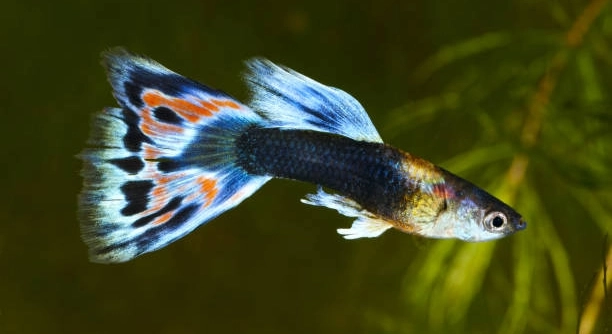
Are your guppies not eating as they usually do? This can be concerning, but it’s not uncommon. Guppies, like any pet, can experience changes in their appetite for various reasons.
Several factors could be causing your guppies to lose their appetite, such as poor water conditions, stress, illness, or even the type of food offered. Identifying the underlying issue is key to getting them back to their healthy, hungry selves.
Understanding the causes behind your guppies’ loss of appetite can help you improve their health and environment. Keep reading for practical tips and advice!
Poor Water Quality
Water quality is essential to the health of your guppies. If the water is polluted or contains harmful chemicals, your guppies may stop eating. Over time, bad water can lead to stress and health issues, making your guppies reluctant to eat. It’s vital to regularly check the temperature, pH levels, and ammonia or nitrite levels. High ammonia or nitrite levels are especially harmful and should be dealt with immediately to avoid further stress. A reliable water testing kit can help you monitor these factors.
To maintain good water quality, aim for regular water changes, usually about 25% per week. Using a good filter also helps keep the water clean, but don’t forget to clean it regularly.
Ensuring your guppies have clean water isn’t just about removing debris; it’s about creating an environment where they can thrive. Proper water care is key to restoring their appetite. Keeping water conditions optimal also prevents future health problems, so always make water checks a priority.
Stress from Tankmates
Sometimes, stress from other fish or tankmates can cause your guppies to stop eating. Aggressive fish can create an environment of fear, leading to poor eating habits. Even peaceful tankmates can stress your guppies if they crowd them or compete for space. If your guppies feel threatened, they’ll focus more on survival than eating.
Fish like bettas or larger species can easily bully smaller fish like guppies, so it’s important to ensure your tankmates are compatible. Consider separating overly aggressive fish or reorganizing your tank to give more space.
Also, avoid overcrowding the tank, as this can lead to stress and make it harder for your guppies to find food. Guppies are social, but they need space to thrive. A well-arranged tank can promote peace and encourage them to eat properly. The right balance of fish will help keep your guppies calm and more likely to eat regularly.
Illness or Disease
If your guppies are sick, they may lose their appetite. Many illnesses, like parasites or bacterial infections, affect their digestive systems and can make eating uncomfortable or unappealing. Signs of illness include lethargy, faded colors, and unusual swimming patterns. If you suspect an illness, it’s essential to act quickly to prevent further harm.
In some cases, you may notice that guppies are still swimming but are not eating, which is a common sign of sickness. It’s crucial to separate sick fish from the rest of the tank to prevent the spread of disease.
Treating the underlying illness is the best way to help your guppies regain their appetite. You can use appropriate medications based on the diagnosis. Monitoring your fish closely will also help you track their recovery. Ensuring that their tank is clean and free from harmful bacteria will give them the best chance to heal.
Poor Diet or Overfeeding
Sometimes guppies lose their appetite because they aren’t getting the right food or are being overfed. Guppies need a balanced diet consisting of high-quality fish flakes, frozen or live foods, and occasional treats. Offering them a variety of food helps to keep them interested and healthy.
Overfeeding can cause uneaten food to rot, which contaminates the water and further reduces the quality. It can also lead to digestive problems, making guppies less likely to eat. Stick to feeding them small portions a couple of times a day, only offering as much as they can consume in a few minutes.
If you’re not sure what food to provide, experiment with different types to find out what your guppies prefer. They may enjoy live or frozen foods, like brine shrimp or daphnia, more than flake food. Giving them a mix of foods helps keep them excited about mealtime and encourages a healthier eating pattern.
Temperature Fluctuations
Guppies are sensitive to temperature changes, and extreme fluctuations can make them lose their appetite. If the water gets too cold or too warm, they may become stressed and unwilling to eat. The ideal water temperature for guppies is between 74°F and 82°F (23°C and 28°C).
Consistently keeping the water temperature within this range helps your guppies feel comfortable and encourages healthy feeding habits. Using a reliable aquarium heater can help maintain a stable temperature, especially in colder environments. Avoid placing the tank near drafts, windows, or direct sunlight, as these can cause sudden changes in temperature.
If the water temperature fluctuates too much, your guppies may exhibit signs of stress, like hiding or lethargy. This can further affect their appetite. Keeping the temperature stable and using a thermometer regularly ensures your guppies remain active and eager to eat.
Water Chemistry Imbalance
Water chemistry is another crucial factor. Guppies require water with a specific balance of pH, hardness, and alkalinity to stay healthy. If the pH or hardness is off, your guppies may stop eating. Regular testing can help you maintain optimal water conditions.
The pH level should be between 6.8 and 7.8, which is mildly alkaline. If the pH is too low (acidic) or too high (alkaline), it can stress your guppies, making them less likely to feed. Similarly, hard or soft water can also affect their behavior. Too soft or too hard water can result in poor appetite and overall health.
Keeping track of water chemistry ensures that your guppies remain comfortable and encourages them to eat. Make sure to adjust your tank’s water parameters as needed by using water conditioners or adjusting your water source. Healthy water chemistry helps prevent potential issues and supports your guppies’ appetite and wellbeing.
Overcrowding in the Tank
Overcrowding can cause stress and reduce your guppies’ appetite. When too many fish are in one tank, it can make them feel cramped, limiting their ability to move freely and find food. Always make sure there’s enough space for each fish to swim comfortably.
A good rule of thumb is to have one inch of fish per gallon of water. If your tank feels overcrowded, consider adding a larger tank or removing some fish. This will not only help your guppies feel less stressed but will also allow them to feed without competition.
Inappropriate Tank Size
If your guppies are housed in a tank that’s too small, it can cause them stress, leading to a loss of appetite. Guppies need space to swim and explore, and a cramped tank can make them feel anxious.
A small tank with inadequate filtration can also cause water quality issues, which further impacts their health and feeding behavior. Make sure your tank is large enough to support the number of guppies you have, ensuring they have room to thrive. For a group of guppies, a 10-gallon tank is often a minimum.
Feeding Schedule Issues
Inconsistent feeding schedules can disrupt your guppies’ eating habits. If they don’t know when to expect food, they may become less interested in eating altogether. A regular feeding routine helps establish expectations for your guppies.
Try feeding them at the same time every day, and only offer what they can eat in a few minutes. Over time, they will become accustomed to the schedule and may eat more readily. Avoid overfeeding, as this can create waste buildup, further affecting water quality and appetite.
FAQ
What should I do if my guppies won’t eat for a few days?
If your guppies haven’t eaten for a few days, it’s essential to rule out common issues like poor water quality or stress. Check the water temperature, pH levels, and ammonia or nitrite levels. If the conditions are off, make adjustments. If the water seems fine, monitor your fish for signs of illness. If they continue to refuse food, consider separating sick fish and treating them with medication. It’s important to stay patient and address any underlying issues before things worsen.
Can stress cause my guppies to stop eating?
Yes, stress can lead to a lack of appetite in guppies. Stress can come from various sources, such as aggressive tankmates, overcrowding, or sudden changes in the tank environment. If your guppies are constantly hiding or acting unnaturally, stress might be the cause. To reduce stress, ensure your tank has enough space, suitable water conditions, and compatible fish.
How can I improve the water quality for my guppies?
Improving water quality involves several steps: test the water regularly for ammonia, nitrite, and pH levels, and change 25% of the water weekly. Use a good filtration system, and avoid overfeeding, as leftover food can contaminate the water. Keep the water temperature stable, as fluctuating temperatures can stress your guppies.
What types of food should I offer my guppies?
Guppies enjoy a varied diet, including high-quality flake food, live or frozen foods like brine shrimp or daphnia, and occasional vegetable matter like blanched spinach or peas. Offering a mix of foods ensures they get all the nutrients they need. Avoid overfeeding, as uneaten food can pollute the water.
Could my guppies be sick if they’re not eating?
Yes, if your guppies aren’t eating, it could be a sign of illness. Look for other signs, like abnormal swimming, faded colors, or lethargy. Some common illnesses in guppies include parasites, bacterial infections, and swim bladder disorder. If you suspect your guppy is sick, separate it from the others and begin treatment immediately.
Is it normal for guppies to stop eating during breeding?
Yes, guppies might eat less or stop eating temporarily during breeding periods. Female guppies, in particular, may avoid food when they’re heavily pregnant or stressed by the presence of males. However, if the behavior lasts too long, or if there are other signs of distress, check water conditions and consider other possible causes.
Can I use a heater in my guppy tank?
Yes, using a heater is highly recommended for guppies, especially if the room temperature is not consistently within the ideal range (74°F to 82°F or 23°C to 28°C). A stable water temperature ensures your guppies remain comfortable and active, which can improve their eating habits. Be sure to choose a reliable, adjustable heater and monitor the water temperature regularly.
How can I tell if my guppy is stressed?
Signs of stress in guppies include hiding, lethargy, loss of color, erratic swimming, and loss of appetite. If your guppy is showing these signs, it’s important to check the water conditions, tankmates, and overall environment. Stressed guppies are more prone to illness, so addressing the source of stress quickly is key.
Do guppies stop eating when they are full?
Guppies generally stop eating when they are full. Overfeeding can cause uneaten food to remain in the tank, which can degrade water quality. Offer small portions of food two to three times a day, only what they can consume in a few minutes, to avoid both overeating and water contamination.
Can guppies eat different types of fish food?
Yes, guppies can eat various types of fish food, including flakes, pellets, and freeze-dried or frozen foods like brine shrimp, daphnia, and bloodworms. Make sure the food is specifically designed for small fish like guppies. Offering different types of food can help keep them interested and ensure they get the necessary nutrients.
How often should I feed my guppies?
Feed your guppies 2-3 times a day, offering only as much food as they can consume in a few minutes. Avoid feeding them large amounts in one go, as this can cause uneaten food to spoil and degrade water quality. A regular feeding schedule helps keep your guppies healthy and encourages consistent eating habits.
Why do my guppies stop eating after a water change?
After a water change, guppies may be stressed or disoriented from the sudden change in their environment. It’s essential to make sure the water temperature, pH, and ammonia levels are balanced. Gradually introducing any changes and keeping the tank stable will help your guppies adapt more comfortably, improving their appetite.
What’s the best tank size for guppies?
The minimum recommended tank size for a group of guppies is 10 gallons. Larger tanks provide more space to swim, reducing stress and improving their overall well-being. A larger tank also helps maintain better water quality, which is essential for keeping guppies healthy and encouraging them to eat.
Is it normal for my guppy to be picky about food?
Guppies can sometimes be picky eaters, especially if they’re used to a certain type of food or if the food isn’t fresh. If your guppy refuses food, try offering different varieties to see what they prefer. Ensure the food is appropriate for guppies and is stored correctly to maintain its quality.
How do I know if my guppy is sick or just not hungry?
If your guppy is not eating but seems active and healthy, they might just be temporarily uninterested in food. However, if they are lethargic, have faded colors, or show abnormal swimming patterns, they could be sick. If your guppy shows signs of illness, separate it from the others and begin treatment.
How long can guppies go without food?
Guppies can go without food for up to 3-4 days, though this isn’t ideal. They are hardy fish, but skipping meals can affect their health in the long run. If your guppy isn’t eating, it’s important to determine the underlying cause—whether it’s stress, illness, or poor water quality—and address it promptly.
Final Thoughts
Guppies are generally hardy fish, but there are many factors that can cause them to lose their appetite. Water quality, temperature, stress, overcrowding, and diet all play a significant role in their eating habits. Ensuring a stable environment, free from extreme fluctuations, is one of the most important steps in keeping your guppies healthy and eating well. Regular water changes, monitoring water chemistry, and maintaining proper filtration can prevent many of the issues that lead to a lack of appetite.
Understanding the reasons behind a loss of appetite is crucial for addressing the issue promptly. If your guppies are stressed by aggressive tankmates or overcrowding, it’s important to reorganize the tank to give them more space. A peaceful and well-organized environment allows your fish to feel more comfortable and less anxious, which will help them return to their regular eating habits. If there are signs of illness, separating the sick fish and offering appropriate treatment can help them recover faster. Be sure to observe your fish closely for any signs of distress or illness, as early detection is key to a speedy recovery.
Lastly, offering a variety of foods and sticking to a regular feeding schedule can also encourage guppies to eat. Overfeeding can be just as harmful as underfeeding, so make sure you’re only providing what your guppies can eat within a few minutes. A balanced, varied diet helps keep them engaged and healthy. With patience and the right care, your guppies will likely get back to their normal, healthy eating habits. Always remember that a little bit of attention and proper tank management can go a long way in maintaining your guppies’ health and happiness.

Hello,
If you enjoy the content that we create, please consider saying a "Thank You!" by leaving a tip.
Every little bit helps us continue crafting quality advice that supports the health, happiness, and well-being of pets around the world, for pets of all shapes, sizes, and species.
We really appreciate the kindness and support that you show us!