
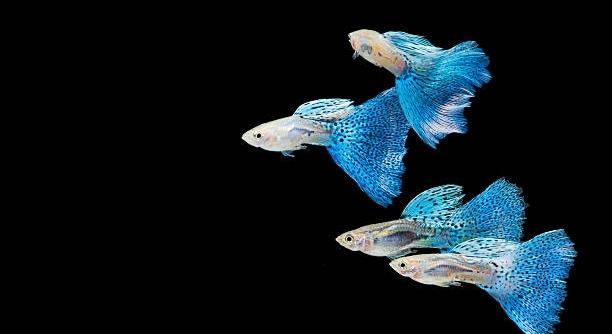
Are your guppies hovering in the same spot and you’re unsure why? This behavior can be puzzling for many fish owners. Understanding why your guppies behave this way can help ensure they stay happy and healthy in their tank.
Guppies may hover in the same spot for several reasons, including stress, water quality issues, hunger, or a lack of space. Additionally, they may be reacting to changes in their environment or simply taking a break from swimming.
Knowing the reasons behind this behavior is key to resolving it. There are steps you can take to improve their environment and help them thrive.
Stress in Guppies: A Major Factor
Guppies can experience stress from several factors, and it’s one of the most common reasons they hover in place. This can be caused by sudden changes in their environment, like temperature shifts, loud noises, or even overcrowding. Stress can affect their overall health, making them feel vulnerable and unsure about swimming freely. When stressed, guppies often seek a spot to remain still, as they are trying to feel safe.
Stress can also result from territorial issues, especially if your tank has other fish that are more aggressive. Guppies are peaceful creatures, and a stressful environment may lead to them hovering instead of swimming around. If your tank is too small or if they don’t have enough hiding spots, stress levels will rise.
Addressing stress means improving their habitat. Check for any disturbances in their environment, keep water parameters stable, and ensure there is enough space for each fish to feel comfortable. Reducing stress will help your guppies become more active and healthy.
Water Quality Issues: A Silent Problem
Water quality can directly impact the behavior of your guppies. Poor water conditions, such as high ammonia or nitrate levels, can lead to them becoming lethargic and hovering in place. Guppies are sensitive to these changes, so it’s essential to maintain clean, well-filtered water.
To keep your guppies thriving, perform regular water changes and test the water for harmful toxins. If necessary, improve filtration to keep the water clean. Healthy water promotes healthy fish, ensuring they stay active and lively in their tank.
Hunger and Feeding Habits
If your guppies are not getting enough food, they may hover in place, waiting for something to eat. Guppies are small fish and may feel the need to stay in one area if they are searching for food or competing for it. Over time, they may get frustrated and swim less.
To ensure your guppies are properly fed, provide small portions multiple times a day rather than one large feeding. Overfeeding can cause water quality issues, so it’s important to find the right balance. Guppies thrive on a variety of foods, such as flakes, pellets, and occasional live foods.
Make sure they have access to food at regular intervals, but don’t let uneaten food remain in the tank for too long. This will help them stay active and healthy without overfeeding them.
Lack of Space and Swimming Area
Guppies need enough space to move around comfortably. If the tank is overcrowded or too small, your guppies might hover in one spot because they don’t have room to swim freely. They can feel trapped and stressed in a cramped space, which impacts their behavior.
Providing a larger tank with plants and decorations will allow your guppies to swim around and explore. Even with a smaller tank, make sure they have enough space to move around without bumping into other fish. The more room they have, the more likely they will swim actively instead of hovering in place.
By giving them room to move, you’ll create a happier environment. Active fish are healthier, more colorful, and less prone to stress-related behaviors. It’s important to consider the number of guppies in relation to the size of the tank as well.
Tank Mates and Aggression
Guppies are peaceful fish, but if they are in a tank with aggressive tank mates, they may hover in one spot to avoid being bullied. Fish like bettas or larger species can stress guppies out, leading them to hide or stay still.
If aggression is an issue, consider separating your guppies from more aggressive fish. Providing plenty of hiding spots, like plants or decorations, can also help guppies feel safer and avoid conflict. Keeping peaceful species together will prevent them from hovering and allow them to swim freely.
Temperature Changes
Sudden shifts in temperature can make guppies hover in one spot. Guppies are sensitive to water temperature, and dramatic changes may cause them to become sluggish or stressed. It’s important to keep the temperature stable for their well-being.
Use a reliable heater to maintain consistent warmth in the tank. Guppies prefer water between 72°F and 82°F. If the temperature fluctuates too much, they may spend more time hovering in one place, trying to adjust to the uncomfortable conditions. Keeping the tank temperature stable helps them stay active.
Water Movement
Guppies are small, and strong currents can overwhelm them, making them hover in one place. If the water flow in your tank is too fast or too strong, they may struggle to swim and will often hover near calmer areas.
Adjust the filter or add more plants to break the current. This creates areas with less movement where your guppies can rest without being swept away. Reducing strong water flow will make your guppies more comfortable and encourage more natural swimming behavior.
FAQ
Why are my guppies staying near the surface of the water?
Guppies often hover near the surface of the water when they are searching for oxygen. If the oxygen level in the tank is low, they may swim up to the surface to get air. This can happen if your tank is overcrowded or if the water isn’t properly aerated. Adding an air pump or improving surface agitation can help increase oxygen levels. Ensure the tank is well-ventilated and clean, and make sure there is enough water movement to prevent stagnation.
Can guppies hover in one spot because of stress from other fish?
Yes, guppies can become stressed if there are aggressive fish in the tank. They are peaceful by nature, and fish like bettas, cichlids, or larger fish can make them feel threatened. When stressed, guppies may hover in a specific spot or hide to feel safe. If you notice this behavior, try moving the more aggressive fish to a separate tank or adding hiding spots like plants or rocks. This gives your guppies a sense of security and reduces stress.
How can I tell if my guppies are sick?
If your guppies are hovering in one spot, it could be a sign of illness. Look for other symptoms, such as faded color, loss of appetite, or abnormal swimming patterns. If they are acting sluggish and are not interacting with other fish, it may be time to check for signs of disease. Ensure the water quality is optimal and that there are no parasites or infections present. Quarantine sick fish if needed, and consult a veterinarian for advice on treatment.
Is it normal for guppies to hover when they are mating?
Yes, sometimes guppies hover in one spot when mating. Male guppies tend to chase the females, and during this time, you may notice hovering as part of the courtship ritual. However, if you see the same behavior outside of mating, it could be related to other factors such as stress or water quality. Ensure that there are enough hiding spots for the females if you have multiple males in the tank, as males can become persistent in their attempts to mate.
Can temperature changes cause guppies to hover in place?
Yes, sudden changes in water temperature can stress guppies and cause them to hover. Guppies are sensitive to temperature fluctuations and may become lethargic or unsteady if the water gets too warm or too cold. Keep your tank temperature stable between 72°F and 82°F. Use a reliable aquarium heater and thermometer to monitor the water temperature, especially in rooms with significant temperature changes. This helps prevent your guppies from becoming stressed and encourages them to swim around freely.
How often should I feed my guppies?
Overfeeding or underfeeding can lead to problems such as hovering behavior. Guppies should be fed small amounts of food two to three times a day. Make sure they can eat all of the food within a few minutes. Overfeeding can pollute the water, affecting the water quality and causing stress. On the other hand, underfeeding can make them weak and cause them to stay still while searching for food. Provide a variety of food types, including high-quality flakes, pellets, and occasional live food for a balanced diet.
What should I do if my guppy seems to be always hovering in the same spot?
If your guppy is consistently hovering in the same spot, it’s important to investigate potential causes. Check the water quality first, as poor conditions can make them feel unsafe. Then, look for signs of stress, hunger, or illness. If the water is clean and stable but the behavior persists, consider if the tank is too crowded or if they are being bullied by other fish. Providing hiding places or rearranging the tank may help reduce stress. Ensure they are eating properly and not exposed to any aggressive tank mates.
Can my guppies hover if they are too hot or too cold?
Yes, extreme temperatures can make guppies hover. If the water is too warm or too cold, they may struggle to swim and choose to stay still to conserve energy. Guppies prefer water temperatures between 72°F and 82°F, and anything outside of this range can cause stress. Use a stable heater and thermometer to maintain the ideal temperature in your tank. If temperatures fluctuate too much, it can lead to lethargy, causing your guppies to hover in one place.
What are some signs that my guppies are not getting enough oxygen?
If your guppies are staying near the surface or hovering at the top of the tank, they may be trying to get more oxygen. Signs of low oxygen levels include rapid gill movement, fish staying at the surface, or reduced activity. To improve oxygenation, you can increase water movement with an air pump or adjust the filter flow. Adding live plants can also help boost oxygen levels by producing oxygen during photosynthesis.
Is it possible that my guppies are hovering because of poor water quality?
Yes, poor water quality is a leading cause of hovering in guppies. If the ammonia, nitrite, or nitrate levels in the tank are too high, your guppies may become stressed and stay still in one spot. Regularly test the water and perform water changes to maintain safe levels of chemicals in the tank. A good filtration system can also help keep the water clean. Make sure your guppies’ environment is stable, and clean the tank frequently to avoid water quality issues.
Final Thoughts
When you notice your guppies hovering in one spot, it can be concerning. However, it’s important to remember that guppies are delicate fish, and their behavior often reflects the conditions of their environment. Stress, poor water quality, hunger, or temperature changes can all lead to this kind of behavior. Understanding the root causes is the key to addressing the issue and ensuring your guppies stay healthy. By regularly checking water quality, maintaining a stable temperature, and providing a stress-free environment, you can reduce the chances of this happening.
If you’re seeing hovering behavior, the first thing to check is the water quality. Guppies are particularly sensitive to ammonia, nitrates, and nitrites, and poor water conditions can quickly lead to stress. Regular water changes, proper filtration, and testing the water regularly will help you keep the tank conditions safe. If your guppies are stressed from overcrowding or aggression from other fish, you may need to adjust the tank’s layout or separate incompatible species. Adding plants, rocks, and hiding spaces can provide a sense of security for your guppies, reducing their need to hover.
Finally, guppies are small and sensitive creatures, and paying attention to their behavior can help you prevent problems before they become serious. If you notice them hovering regularly, it’s a sign that something is off in their environment. With some careful adjustments, like improving the water quality, reducing stress, or adjusting feeding routines, you can create a healthy, comfortable environment for your guppies. A little attention to detail goes a long way in ensuring their well-being, and you’ll likely see them swimming freely and happily once again.

Hello,
If you enjoy the content that we create, please consider saying a "Thank You!" by leaving a tip.
Every little bit helps us continue crafting quality advice that supports the health, happiness, and well-being of pets around the world, for pets of all shapes, sizes, and species.
We really appreciate the kindness and support that you show us!