
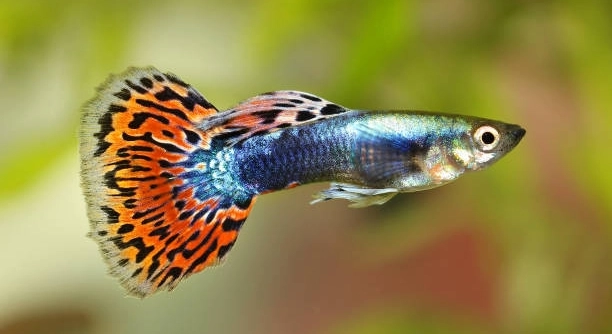
Guppies are popular fish for many aquarium owners, thanks to their colorful appearance and active nature. However, it can be concerning when these lively fish start gasping for air at the surface of the tank.
Guppies may gasp for air due to poor water quality, low oxygen levels, diseases, overcrowding, temperature stress, inappropriate tank setup, or stress from aggressive tank mates. Identifying the cause is key to resolving this issue quickly and effectively.
By addressing the underlying causes, you can help your guppies breathe easier and stay healthy. Understanding the different factors at play will ensure your tank remains a safe and thriving environment for your fish.
Poor Water Quality
One of the most common reasons why guppies gasp for air is poor water quality. If your tank is filled with toxins, such as ammonia, nitrites, or nitrates, it can lead to a lack of oxygen in the water. These substances usually build up when the tank is not properly maintained or when water changes are infrequent. Guppies rely on clean water to breathe comfortably, and when the quality deteriorates, they can start gasping at the surface for air, trying to compensate for the lack of oxygen.
Water testing is a quick way to check if any harmful chemicals are present. If the water quality is poor, you’ll need to take immediate action by performing a water change and adding a good filtration system.
Regular water changes, keeping your tank clean, and ensuring your filter is functioning properly can prevent this issue. Maintaining proper water conditions is essential for your guppies to stay healthy and active, without the need to gasp for air.
Low Oxygen Levels
In addition to poor water quality, low oxygen levels can also cause your guppies to gasp for air. This happens when there isn’t enough dissolved oxygen in the water for your fish to breathe easily. Oxygen levels can decrease for several reasons, including overcrowding, lack of water movement, or a filter that isn’t providing enough circulation.
Oxygen is essential for all fish, including guppies. You can increase oxygen levels by ensuring proper tank filtration and adding an air pump or aerator to promote water movement. Additionally, make sure your tank is not overcrowded with too many fish, as this can cause the oxygen levels to drop.
Diseases and Infections
When guppies are suffering from diseases or infections, they may gasp for air as part of their distress. Bacterial or parasitic infections can harm their gills, making it difficult to take in enough oxygen. These health issues often lead to rapid breathing and surface gasping.
If you notice unusual behavior like this, closely inspect your guppy for signs of illness such as cloudy eyes, lesions, or abnormal swimming patterns. It’s important to identify the disease early and treat it accordingly. Treatment might involve adding medications to the tank, isolating sick fish, or improving water conditions to support recovery.
A stress-free environment, with clean water and proper care, helps prevent infections. Regular observation of your fish can allow you to spot potential issues before they get worse, ensuring your guppies stay healthy and comfortable in their habitat.
Overcrowding
Overcrowding can lead to several issues in your aquarium, including low oxygen levels, which may cause guppies to gasp for air. When too many fish share a small space, there’s less oxygen available for each fish, making it harder for them to breathe.
You should avoid overcrowding by sticking to the recommended number of fish for the size of your tank. A well-planned setup ensures each fish has enough room to swim and access to oxygen. Overcrowding can also cause additional stress, weakening your guppies’ immune systems and making them more vulnerable to diseases.
If your tank is overcrowded, consider reducing the number of fish, upgrading to a larger tank, or adding more filtration. Providing more space will not only improve oxygen levels but also promote a healthier and happier environment for your guppies.
Temperature Stress
Guppies are sensitive to temperature changes. If the water is too hot or too cold, they may start gasping for air. Sudden fluctuations in water temperature can cause stress, which affects their breathing and overall health.
To prevent temperature stress, keep your aquarium within the ideal range of 72-82°F (22-28°C). A reliable aquarium heater can help maintain a steady temperature, while a thermometer allows you to monitor changes regularly. Stress from temperature variations can be avoided by setting up your tank in a stable environment away from heat sources or drafts.
Improper Tank Setup
An improper tank setup can affect your guppies’ ability to breathe properly. If your tank lacks adequate filtration, aeration, or space, it can lead to poor water quality and insufficient oxygen.
Make sure your aquarium is equipped with a good filtration system and provides ample surface area for oxygen exchange. Properly positioned aerators or air stones can also improve water circulation and oxygen levels, making it easier for your guppies to breathe. The right setup helps maintain a healthy balance in the tank, allowing your fish to thrive without struggling for air.
FAQ
Why are my guppies staying at the surface of the water?
If your guppies are spending a lot of time near the surface of the tank, it could be because of low oxygen levels in the water. They may be trying to breathe easier by coming closer to the surface where oxygen is more readily available. Another common reason could be poor water quality, which prevents proper oxygen exchange. If your water parameters are off, your guppies might be struggling to breathe comfortably. Check your filter, do regular water changes, and test the water for ammonia, nitrites, and nitrates to ensure it’s clean and healthy.
How can I improve oxygen levels in my aquarium?
To improve oxygen levels, make sure your tank is well-aerated. You can add an air pump or air stones, which will help increase surface agitation and boost oxygen exchange. Additionally, ensure that your filter is working efficiently and that your tank is not overcrowded. Water movement can help mix oxygen into the water, so gentle water agitation can be beneficial. Performing regular water changes also helps refresh oxygen levels and remove waste that might be consuming the oxygen. Ensuring proper filtration and avoiding overfeeding are simple steps that can maintain healthy oxygen levels.
Should I be concerned if my guppy is gasping for air?
It’s definitely something to pay attention to, as gasping for air can be a sign of several issues. Guppies usually don’t gasp unless they’re struggling to breathe. This could be due to low oxygen levels, poor water quality, or stress. If the problem persists, it could indicate a more serious underlying issue, such as disease or infection. You should check your water parameters, ensure your filter is working, and look for signs of illness in your guppies. If necessary, isolate any affected fish to prevent further spread of disease.
Can high temperatures make guppies gasp for air?
Yes, high temperatures can cause guppies to gasp for air. As the water gets warmer, the oxygen levels in the water naturally decrease. Guppies need oxygen to breathe, and when there isn’t enough in the water, they may move to the surface to get more. Keeping the tank temperature within the recommended range of 72-82°F (22-28°C) is important to avoid this issue. If the temperature rises above this range, consider using a cooling fan or lowering the heater to help bring it back to normal levels. Always monitor the temperature regularly to prevent stress on your guppies.
How can I tell if my guppy has a disease?
Diseases in guppies can present in several ways, including abnormal swimming behavior, discoloration, lesions, or bloating. A sick guppy may swim erratically or stay near the surface gasping for air. If your guppy is infected with a parasite or bacteria, you may notice spots, swollen areas, or cloudy eyes. You should also check for changes in appetite and overall activity level. If you notice any of these symptoms, it’s important to isolate the sick fish and treat the tank with appropriate medication based on the diagnosis. Early detection and treatment will improve your guppy’s chances of recovery.
How do I keep my guppies from being stressed?
Stress can make guppies more susceptible to diseases and cause them to gasp for air. To reduce stress, ensure that the tank has plenty of space and that the water quality is maintained. Guppies are social fish, so keep them in small groups, but avoid overcrowding. Also, make sure the tank setup includes hiding spots like plants or decorations, which allow the fish to feel safe. Sudden changes in water temperature or lighting can stress them out, so keep the tank environment stable. Minimize loud noises and avoid placing the tank in a high-traffic area to reduce external stress factors.
Can guppies gasp for air due to bad water quality?
Yes, poor water quality is a leading cause of gasping in guppies. When there are high levels of ammonia, nitrites, or nitrates in the water, it can make it harder for your fish to breathe properly. Dirty water can reduce oxygen levels and cause chemical imbalances that stress your guppies. Regular water changes and a good filtration system can help prevent this issue. Testing the water regularly and maintaining proper tank hygiene are key to avoiding poor water quality. If you spot gasping behavior, perform an immediate water change to improve conditions.
What should I do if my guppies are overcrowded?
If your guppies are overcrowded, the water quality will deteriorate quickly, and oxygen levels will drop, leading to gasping and stress. To fix this, you need to either reduce the number of fish in the tank or upgrade to a larger tank. Follow the general rule of one inch of fish per gallon to avoid overcrowding. You should also improve filtration and aeration to help with oxygen exchange. Consider adding plants to the tank, as they provide oxygen during the day and also help in keeping the water clean. Removing excess fish and adjusting your tank setup will help your guppies breathe easier.
How do I know if my filter isn’t working properly?
If your filter isn’t working correctly, it can lead to poor water quality and oxygen depletion. Signs of a malfunctioning filter include murky water, unpleasant odors, or visible debris accumulating in the tank. If your guppies are gasping for air, it may be a sign that the filter isn’t providing enough circulation or oxygenation. Check your filter regularly to ensure it’s clean and running efficiently. If you notice any issues, clean or replace the filter media and ensure that the filter is properly sized for your tank. A functional filter is key to maintaining a healthy environment for your guppies.
Final Thoughts
Guppies gasping for air is a common issue that many aquarium owners may face at some point. It can be a sign of stress, poor water quality, low oxygen levels, or even health problems. While it may seem worrying, understanding the potential causes can help you quickly address the situation and improve the health of your guppies. By paying close attention to the water quality, temperature, and the overall condition of your tank, you can provide a better environment for your fish to thrive.
Regular maintenance is key to preventing gasping in guppies. Make sure to test your water regularly and perform water changes as needed to keep harmful substances like ammonia and nitrites in check. Proper filtration and aeration are essential for maintaining healthy oxygen levels, especially in tanks with multiple fish. Additionally, ensuring that your tank is not overcrowded will help maintain a balanced and less stressful environment. By creating a suitable environment for your guppies, you’ll reduce the chances of them struggling to breathe and avoid other health problems.
Finally, always be vigilant about the health of your guppies. If you notice any unusual behavior, such as excessive gasping or signs of illness, it’s important to take action quickly. Isolating sick fish and treating them promptly can prevent the spread of diseases. By understanding the reasons behind why your guppies might be gasping for air and taking steps to improve their environment, you can ensure they remain happy, healthy, and active for a long time. Keeping a consistent care routine will help your guppies live their best lives and reduce any worries about their well-being.

Hello,
If you enjoy the content that we create, please consider saying a "Thank You!" by leaving a tip.
Every little bit helps us continue crafting quality advice that supports the health, happiness, and well-being of pets around the world, for pets of all shapes, sizes, and species.
We really appreciate the kindness and support that you show us!