
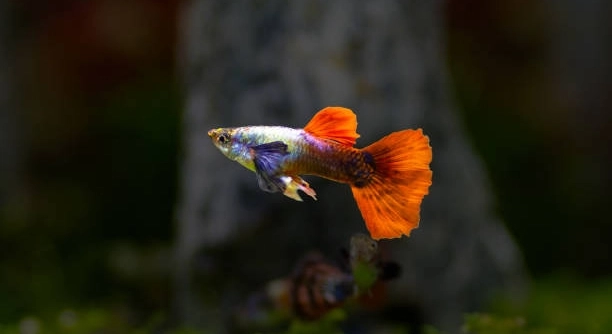
Guppies are a popular and lively fish in many home aquariums. However, it can be concerning when they start floating upside down. This odd behavior may be a sign of an underlying issue that needs attention.
Floating upside down in guppies is often caused by swim bladder issues, poor water quality, or even stress. Various other health concerns like infections, overfeeding, or injuries can also lead to this unusual behavior.
Understanding why your guppy is floating upside down can help you identify the cause and address it quickly. Keep reading to learn about the common reasons and how you can help your fish return to normal.
Swim Bladder Problems
One of the most common reasons for guppies floating upside down is a problem with their swim bladder. The swim bladder is an organ that helps fish control their buoyancy. If this organ becomes damaged or infected, it can cause issues with their ability to float properly. Guppies with swim bladder problems may struggle to maintain their balance, which leads to them floating upside down or struggling to stay at the proper water level.
The swim bladder can be affected by infections, poor water conditions, or trauma. These issues may make it harder for the fish to swim and can cause them to appear upside down.
To help your guppy, it is important to check the water quality regularly, ensuring that levels of ammonia, nitrites, and nitrates are within safe limits. If the fish has an infection, medications specifically designed for swim bladder disorders can help. In more severe cases, a visit to a vet who specializes in fish health may be necessary.
Poor Water Quality
Water quality plays a major role in the health of your guppies. If the water conditions are poor, they can stress your fish and contribute to floating issues. High levels of toxins like ammonia or nitrites can irritate the fish, leading to abnormal swimming patterns, including floating upside down.
Regularly cleaning the tank and performing water changes is crucial to maintaining a healthy environment. Monitoring your water’s pH, temperature, and chemical levels ensures that your guppies remain comfortable and safe.
Overfeeding
Overfeeding your guppy can lead to serious health problems, including floating upside down. When fish consume more food than they can digest, it causes digestive issues. This excess food can also create a buildup of waste in the water, which worsens water quality and adds stress to the fish.
If a guppy is overfed, its stomach may become bloated, which can interfere with its ability to swim properly. This can lead to abnormal buoyancy, and the fish may struggle to stay upright. To prevent overfeeding, offer small portions of food, only as much as they can consume within a few minutes.
Once you adjust the feeding schedule and quantity, your guppy’s digestive system should improve. Keeping the water clean and well-filtered will also help reduce the negative effects of overfeeding. Monitor the fish for signs of recovery and be mindful of their eating habits going forward.
Stress
Stress can be a silent contributor to your guppy’s strange behavior, including floating upside down. It may be caused by factors such as loud noises, too many fish in the tank, sudden temperature changes, or even aggressive tankmates. When stressed, guppies may have trouble regulating their swimming and buoyancy.
To reduce stress, ensure your fish are in a calm and stable environment. Properly stocking the tank with the right number of fish, maintaining consistent water temperature, and avoiding sudden changes in the tank can help. Additionally, adding hiding spots or plants in the aquarium can provide comfort and a sense of security for the guppies.
Injury
Injuries from fighting or collisions with tank decorations can cause a guppy to float upside down. These injuries may affect their buoyancy or cause internal damage, leading to abnormal swimming patterns. Always observe your fish for signs of physical trauma, like bruising or cuts.
If your guppy is injured, it is best to remove it from the main tank and place it in a separate quarantine tank to heal. Providing a stress-free, clean environment will help them recover. You may need to treat the injury with medication, depending on the severity.
Infection
Infections, particularly those affecting the swim bladder, can cause guppies to swim upside down. Bacterial or parasitic infections can disrupt their ability to control buoyancy. These conditions may result from poor water quality or stress, and without treatment, infections can worsen.
Properly treating infections requires medications specific to the type of illness affecting your guppy. Identifying the infection early on is crucial for successful treatment. Keeping your tank clean and monitoring the fish’s behavior will help prevent infections from spreading.
Genetics
Genetics can play a role in abnormal swimming behavior. Some guppies are genetically predisposed to issues with their swim bladder, making them more likely to float upside down. This trait may show up after they reach a certain age, especially if bred in less-than-ideal conditions.
FAQ
Why is my guppy floating upside down but still alive?
A guppy floating upside down and still alive could be dealing with a mild swim bladder issue, poor water quality, or stress. In these cases, the fish may still be able to eat and swim for a short time but is struggling to maintain its balance. It’s important to address the underlying cause quickly. Check the water parameters, avoid overfeeding, and provide a peaceful environment. If the issue persists, consider treating the fish for possible infections or consulting an aquarium specialist.
Can overfeeding cause a guppy to float upside down?
Yes, overfeeding can cause a guppy to float upside down. When a guppy eats too much, its stomach can become bloated, which interferes with its ability to maintain proper buoyancy. Additionally, excess food can create waste that harms water quality, leading to further health issues. To avoid this, feed your guppy small portions that they can consume in a few minutes and remove any uneaten food from the tank promptly.
What should I do if my guppy is floating upside down?
If your guppy is floating upside down, start by checking the water quality. Ensure that ammonia, nitrite, and nitrate levels are within safe ranges, and make any necessary adjustments. If the water is clean, consider whether overfeeding, stress, or injury could be factors. If the issue continues, you may want to quarantine the fish and treat it with medication specifically designed for swim bladder problems or infections.
Is there a way to fix swim bladder issues in guppies?
Swim bladder problems in guppies can often be improved by addressing the underlying cause. For instance, adjusting water temperature, performing regular water changes, and reducing stress can help. In some cases, medications designed for swim bladder disorders may help treat the problem. Additionally, feeding your guppy a varied diet, including high-quality food, can assist in digestion and prevent bloating. If the condition persists, you may need to consult with a veterinarian experienced in fish health.
Can swim bladder problems be permanent?
Swim bladder problems may not always be permanent, but if left untreated, they can lead to long-term issues. Early intervention is key to recovery. Many swim bladder issues can be resolved with proper treatment, clean water, and dietary changes. However, if the fish has a severe injury or infection that permanently damages the swim bladder, there may be long-lasting effects on its buoyancy.
How can I prevent my guppies from floating upside down?
To prevent your guppy from floating upside down, maintain a stable and clean environment. Regularly monitor water quality, avoid overfeeding, and ensure your guppy has a balanced diet. Keeping the tank temperature consistent and reducing stress factors, such as aggressive tankmates, will also help keep your fish healthy. Additionally, avoid sudden changes in water conditions and provide your guppy with enough space to swim comfortably.
Is floating upside down a sign of illness?
Floating upside down can be a sign of illness, but it’s not always the case. It can also indicate issues such as overfeeding, swim bladder problems, or environmental stress. If your guppy’s behavior is accompanied by other symptoms, like loss of appetite, abnormal swimming, or visible wounds, illness is likely the cause. It’s essential to observe your fish closely and take action if you notice any other concerning signs.
Can poor water quality cause guppies to float upside down?
Yes, poor water quality is a common cause of guppies floating upside down. High levels of ammonia, nitrites, or nitrates in the water can stress your fish and affect their buoyancy. In such cases, the fish may struggle to swim properly or maintain balance. Regular water changes, proper filtration, and testing water parameters can help maintain a healthy environment for your guppy.
Why is my guppy floating upside down after breeding?
After breeding, guppies may experience stress or physical exhaustion, leading to floating upside down. The process of breeding can weaken the fish, especially if the tank is overcrowded or the water quality is poor. It’s important to monitor the female guppy’s health after breeding, ensure the tank is free of stressors, and keep the water clean.
Can guppies recover from floating upside down?
Yes, many guppies can recover from floating upside down with proper care. The recovery process depends on the cause of the issue. If the cause is overfeeding or poor water quality, adjustments in diet and environment may lead to improvement. However, if the cause is an infection or injury, you may need to treat the fish with medication. The sooner you address the issue, the better the chances of recovery.
Should I isolate a guppy that is floating upside down?
It is generally a good idea to isolate a guppy that is floating upside down, especially if you suspect it has a disease or infection. By placing the fish in a quarantine tank, you can monitor it more closely and treat it without putting other fish at risk. Additionally, this gives the affected fish a chance to recover in a stress-free environment.
Final Thoughts
Seeing your guppy floating upside down can be worrying, but it’s important to stay calm and address the issue. While it could be a sign of something serious, there are often simple fixes that can help your fish recover. The first step is to assess the water quality in your tank. Poor water conditions are one of the most common causes of swimming problems in fish. By regularly checking the ammonia, nitrite, and nitrate levels, you can ensure your guppy’s environment is clean and healthy. Keeping up with routine water changes and ensuring proper filtration can prevent a lot of these issues from arising.
Another key factor to consider is overfeeding. Guppies are small fish with relatively small stomachs, so overfeeding can cause bloating, which may lead to floating upside down. Make sure you’re feeding your fish small amounts of food that they can consume within a few minutes. If you notice uneaten food left in the tank, be sure to remove it quickly to avoid harming the water quality. Offering a balanced diet with both dry and live foods can also help keep your guppy healthy and prevent digestive issues.
Lastly, stress can play a big role in causing abnormal swimming behaviors. Guppies are sensitive to sudden changes in their environment, overcrowding, or aggressive tankmates. Providing hiding spots and maintaining a calm tank can help reduce stress and allow your guppy to thrive. If you’re dealing with a sick or stressed fish, make sure to separate it from other fish to give it a chance to recover. Patience and attention to detail will help your guppy get back to swimming normally, and your aquarium will be a healthier place for all your fish.

Hello,
If you enjoy the content that we create, please consider saying a "Thank You!" by leaving a tip.
Every little bit helps us continue crafting quality advice that supports the health, happiness, and well-being of pets around the world, for pets of all shapes, sizes, and species.
We really appreciate the kindness and support that you show us!