
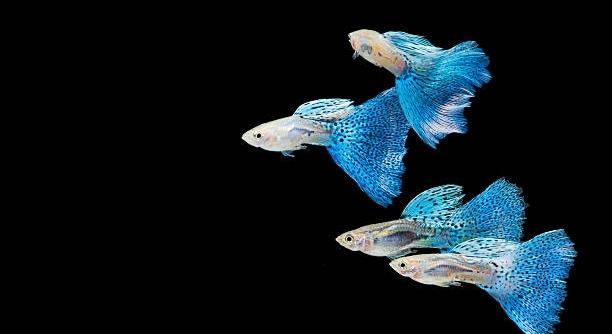
Guppies are popular aquarium fish, known for their vibrant colors and active swimming. However, when you notice your guppies flicking their fins, it can raise concerns. Understanding the cause is important for their well-being.
Flicking fins in guppies is commonly caused by stress, irritation, or illness. This behavior could indicate external parasites, water quality issues, or an infection. It’s essential to address the underlying cause to keep your guppies healthy.
By identifying the possible reasons behind the flicking, you can help your guppies return to their playful selves. Understanding these causes will allow you to act quickly and provide the best care for your fish.
Stress from Poor Water Conditions
Guppies are sensitive to changes in water conditions, which can cause them stress. When the water is too warm, too cold, or has poor oxygen levels, guppies may start flicking their fins. Changes in the water’s pH level or hardness can also trigger this behavior. Additionally, ammonia, nitrites, and nitrates can build up in the tank, leading to irritation and stress. Guppies need stable, clean water to thrive. Monitoring the water regularly and maintaining proper filtration can help prevent stress-induced fin flicking. If your guppies are constantly flicking their fins, it’s worth checking these water parameters.
Water quality plays a huge role in the overall health of your fish. If the water isn’t ideal, guppies will show signs of distress. They may flick their fins as they try to adjust or escape irritants. Even minor changes in water quality can make them uncomfortable.
To improve the situation, perform regular water changes, check for harmful substances, and invest in a good filter. Keeping the water clear and stable can make a big difference in the health of your guppies.
External Parasites
External parasites, such as ich or velvet, can irritate guppies, causing them to flick their fins. These parasites attach to the skin or gills, leading to discomfort. You may also notice white spots or a dusty appearance on the fish’s body.
Parasites are often introduced when new fish are added to the tank without quarantine. They can also spread quickly if conditions aren’t kept clean. If your guppy is flicking its fins, carefully examine it for signs of parasites. If you spot any, consider using medicated treatments or adjusting the water conditions to eliminate the threat.
Water Temperature Fluctuations
Guppies are sensitive to sudden changes in water temperature. If the water temperature fluctuates too much, they can become stressed and may flick their fins. A consistent temperature between 72°F and 82°F is ideal for guppies. Extreme heat or cold can cause discomfort and may lead to health problems.
The flicking behavior may happen when guppies try to adjust to temperature changes. Sudden shifts, such as adding cold water or turning off the heater, can trigger their distress response. To avoid this, it’s important to have a reliable aquarium heater and thermometer to maintain a stable environment for your fish.
If you notice frequent temperature changes in your tank, it’s a good idea to invest in a tank thermometer to monitor the water regularly. Keeping the temperature within the right range reduces the chances of stress-related issues like fin flicking. A steady environment will help keep your guppies healthy and happy.
Fin Rot or Other Infections
Fin rot is a common infection that affects guppies, often resulting in flicking or jerking movements. The condition occurs when bacteria infect the fins and tail, causing them to fray and deteriorate. If not treated, it can spread and worsen, leading to further complications.
Guppies with fin rot may also show signs of discoloration or lesions on their fins. Poor water quality, overcrowding, and injury are common causes of fin rot. Early treatment with antibacterial medications can help stop the infection from progressing. Infected guppies will need extra care to ensure recovery.
To prevent fin rot, make sure to keep the water clean and avoid overstocking your tank. If you spot the early signs of infection, consider isolating the affected guppy to avoid spreading it to others. Treating the infection promptly is key to saving your guppy’s health.
Overcrowding in the Tank
Overcrowding can cause stress, leading guppies to flick their fins. When too many fish share a small space, competition for food and territory increases, resulting in aggression and discomfort. It’s important to maintain a suitable tank size for the number of guppies you have.
Fish in overcrowded tanks may feel threatened and exhibit unusual behaviors like fin flicking. Overcrowding can also lead to poor water quality, which worsens the situation. Regularly check the stocking levels in your tank and ensure there’s enough space for each fish to swim comfortably and claim their own territory.
To avoid overcrowding, keep track of the number of fish you have in your tank and the size of your aquarium. Following the general guideline of one inch of fish per gallon of water can help ensure your guppies have enough room to thrive.
Poor Nutrition
A lack of proper nutrition can cause guppies to flick their fins. An imbalanced diet, such as one lacking essential vitamins and nutrients, may lead to digestive problems and poor health. Guppies require a variety of food to stay healthy.
Feeding your guppies a mix of high-quality pellets, frozen food, and occasional live food helps provide the right balance of nutrients. A deficiency in essential vitamins, like Vitamin A or C, can lead to abnormal behavior, including fin flicking. Ensure that your guppies receive the proper nutrition to support their overall health.
Aggressive Tank Mates
Aggressive tank mates can make guppies feel unsafe, leading to fin flicking. If other fish in the tank are nipping at their fins or chasing them, it can cause stress. Guppies are generally peaceful but can be targeted by more dominant fish.
When adding new fish to the tank, make sure they are compatible with guppies. Avoid keeping aggressive species that might harm them. Watching for any signs of aggression or bullying in the tank is key to preventing stress-related behaviors like fin flicking.
FAQ
Why do my guppies flick their fins all of a sudden?
Guppies may flick their fins suddenly due to a change in their environment or health. It could be caused by poor water quality, sudden temperature fluctuations, or the presence of parasites. If your guppies have been flicking more than usual, check the tank conditions and look for signs of illness. It’s always a good idea to test the water parameters to ensure everything is in check.
How can I tell if my guppy has an infection?
Infections in guppies can show up in different ways, but one common sign is fin damage or abnormal flicking movements. You might notice frayed fins, discolored spots, or lesions on their body. Guppies may also appear lethargic, lose their appetite, or swim erratically. If you see any of these signs, it’s time to act quickly to isolate and treat the affected fish.
Can fin flicking be a sign of stress?
Yes, stress is one of the leading causes of fin flicking in guppies. Stress can stem from various factors, such as poor water quality, overcrowding, aggressive tank mates, or even being exposed to sudden changes in the environment. If your guppies are flicking their fins and acting unusually, it’s essential to check the conditions in the tank and ensure they are comfortable.
How do I fix poor water quality for my guppies?
Improving water quality starts with regular water changes, cleaning the tank, and making sure the filtration system is working well. You should test for ammonia, nitrites, and nitrates to ensure they are within safe levels. Keeping the tank clean by removing uneaten food and debris will help maintain water quality. If the water is heavily polluted, consider using a water conditioner to neutralize harmful substances.
Can temperature fluctuations cause guppy fin flicking?
Yes, sudden or extreme temperature fluctuations can cause stress in guppies and lead to fin flicking. Guppies thrive in stable temperatures between 72°F and 82°F. If the water gets too hot or too cold, they may flick their fins in an attempt to adjust. Keeping a reliable aquarium heater and thermometer will help maintain a constant temperature and reduce stress.
How often should I change the water in my guppy tank?
Water changes should be done regularly to maintain a healthy tank environment for your guppies. A 25-30% water change once a week is ideal for most aquariums. This will help remove harmful substances like ammonia and nitrates, ensuring the water stays clean and fresh. If you have more fish or a smaller tank, you may need to do water changes more frequently.
Could my guppies flick their fins due to parasites?
Parasites, such as ich or velvet, can cause guppies to flick their fins. These parasites attach to the fish’s skin, gills, or fins, causing irritation. You may notice white spots, a dusty appearance, or lesions on your guppy’s body. If you suspect a parasite infestation, it’s crucial to isolate the infected fish and treat them with the appropriate medication.
How can I prevent fin rot in my guppies?
To prevent fin rot, it’s important to maintain good water quality by performing regular water changes and avoiding overcrowding. Keep the tank clean by removing debris and uneaten food. Ensure that your guppies aren’t exposed to other fish with potential infections. Early treatment with antibiotics can help if you notice any signs of fin rot, such as frayed fins or discoloration.
What should I do if my guppy’s fins are falling apart?
If your guppy’s fins are falling apart, it may be a sign of fin rot or another bacterial infection. It’s important to isolate the affected fish and treat them with a medicated solution. Keeping the water quality high is essential for recovery. In severe cases, the infection may spread, so prompt action is critical to save your guppy.
Are there any signs that indicate my guppies are stressed?
Yes, stressed guppies may flick their fins, swim erratically, hide more often, or lose their appetite. You may also notice them darting around the tank or displaying aggressive behavior. If you notice these signs, it’s a good idea to check the water quality, temperature, and tank mates to address the root cause of the stress.
How do I choose the right tank mates for my guppies?
Guppies are generally peaceful, but they can become stressed if housed with aggressive or overly territorial fish. Choose tank mates that are similarly peaceful and not too large or aggressive. Avoid fish like bettas or fin-nipping species. Ideally, keep guppies with other small, non-aggressive species that won’t threaten or harass them.
Can poor diet cause my guppy to flick its fins?
Yes, a poor diet can lead to health issues, including fin flicking. Guppies need a balanced diet of high-quality flakes, pellets, frozen food, and occasional live food to stay healthy. A lack of essential vitamins and minerals can weaken their immune system, leading to stress and abnormal behavior like fin flicking. Always provide a varied and nutritious diet to keep your guppies in good health.
How do I treat fin flicking caused by aggression?
If fin flicking is caused by aggression, the first step is to identify the aggressor in the tank. If certain fish are bullying others, it may be necessary to separate them. Adding more hiding spots, rearranging decorations, or reducing the number of aggressive fish can help reduce stress and prevent further flicking.
What other diseases can cause fin flicking?
Other diseases, such as columnaris or velvet, can also lead to fin flicking in guppies. These infections cause irritation and discomfort, prompting the fish to try and relieve the symptoms by flicking their fins. Look for additional signs like lesions, discoloration, or lethargy to identify these conditions and seek treatment.
Final Thoughts
If your guppies are flicking their fins, it’s important to address the issue promptly. Fin flicking can be a sign of stress, illness, or environmental issues, and it’s crucial to figure out the cause. Keeping the water clean, maintaining the right temperature, and ensuring your guppies have enough space to swim can go a long way in preventing this behavior. Regular monitoring of your tank and making small adjustments can help keep your guppies happy and healthy.
Most of the time, the cause of fin flicking is related to their environment, whether it’s poor water quality, stress from overcrowding, or sudden temperature changes. By performing regular water changes, checking the water parameters, and avoiding aggressive tank mates, you can reduce the risk of your guppies becoming stressed. It’s also important to ensure that your guppies are getting a balanced diet to keep them strong and immune to diseases that can lead to fin flicking.
Taking action as soon as you notice any signs of distress in your guppies is the best way to prevent further issues. Treating any infections quickly and improving the overall tank conditions will make a big difference in their behavior. In many cases, with proper care and attention, guppies can recover from fin flicking and continue to thrive in a safe, clean environment.

Hello,
If you enjoy the content that we create, please consider saying a "Thank You!" by leaving a tip.
Every little bit helps us continue crafting quality advice that supports the health, happiness, and well-being of pets around the world, for pets of all shapes, sizes, and species.
We really appreciate the kindness and support that you show us!