
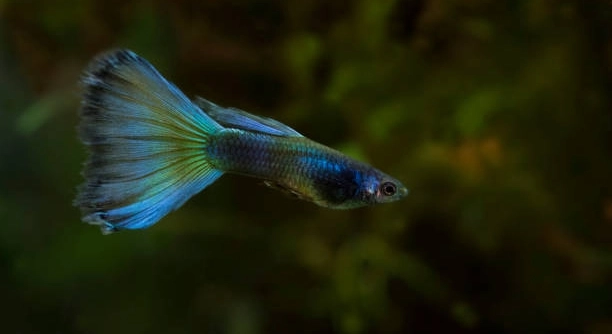
If you’ve noticed your guppies constantly breathing fast, it’s important to understand why this behavior might be occurring. It can be alarming to see your fish breathing rapidly, but it’s often a sign of something more.
Fast breathing in guppies can be caused by several factors, including poor water quality, low oxygen levels, high water temperatures, and stress. Understanding these causes is key to addressing the issue and ensuring your guppies remain healthy.
There are many potential reasons for fast breathing in guppies, and addressing the root cause can help restore balance in your aquarium. Let’s explore these factors and find solutions to keep your fish comfortable and thriving.
Poor Water Quality
One of the most common reasons guppies breathe fast is poor water quality. Fish are very sensitive to changes in their environment, especially water conditions. Ammonia, nitrites, and nitrates can build up in the tank, making it harder for your guppies to breathe. In some cases, dirty water can also lead to diseases that affect their gills. If the water quality isn’t maintained, your guppies may gasp for air, trying to get enough oxygen. Regular water changes, proper filtration, and monitoring water parameters are essential to keeping your fish healthy.
Ensuring the water remains clean and free from harmful chemicals can reduce stress on your guppies, allowing them to swim and breathe normally.
Routine water testing is crucial to detect high ammonia or nitrate levels. When the water is cleaned and filtered regularly, it ensures that your guppies can breathe comfortably. You should also remove any excess food or waste that can contaminate the tank. The health of your guppies depends on these basic maintenance practices. By staying on top of water quality, you’re giving your fish the best environment to thrive.
Low Oxygen Levels
Low oxygen levels in the tank can also cause your guppies to breathe quickly. This often happens when the tank is overcrowded, or the filtration system is not providing adequate aeration. Oxygen is vital for fish health, and when there isn’t enough, they try to compensate by breathing faster.
Adding an air pump or improving water circulation can help increase oxygen levels. In tanks with many fish, oxygen depletion can occur faster, so ensuring your fish have enough space and airflow is important.
High Water Temperature
High water temperature is another common cause of rapid breathing in guppies. Fish need a stable, appropriate temperature to thrive. When the water gets too warm, it decreases oxygen levels, making it harder for your guppies to breathe properly. Overheating can also stress them out, causing them to swim erratically or gasp for air.
Guppies generally prefer water temperatures between 72°F and 82°F. If the temperature rises above this range, your fish may struggle to get enough oxygen. You can control the water temperature by using a reliable aquarium heater with a thermostat to keep the water at a consistent, safe temperature.
During hot weather or if the heater is malfunctioning, the water temperature might spike. This stresses the guppies and forces them to breathe more rapidly. To avoid overheating, consider installing a thermometer to monitor the water temperature regularly. Lowering the room temperature or moving the tank to a cooler location can also help.
Stress
Stress can cause your guppies to breathe faster. Factors like overcrowding, aggressive tank mates, or a sudden change in the environment can all lead to stress. Stress weakens their immune system, making them more susceptible to illness. It’s important to identify what is causing the stress and fix it.
To reduce stress, ensure your guppies have enough space. Overcrowding can result in a lack of oxygen and increased aggression. Make sure there are plenty of hiding spots and plants for them to feel secure. Also, try to keep the water conditions stable and avoid sudden changes in temperature or pH levels. A peaceful, well-maintained tank environment can greatly reduce stress and promote healthy, calm fish.
Ensuring your guppies have a balanced diet can also help reduce stress. Poor nutrition can weaken them and make them more prone to illness, which further leads to stress. A proper feeding schedule and varied diet are key for keeping your guppies happy and healthy.
Poor Diet
A poor diet can lead to faster breathing in guppies. If they aren’t getting the right nutrients, their health can deteriorate, leading to increased stress and breathing issues. Overfeeding or offering low-quality food can cause digestive problems that affect their overall well-being.
Make sure to feed your guppies a balanced diet of high-quality flakes, pellets, and occasional live food like brine shrimp. Overfeeding can lead to excess waste in the tank, which may deteriorate water quality. A proper diet will ensure your fish are strong and able to breathe normally.
Poor Water Circulation
Inadequate water circulation can contribute to rapid breathing in guppies. When water doesn’t flow properly, oxygen becomes less evenly distributed throughout the tank, leading to areas with low oxygen levels. This forces your guppies to work harder to breathe.
Ensure your filtration system is running properly, and check for any blockages or damage. Adding an additional air pump or adjusting the filter flow rate can help improve water movement. Guppies will thrive in a tank with proper water circulation, as it helps maintain a healthy oxygen level.
Illness or Infection
Guppies may breathe fast if they are sick or infected. Parasites, bacteria, or fungal infections can damage their gills, making it difficult for them to absorb oxygen properly. Identifying the signs of illness early can prevent it from worsening and affecting their breathing.
Look for other symptoms like discoloration, lesions, or unusual behavior. If you suspect your guppy is sick, it’s essential to isolate it and treat it promptly. Always keep the tank clean and monitor the water quality to prevent infections from occurring in the first place.
FAQ
What should I do if my guppy’s breathing is fast?
If your guppy is breathing fast, the first step is to check the water quality. Test for ammonia, nitrites, and nitrates using a water test kit. If these levels are high, perform a water change and clean the filter. Make sure the water temperature is within the optimal range for guppies (72°F-82°F). If the problem persists, check for signs of illness or infection and treat your guppy accordingly. Reducing stress in the tank, such as decreasing overcrowding or adding hiding places, can also help.
How can I prevent my guppies from breathing fast in the future?
Preventing fast breathing starts with maintaining a clean, stable environment. Regular water changes, a proper filtration system, and consistent water temperature are essential. Avoid overfeeding your guppies, as excess food can pollute the water. Providing a varied and nutritious diet ensures their overall health. Keep the tank well-aerated to maintain high oxygen levels. Avoid overcrowding and ensure there is enough space for your guppies to swim freely. By addressing these factors, you’ll help reduce the chances of fast breathing in the future.
Can high water temperature cause guppies to breathe faster?
Yes, high water temperature is a common cause of fast breathing. When the water gets too warm, oxygen levels decrease, forcing your guppies to breathe faster to get enough oxygen. To prevent this, keep the water temperature between 72°F and 82°F. If the temperature exceeds this range, your guppies may become stressed and struggle to breathe. Use an aquarium thermometer to monitor the water temperature and adjust the heater or move the tank to a cooler location to maintain a stable environment.
Is it normal for guppies to breathe fast during the night?
Guppies may breathe slightly faster at night, especially if the water quality isn’t ideal. If the breathing is significantly faster than usual, this may indicate an issue like poor water quality, low oxygen levels, or stress. Check the water parameters and ensure proper filtration and aeration. If the water quality is good, but the problem persists, consider other stress factors like overcrowding or aggressive tank mates. If the guppy shows signs of illness, it’s important to address that issue promptly.
Can I fix fast breathing by adding more oxygen to the tank?
Yes, increasing oxygen levels can help if your guppies are breathing fast due to low oxygen. You can do this by adding an air pump or improving water circulation. A filter with strong water movement or airstones can also increase oxygen levels throughout the tank. Make sure the water is flowing properly, as stagnant water can create low-oxygen zones that affect your guppies. However, it’s essential to address all factors, like water quality and temperature, to resolve the problem fully.
How do I know if my guppy is stressed?
Stressed guppies may exhibit several signs, such as rapid breathing, hiding more than usual, swimming erratically, or losing color. Overcrowding, sudden changes in water temperature, or aggressive tank mates can trigger stress. To reduce stress, ensure the tank is not overcrowded and provide hiding spots, plants, and other forms of cover. Maintaining a consistent water environment and feeding your guppies a balanced diet also helps keep them calm. If stress persists, look for signs of illness or injury, as stress weakens their immune system.
What are the common diseases that cause fast breathing in guppies?
Several diseases can cause guppies to breathe rapidly, including gill infections, parasites, and internal diseases. Ich, a common parasite, can irritate the gills, making it harder for guppies to breathe. Bacterial infections or fungal growths can also affect the gills and respiratory system. If your guppy’s breathing is fast and accompanied by other symptoms like lesions, discoloration, or lethargy, it’s essential to treat the illness promptly. Consult a vet or use aquarium medications for proper treatment.
Can poor diet cause my guppy to breathe faster?
Yes, a poor diet can cause your guppy to breathe faster. If they aren’t getting the proper nutrients, they may become weak and stressed, which can affect their breathing. Overfeeding or feeding low-quality food can lead to digestive issues, which further stress the guppy and can impact its ability to breathe normally. Offer a variety of nutritious foods such as high-quality flakes, pellets, and occasional live foods like brine shrimp or daphnia. A balanced diet supports your guppy’s overall health and prevents breathing issues related to malnutrition.
Should I remove a sick guppy from the tank if it’s breathing fast?
If a guppy is showing signs of illness, such as fast breathing, it’s a good idea to remove it from the tank to prevent the spread of disease. Isolating the sick fish in a quarantine tank can help it recover and allow you to treat the illness without affecting the other fish. Ensure the quarantine tank has clean water, proper filtration, and the right temperature. Always monitor the sick fish closely and provide appropriate treatment based on the symptoms. If the illness is contagious, you may need to treat the entire tank.
Final Thoughts
If your guppies are breathing fast, it’s important to consider a few key factors that might be affecting their health. Often, rapid breathing is a sign of an underlying issue, such as poor water quality, low oxygen levels, or stress. Monitoring your tank’s water parameters regularly is essential to keeping your guppies healthy. Ensuring the water is clean, the temperature is stable, and the oxygen levels are sufficient will go a long way in preventing this issue. If you’re unsure of the water quality, a simple test kit can help you track things like ammonia, nitrites, and nitrates, so you know exactly what might be out of balance.
Another factor to consider is the health and diet of your guppies. Poor nutrition or an overcrowded tank can increase stress, which might cause them to breathe faster. Providing a balanced diet and adequate space for your guppies is crucial for their overall well-being. If you notice any symptoms of illness, such as discoloration, lethargy, or abnormal swimming, it’s important to isolate the affected fish and treat it promptly. Addressing these issues quickly can prevent more serious problems from developing. Maintaining a peaceful environment with healthy tank mates also plays a significant role in reducing stress, which can help regulate their breathing.
Finally, while occasional rapid breathing might not always be cause for alarm, it’s always best to be proactive in preventing and addressing any potential problems. Regular tank maintenance, water testing, and proper feeding are simple yet effective steps that can improve the health of your guppies. If the issue persists or if you notice any other signs of illness, it’s important to seek advice from an aquarium professional or vet. By keeping a close eye on your guppies’ behavior and environment, you can ensure they stay happy, healthy, and breathe easy.

Hello,
If you enjoy the content that we create, please consider saying a "Thank You!" by leaving a tip.
Every little bit helps us continue crafting quality advice that supports the health, happiness, and well-being of pets around the world, for pets of all shapes, sizes, and species.
We really appreciate the kindness and support that you show us!