
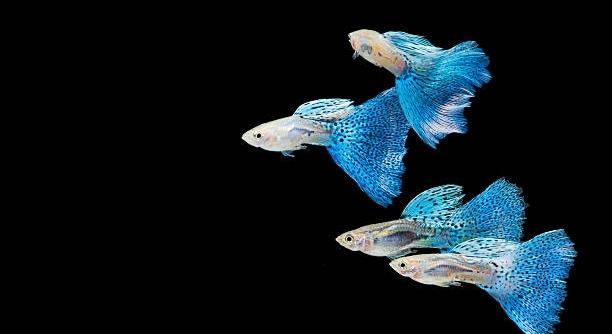
Guppies are known for their playful behavior, but when they start chasing their own tails, it can be concerning. This behavior may seem harmless, but understanding its causes can help ensure your guppies’ well-being.
Tail-chasing in guppies can result from various factors, including stress, poor water quality, or a lack of stimulation. Additionally, it could be related to an underlying health issue, such as parasites or an infection, which may require prompt attention.
Understanding the possible causes behind this behavior is essential to providing your guppies with the best care. This article will help guide you in addressing and preventing this issue.
Stress or Anxiety in Guppies
Guppies are sensitive creatures, and stress can easily cause unusual behaviors like tail-chasing. Stress can arise from several sources, including overcrowding, aggressive tankmates, sudden changes in water conditions, or even the presence of unfamiliar objects. When guppies feel stressed, they may resort to chasing their own tails as a way to cope. This repetitive behavior can become a habit if not addressed, leading to more problems down the road.
Increased stress can also affect their overall health, making them more susceptible to disease. Keeping a stable and calm environment in the aquarium is key to reducing stress levels in your guppies.
Regularly checking water parameters like temperature, pH, and ammonia levels can help maintain a stress-free tank. Adding plants, hiding spots, and reducing the number of tankmates can also alleviate anxiety. By ensuring your guppies are comfortable, you can prevent them from exhibiting behaviors like tail-chasing.
Poor Water Quality
The quality of the water is one of the most important factors in keeping guppies healthy.
Dirty or polluted water can lead to various health issues for your guppies, including stress and irritation. Guppies are particularly sensitive to changes in water quality, and poor conditions can trigger tail-chasing. Ammonia, nitrites, and high levels of nitrates can irritate their skin and gills, causing them to behave in unusual ways.
If your guppies are chasing their tails, test your aquarium water regularly to ensure it’s within safe parameters. Regular water changes are essential, as they help maintain a clean environment. If you notice water quality issues, take corrective action immediately to improve the health of your fish.
Lack of Stimulation
Guppies are active fish, and when they don’t have enough stimulation, they may start chasing their tails. This behavior often stems from boredom.
Without proper activities or tank decorations, guppies can easily become restless. Adding plants, decorations, or toys can provide them with the mental and physical stimulation they need. Regularly changing the layout of the tank will also keep things interesting for your guppies.
Another solution is introducing more guppies or other compatible species. A more diverse group of tankmates can encourage social interaction and reduce repetitive behaviors like tail-chasing. Make sure, however, that the tank is spacious enough to accommodate everyone comfortably.
Parasites or Infections
Parasites or infections can sometimes cause your guppies to chase their tails.
External parasites, such as ich or anchor worms, can irritate the skin, leading to behaviors like tail-chasing. If a guppy is feeling itchy or uncomfortable due to these parasites, it may try to relieve the sensation by chasing its tail.
A quick and effective way to deal with this is by isolating the affected fish and treating it with an appropriate medication. Always make sure to follow the instructions on the treatment product to avoid harming your other fish. Regularly checking your guppies for visible signs of parasites can help prevent this issue.
Overfeeding
Overfeeding is another reason your guppies might start chasing their tails. When guppies eat more than they can handle, it can cause digestive discomfort, leading to unusual behaviors.
Excess food in the tank also results in water pollution, further stressing the fish. Make sure you’re feeding them small amounts they can consume in a few minutes.
Feeding your guppies the correct amount will help prevent excess waste and ensure they stay healthy. Overfeeding can lead to other health issues as well, like obesity, which can affect their behavior and overall well-being.
Tank Size
A tank that’s too small can contribute to tail-chasing behavior in guppies.
Guppies are active fish and need space to swim freely. If the tank is too cramped, it can lead to stress, causing them to chase their tails. A larger tank allows guppies to explore and exercise, preventing boredom and anxiety.
Keeping your guppies in a spacious tank ensures they have enough room to move around, which will contribute to their mental and physical health. If you notice tail-chasing, consider upgrading the tank size for a more comfortable environment.
Genetic Behavior
Genetics can also play a role in why some guppies chase their tails.
Certain guppy strains may be more prone to engaging in repetitive behaviors like tail-chasing. While this might not be an immediate cause for concern, it’s important to keep an eye on their overall health. If the behavior persists or worsens, it might indicate an underlying issue that needs addressing.
FAQ
Why do guppies chase their own tails?
Guppies chase their tails for various reasons, including stress, poor water quality, boredom, and health issues like parasites. When guppies are uncomfortable or anxious, they may resort to this repetitive behavior as a way to relieve their discomfort. Additionally, a lack of stimulation or insufficient space can contribute to this behavior. If the tail-chasing continues or worsens, it’s important to check water conditions, reduce stress, and ensure the fish are healthy.
Can tail-chasing be a sign of disease in guppies?
Yes, tail-chasing can indicate that a guppy is suffering from a disease or infection. Parasites like ich or external wounds can cause itching or irritation, leading the fish to chase its tail in an attempt to soothe the discomfort. If a guppy displays other signs, such as visible spots, lethargy, or loss of appetite, it may be a sign of infection. In this case, isolating the affected fish and treating it promptly can prevent further issues.
How can I prevent my guppies from chasing their tails?
To prevent tail-chasing, ensure that your guppies have a stress-free environment. Regularly check water quality and maintain proper conditions. Overcrowding can lead to stress, so ensure your tank is the appropriate size for your guppies and any tankmates. Adding decorations, plants, and hiding spots can also provide stimulation, reducing the chances of tail-chasing. Proper feeding schedules and avoiding overfeeding can also help maintain a healthy environment for your guppies.
Is it safe to have multiple guppies in one tank?
Yes, guppies generally do well in groups, especially if there is enough space in the tank. However, overcrowding can lead to stress and aggressive behavior, which may trigger tail-chasing. Make sure to avoid putting too many fish in a tank, as this can lead to a poor living environment. If you want to add more guppies, ensure the tank has enough space, filtration, and hiding spots for them to feel comfortable.
How often should I clean my guppy tank?
Cleaning your guppy tank regularly is crucial to maintaining healthy water quality. It’s recommended to perform partial water changes (about 25% to 30%) once a week to keep the water fresh and free from toxins. Also, clean the substrate and remove excess food and debris. Avoid doing full water changes too frequently, as this can disrupt the balance of the tank’s ecosystem and cause additional stress to your guppies.
Can guppies be overfed?
Yes, overfeeding guppies is a common issue that can lead to both health problems and behavioral changes, such as tail-chasing. When guppies are overfed, leftover food decomposes, polluting the water and creating poor water quality. This stress can contribute to behavioral issues. Feed your guppies small amounts that they can consume within a few minutes, and avoid leaving excess food in the tank to maintain a clean environment.
What is the ideal water temperature for guppies?
The ideal water temperature for guppies is between 72°F and 82°F (22°C to 28°C). Maintaining the right temperature range is essential for their overall health. Water that’s too cold or too hot can cause stress, leading to abnormal behaviors like tail-chasing. Using a reliable aquarium heater and thermometer can help you keep the water temperature stable and suitable for your guppies.
Do guppies need a filter in their tank?
Yes, a filter is important for maintaining clean and healthy water. Guppies are sensitive to poor water quality, and a filter helps remove toxins like ammonia, nitrites, and nitrates from the water. It also helps maintain proper oxygen levels in the tank, which is essential for their well-being. Be sure to choose a filter appropriate for the size of your tank to avoid strong currents that may stress your guppies.
How can I tell if my guppy is stressed?
Stressed guppies may exhibit behaviors like tail-chasing, hiding, rapid swimming, or staying near the surface of the water. Other signs include loss of appetite, dull coloration, or clamped fins. Stress can be caused by poor water quality, overcrowding, aggressive tankmates, or sudden changes in the environment. By monitoring your guppy’s behavior and tank conditions, you can identify and address the sources of stress early on.
Can guppy tail-chasing be a sign of boredom?
Yes, guppies can become bored if they lack stimulation in their tank. When they don’t have enough space or enrichment, they may begin to engage in repetitive behaviors like chasing their tails. To combat boredom, add plants, rocks, and hiding spots in the tank to provide more space for exploration. You can also consider adding more tankmates to encourage social interaction, but avoid overcrowding to prevent additional stress.
Final Thoughts
Guppies chasing their own tails is a behavior that can be caused by several factors. It’s important to observe your fish closely to understand what might be causing this behavior. Whether it’s stress, poor water quality, boredom, or a health issue, identifying the root cause is crucial. If left unaddressed, the behavior can become more frequent or severe, which could affect your guppy’s overall health and well-being. A healthy tank environment is essential for your guppies to thrive, so make sure to provide proper care and attention to their needs.
Maintaining proper water quality, tank size, and regular maintenance can help reduce the likelihood of tail-chasing. Regular water changes, proper filtration, and monitoring of the tank’s conditions are all necessary steps to ensure your guppies are comfortable. Additionally, providing them with enough stimulation, like plants, decorations, and compatible tankmates, can help keep them engaged and prevent boredom. It’s essential to remember that guppies, like all pets, require attention and care to live healthy, happy lives. Addressing issues like tail-chasing early can prevent more serious health problems in the future.
Finally, if the tail-chasing behavior persists or seems to worsen, it might be necessary to consult with an aquarium professional or veterinarian. They can help identify any underlying health issues or suggest appropriate treatments. By taking proactive steps and maintaining a stable, healthy environment, you can reduce the chances of tail-chasing and ensure your guppies remain active and healthy. While occasional tail-chasing may not be a cause for alarm, ongoing or excessive behavior could indicate something more serious, and prompt action can help keep your guppies in their best shape.

Hello,
If you enjoy the content that we create, please consider saying a "Thank You!" by leaving a tip.
Every little bit helps us continue crafting quality advice that supports the health, happiness, and well-being of pets around the world, for pets of all shapes, sizes, and species.
We really appreciate the kindness and support that you show us!