
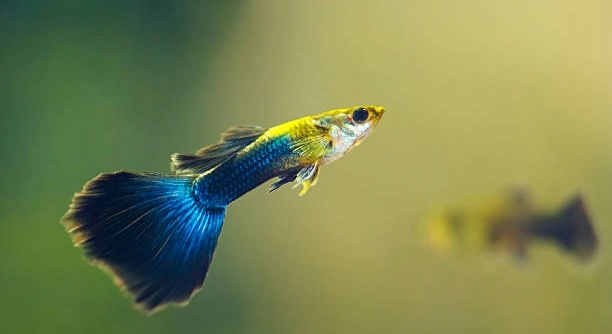
Guppies are lively and curious fish, often displaying playful behaviors. If you’ve noticed them chasing each other, it can be puzzling. Understanding the reasons behind this behavior will help you create a better environment for your fish.
The main cause of guppies chasing each other is related to their natural instincts. This behavior is usually driven by territorial disputes, mating behavior, or competition for resources such as food. In some cases, stress can also play a role.
The causes behind your guppies’ chasing behavior can be addressed. Knowing what triggers this activity ensures a healthier and more peaceful environment for your fish.
Territorial Behavior
Guppies are territorial creatures by nature. In their natural habitats, they often defend their space from other fish. If your guppies are chasing each other, it could be because they are trying to establish dominance over a particular area in the tank. This behavior is especially noticeable when you have multiple males or a crowded tank. When one guppy perceives another as a threat to its space, it may chase them off. This is common during breeding seasons when male guppies compete for the attention of females. Providing enough hiding spots or territories in your tank can help reduce this type of aggression.
While territorial behavior can be frustrating to witness, it is usually harmless. Guppies are not typically aggressive enough to cause serious harm to each other. However, persistent chasing can lead to stress, affecting their health. One way to ease this tension is by ensuring your tank is large enough for each guppy to have their own space. Adding plants and decorations can provide refuge for the more passive fish. This helps reduce conflicts and supports a healthier environment for your guppies.
Mating Behavior
Mating behavior often leads to guppies chasing each other. Male guppies are known to chase females to court them. They display bright colors and perform intricate movements to attract attention. Sometimes, males can become too persistent, leading to excessive chasing. In some cases, females may show resistance by swimming away or hiding. If the tank does not have enough females, males may direct their attention towards each other, increasing the chasing behavior.
To keep the peace, it’s a good idea to maintain a proper male-to-female ratio. Having more females than males helps reduce the pressure on any single female. If you’re breeding guppies, ensure there are enough hiding places for the females to escape the attention of the males.
Stress and Overcrowding
Stress is a common factor that can lead to guppies chasing each other. When guppies feel threatened or overcrowded, they may act out by chasing their tank mates. This is often the result of an insufficient tank size, a sudden change in water parameters, or an imbalance in the tank’s environment.
If your tank is too small or lacks proper filtration, guppies may experience high stress levels, prompting aggressive behavior. Overcrowding is especially problematic, as it limits their ability to retreat to their own space when needed. Guppies thrive in an environment with ample swimming room, stable water conditions, and proper filtration. To reduce stress, consider upgrading to a larger tank or increasing the number of plants and hiding spots to allow your fish to escape from each other.
Stress-related chasing behavior can also be a result of fluctuating water temperature or poor water quality. If the water parameters are off, guppies will often become anxious and display more aggressive behavior. Regular water changes and consistent temperature control can help create a more comfortable and peaceful environment, reducing stress and preventing chasing.
Feeding Competition
Guppies will often chase each other when food is scarce. This behavior stems from their instinct to compete for resources. If you notice your guppies aggressively chasing each other during feeding time, it’s likely due to limited food availability or unequal distribution.
To minimize this behavior, feed your guppies multiple times a day in small amounts. This helps prevent overfeeding and ensures that each fish gets its fair share. Spread the food evenly throughout the tank to allow all guppies to access it without fighting. Using a feeding ring or dividing the tank during feeding time can also reduce competition and stress.
Feeding competition is a common problem, especially in tanks with multiple guppies. However, by managing the feeding routine and providing sufficient food, you can significantly reduce the chasing behavior. Additionally, keep an eye on the water quality, as leftover food can contribute to poor water conditions, which in turn can increase stress and aggression among your guppies.
Inadequate Tank Size
If your tank is too small, guppies may chase each other out of frustration due to limited space. A cramped environment doesn’t allow them to establish their own territory, which can lead to increased aggression. A larger tank provides room for them to swim freely and reduces tension.
When setting up a tank for guppies, ensure there is enough space for each fish to move without feeling crowded. A good rule of thumb is 1 inch of fish per gallon. Overcrowding not only causes stress but also leads to poor water quality, making the situation worse.
Poor Water Quality
Guppies thrive in clean water, and poor water quality can cause them to behave aggressively. High levels of ammonia, nitrites, or nitrates in the water can stress the fish, causing them to chase each other as a way of coping with their discomfort. Proper filtration and regular water changes are essential.
Make sure to monitor the water quality regularly, and invest in a reliable filtration system to ensure optimal conditions. Testing the water parameters will help you catch any imbalances before they affect your guppies. Clean water promotes healthier, calmer fish, reducing the likelihood of chasing.
Lack of Hiding Places
Without enough hiding spots, guppies may feel vulnerable and stressed, leading them to chase each other. Guppies need areas to retreat when they feel threatened or simply want some quiet time. Adding plants, rocks, or decorations to the tank can help create a more comfortable environment.
Ensure there are plenty of places for your guppies to hide and relax. These spots not only reduce stress but also encourage natural behaviors, making them feel safer and more secure.
FAQ
Why are my guppies chasing each other around the tank?
Chasing behavior among guppies is often linked to territorial disputes or mating behavior. Male guppies may chase females to court them, especially during breeding season. In a crowded tank, males may also chase each other to establish dominance. If guppies are stressed due to overcrowding or poor water quality, they may chase each other as a coping mechanism. It’s important to ensure a balanced tank with proper hiding spots, adequate space, and optimal water conditions to reduce this behavior.
Can chasing affect my guppies’ health?
Yes, persistent chasing can lead to stress, which in turn affects guppies’ health. Stress weakens their immune system, making them more susceptible to diseases. If the chasing is intense, it can result in physical injury, like fin damage or sores. To prevent this, ensure your guppies have enough space, hiding spots, and a balanced tank environment.
How can I stop my guppies from chasing each other?
To stop guppies from chasing each other, start by addressing the potential causes. Provide enough space in the tank to reduce overcrowding. Add plenty of plants and decorations to create hiding spots, so guppies can escape from each other. Ensure the water conditions are optimal and try maintaining a proper male-to-female ratio to prevent aggressive mating behavior. Feeding them adequately and regularly can also help reduce competition for food, which is another common cause of chasing.
Is chasing normal for guppies?
Chasing is a normal behavior, especially among males during breeding season. Male guppies often chase females in an attempt to mate, and this is part of their natural courtship behavior. However, excessive chasing, especially if it leads to aggression or injury, can indicate stress or other issues in the tank. It’s essential to monitor the intensity of the behavior and address any potential causes, like overcrowding or poor water quality.
Can guppies live peacefully together in a small tank?
Guppies can live peacefully together in a small tank if it is well-maintained and has enough space. However, small tanks can quickly lead to overcrowding, which increases stress and aggression. If you’re keeping multiple guppies in a small tank, be sure to provide enough hiding spots, plants, and decorations to help them feel secure. Additionally, maintaining good water quality and regularly checking water parameters is crucial for their well-being.
What is the best tank size for guppies?
The best tank size for guppies is at least 10 gallons for a small group. This provides ample space for them to swim freely and reduces stress. For every additional guppy, you should add about 1 gallon of water. A larger tank helps in maintaining better water quality and more stable conditions, which are essential for guppy health.
Do guppies need a filter?
Yes, guppies do need a filter. A filter helps maintain clean water by removing waste, uneaten food, and other debris, all of which contribute to poor water quality. A proper filtration system is crucial in keeping the tank environment healthy for guppies. Regular water changes, along with filtration, help prevent harmful chemical buildups and reduce stress in your fish.
How often should I clean my guppy tank?
You should clean your guppy tank at least once a week. Regular water changes of 20-30% help maintain water quality. During this time, check for any debris, algae growth, and ensure the filter is working properly. It’s also a good idea to clean decorations and remove any uneaten food to prevent it from polluting the water.
Can too much light cause guppy aggression?
Yes, too much light can cause stress and increase aggression in guppies. If the lighting is too bright or constant, it can disrupt their natural behavior, leading to stress. It’s important to provide a light cycle of 10-12 hours per day, mimicking natural daylight. This helps guppies maintain their natural rhythms and reduces the likelihood of stress-related behaviors, including chasing.
Are guppies better in groups or alone?
Guppies are social fish and thrive in groups. Keeping them in a group of at least three or four helps reduce stress and promotes natural schooling behavior. However, make sure to have a proper male-to-female ratio, as too many males can lead to excessive chasing and stress. A good ratio is typically 1 male to 2-3 females to reduce aggression during mating.
Why are my male guppies chasing each other?
Male guppies often chase each other to establish dominance or during mating competition. If there are several males in the tank and not enough females, they may compete for attention, leading to more aggressive chasing. Providing enough females for each male or reducing the number of males can help reduce this behavior. Additionally, ensuring plenty of hiding spots can give the less dominant males a place to escape.
Can I put other fish with my guppies?
Yes, guppies are generally peaceful and can coexist with many other species, especially other small, non-aggressive fish. Good tankmates for guppies include neon tetras, Corydoras catfish, and other peaceful community fish. However, avoid placing them with larger, aggressive fish that may bully or prey on them. Always consider the temperament and size of potential tankmates before introducing them.
How do I know if my guppy is stressed?
Stressed guppies may display behaviors like darting, hiding, reduced appetite, or excessive chasing. Their colors may also appear dull or faded. If you notice these signs, check the water quality, ensure the tank is not overcrowded, and make sure your guppies have enough hiding spots. Reducing stress factors can help your guppy return to normal behavior.
How long do guppies live?
Guppies typically live for 2-3 years, although with proper care, they can live longer. To extend their lifespan, maintain a clean tank, provide a balanced diet, and avoid overcrowding. Regular water changes, stable water parameters, and a stress-free environment all contribute to a longer, healthier life for your guppies.
Final Thoughts
Guppy chasing behavior can often be attributed to several factors, including territorial disputes, mating instincts, and stress caused by overcrowding or poor water quality. It’s important to remember that some chasing is natural, particularly during the breeding season when males are competing for females. However, when the chasing becomes excessive or aggressive, it can lead to injuries or stress, which can impact your guppies’ health. Therefore, it’s essential to monitor their behavior and address any underlying issues that may be causing this behavior.
To reduce chasing, it’s crucial to provide an adequately sized tank with enough space for your guppies to swim freely. The tank should be large enough to accommodate the number of fish you have, as overcrowding can exacerbate stress and lead to more frequent chasing. Additionally, ensuring that there are plenty of hiding spots, such as plants or decorations, allows guppies to escape from any chasing behavior and feel secure. Regular maintenance of the tank, including frequent water changes and proper filtration, also contributes to a healthier environment that reduces stress.
Lastly, maintaining the right male-to-female ratio is another effective way to reduce excessive chasing. Too many males can lead to competition for the attention of females, which often results in more chasing. A good balance between males and females, along with a well-maintained tank, will help ensure that your guppies can live in a peaceful, stress-free environment. By addressing these key factors, you can minimize the chasing behavior and create a happier, healthier home for your guppies.

Hello,
If you enjoy the content that we create, please consider saying a "Thank You!" by leaving a tip.
Every little bit helps us continue crafting quality advice that supports the health, happiness, and well-being of pets around the world, for pets of all shapes, sizes, and species.
We really appreciate the kindness and support that you show us!