
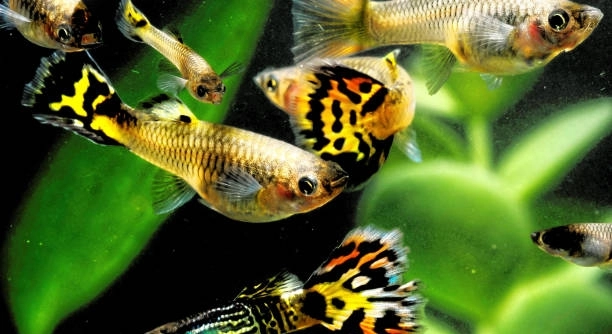
Are your guppies spending a lot of time near the top of the tank, making you worry something might be wrong? This behavior often has a reason and can be an important sign to notice early.
The most common reason guppies breathe at the surface is due to low oxygen levels in the water. Poor water quality, overcrowding, or high temperatures can also lead to stress and labored breathing near the surface.
Understanding why this happens can help you make changes that improve your guppies’ health and keep your aquarium safe and balanced.
Low Oxygen Levels
Guppies need a steady supply of oxygen to stay healthy, and when there isn’t enough in the water, they will swim to the surface where oxygen is more available. This often happens in tanks with poor circulation, no air stone, or an overstocked setup. Warmer water also holds less oxygen, which can create even more stress. If your guppies are gasping at the top, it’s a clear signal that the tank environment needs adjusting. Start by checking your filter, increasing surface agitation, or adding an air pump. Live plants can also help oxygenate the water during the day. It’s important to test the water regularly to keep track of any changes and avoid surprises. Maintaining the right balance will give your guppies the breathable space they need to thrive and stay active.
Keep the tank well-ventilated and avoid overfeeding, as uneaten food can reduce oxygen levels over time.
Addressing oxygen problems early can prevent illness, reduce stress, and support your guppies’ overall wellbeing. Watch their behavior and make small changes to improve their comfort.
Poor Water Quality
Dirty water can cause serious problems for guppies, often forcing them to the surface in search of relief.
When waste builds up in the tank, it produces harmful substances like ammonia, nitrites, and nitrates. Even small increases can lead to stress and breathing issues. Poor water quality often results from overfeeding, not doing regular water changes, or having too many fish in one tank. Guppies are sensitive to these changes and will try to escape by staying at the top where there’s more oxygen and less waste. Use a water test kit to check the levels weekly. If anything seems off, do a partial water change and clean the filter if needed. Make sure not to overclean, though, as beneficial bacteria play a key role in breaking down toxins. Keeping a regular maintenance routine will make the tank safer and more stable for your guppies. Clean water helps them stay healthy, active, and stress-free.
High Water Temperature
Warm water holds less oxygen, which can make it harder for guppies to breathe. If the tank gets too hot, especially in warmer seasons or due to poor placement, your guppies may head to the surface.
Keep the water temperature between 72°F and 82°F for guppies. Anything higher can reduce oxygen levels and increase their stress. Use a reliable aquarium thermometer to monitor changes, especially if your tank is near a window or heater. If needed, turn off the tank light during the day or move the setup to a cooler spot. A fan aimed at the water’s surface or a small aquarium chiller can help regulate the temperature. Try not to make rapid changes, as sudden shifts can shock the fish. Gradually lowering the temperature, while keeping good water circulation, is key to helping your guppies breathe more easily and stay comfortable in their environment.
Guppies may also become more active or agitated when the temperature is too high. This added movement increases their oxygen needs even more, making surface breathing more likely. If left unchecked, extended exposure to high heat can weaken their immune system and lead to illness. Regular checks and small adjustments can make a big difference in their health.
Overcrowding
Too many fish in one tank can lead to poor oxygen levels and extra waste. When space is limited, guppies compete for oxygen, and weaker ones may end up struggling near the surface.
Overcrowding also causes more leftover food and more waste, which impacts water quality. A general rule is one gallon of water per inch of fish. Even with good filtration, a packed tank can make it hard for guppies to thrive. Constant stress from lack of space affects their behavior and immune system. If you’re noticing more surface breathing, check your tank size and stocking levels. Moving some fish to another tank or upgrading to a larger one may help. It’s also helpful to add more plants and hiding spots to reduce stress and make the tank feel more open. With fewer fish, your guppies will have better water, more oxygen, and room to swim comfortably.
Ammonia Poisoning
Ammonia builds up when waste, uneaten food, or dead plant matter isn’t removed. It burns the gills of guppies, making it harder for them to breathe, so they swim near the surface where oxygen is higher.
Using a water test kit helps detect ammonia early. If levels are high, perform a partial water change, clean the tank gently, and avoid feeding for a day. Adding beneficial bacteria products can also help balance the tank.
Poor Filtration
A weak or clogged filter can’t keep the water clean or circulating properly, leading to low oxygen levels. Guppies will head to the surface to get the air they need, especially if waste builds up quickly.
Choose a filter that matches your tank size and clean it regularly. A sponge filter or internal filter works well for small tanks, while larger tanks may need hang-on-back or canister filters. Good filtration also improves water movement, which helps oxygen enter the tank. If the water looks cloudy or smells off, it’s time to check your filter. Even with proper feeding and maintenance, a weak filter can undo your efforts, so keeping it in good shape is essential for your guppies’ comfort and health.
Disease or Parasites
Sick guppies may have trouble breathing and hang around the surface. Look for signs like clamped fins, spots, or unusual swimming. Treating the issue early can prevent it from spreading and help them recover.
FAQ
Why are my guppies only breathing at the surface at night?
At night, oxygen levels in the tank naturally drop, especially in planted aquariums. Plants switch from producing oxygen during the day to consuming it at night. This reduces the overall oxygen available to your guppies. If the tank has poor surface movement or no air stone, this drop becomes more noticeable. Guppies then go to the surface where oxygen levels are slightly higher. You can fix this by adding an air pump or running the filter on a higher setting at night. Keeping a balanced number of live plants and doing routine maintenance also helps.
Can surface breathing be normal in guppies?
Occasional surface breathing can be normal if it’s brief and not constant. Guppies are curious and may swim to the top for food or out of habit. However, if several guppies are consistently hovering at the surface and breathing heavily, it’s usually a sign something is off. You should test the water, check the temperature, and observe other behaviors. If they look stressed, inactive, or have clamped fins, take it seriously. It’s always better to catch small issues early before they turn into larger problems.
How long can guppies survive with low oxygen?
Guppies can only survive for a short time in low-oxygen conditions. If the levels drop too far, they become sluggish and stressed. Prolonged oxygen shortage can lead to illness or death, especially for weaker or younger guppies. Signs appear quickly—gasping at the top, rapid gill movement, and unusual behavior. To avoid this, ensure constant water movement, avoid overcrowding, and clean the tank regularly. If you suspect an oxygen drop, increase surface agitation right away and consider adding an air stone to help them breathe easier.
What should I do first if I see my guppies breathing at the surface?
Start by checking the water parameters with a reliable test kit. Look at ammonia, nitrite, nitrate, and pH levels. Then, check the water temperature and filtration system. If everything looks fine, try increasing surface agitation with an air pump or adjusting your filter. Do a small water change to freshen up the tank. Observe the fish closely for signs of illness or parasites. Make only one or two changes at a time to avoid overwhelming the guppies or throwing off the tank balance.
How often should I test my tank water?
Weekly testing is ideal for most tanks, especially smaller ones where conditions change quickly. If your tank is heavily stocked or newly set up, you may need to test more often. Water testing helps you catch small changes before they affect your guppies. Use liquid test kits rather than strips, as they tend to be more accurate. Keeping a log of your results can help you notice patterns and prevent future problems. Consistent testing is a simple but powerful step to keep your guppies safe.
Can overfeeding cause surface breathing?
Yes, overfeeding leads to excess waste and uneaten food, which can rot and pollute the water. This affects oxygen levels and water quality. Guppies may then gasp at the surface due to the stress caused by toxins like ammonia. Feed small amounts once or twice a day, only what they can eat in two minutes. Remove any leftover food to avoid buildup. A clean tank and balanced feeding schedule go a long way in preventing this issue.
Is an air pump necessary for guppies?
While not always required, an air pump can be very helpful. It increases surface agitation, which helps more oxygen enter the water. If your filter isn’t creating enough movement, or if your guppies seem to struggle, an air stone attached to a pump is a simple fix. It’s especially useful in warmer tanks where oxygen levels tend to be lower. Guppies don’t need strong currents, so choose a gentle setup. Even a small pump can make a big difference in their comfort.
Can a dirty filter cause breathing problems?
A clogged filter reduces water flow and limits oxygen exchange. It also stops properly removing waste, which can raise ammonia and other harmful levels. When this happens, guppies may start gasping at the surface. Clean the filter media gently with tank water once a month or as needed. Don’t use tap water, as it can kill the helpful bacteria living in the filter. Keeping your filter clean and running smoothly helps your tank stay oxygen-rich and safe for guppies.
Final Thoughts
Seeing your guppies breathing at the surface can feel worrying, but it’s often a sign that something in the tank needs attention. Guppies are hardy fish, but they rely on clean water and good oxygen levels to stay healthy. If they spend a lot of time at the top of the tank, it usually means the water is not giving them what they need. This could be due to low oxygen, high temperatures, dirty water, or even overcrowding. It’s important to take the time to check everything in your tank to find out what’s wrong and fix it before things get worse.
Most of the causes behind surface breathing are easy to prevent with regular care. Testing your water once a week, doing small water changes, and making sure the filter is working can go a long way. Watching your guppies every day also helps. You’ll notice if they are acting differently, swimming strangely, or looking uncomfortable. These little changes are early signs that something might be off. It’s also helpful to avoid overfeeding and to keep the tank at a steady temperature. Small actions like adding an air stone or trimming plants can improve oxygen levels and keep your guppies more comfortable.
Caring for guppies doesn’t have to be difficult, but it does take a bit of attention and consistency. Their behavior, like breathing at the surface, is one way they tell you something is wrong. When you notice this and respond quickly, you can avoid serious problems and keep your tank in good shape. A healthy tank leads to healthy fish. Over time, you’ll get used to the signs and needs of your guppies. Understanding these behaviors helps you give them a better environment to live in. With some routine care and patience, your guppies will stay active, colorful, and full of life.

Hello,
If you enjoy the content that we create, please consider saying a "Thank You!" by leaving a tip.
Every little bit helps us continue crafting quality advice that supports the health, happiness, and well-being of pets around the world, for pets of all shapes, sizes, and species.
We really appreciate the kindness and support that you show us!