
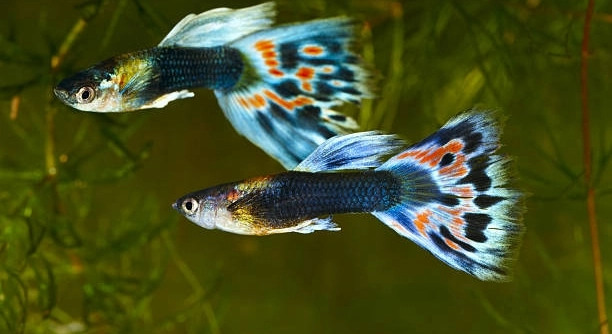
Guppies are popular aquarium fish known for their bright colors and active personalities. However, if they start avoiding their food, it can be concerning. Understanding the causes behind this behavior will help you take action quickly.
Guppies may avoid food for several reasons, including water quality issues, stress, or health problems. Changes in their environment, diet, or tank mates can also lead to decreased appetite. Identifying the root cause can help resolve this issue.
There are multiple factors that could explain your guppies’ reluctance to eat. Recognizing these will help you address the problem and keep your fish healthy. Understanding their behavior is key to maintaining a happy aquarium.
Poor Water Quality
Water quality is one of the most important factors for your guppies’ well-being. If the water in your tank is polluted, it can stress your fish and cause them to lose their appetite. Ammonia, nitrite, or nitrate buildup can irritate guppies, making them avoid food. A sudden drop in water temperature or incorrect pH levels can also contribute to this issue. Guppies are sensitive to water changes, so it’s important to maintain clean, filtered water with stable temperature and pH levels.
Test your tank water regularly for ammonia, nitrite, nitrate, and pH levels. If anything is out of balance, perform a water change and adjust the conditions. Regular water changes and good filtration will help your guppies thrive and prevent stress-related eating problems.
A well-maintained tank is crucial for keeping your guppies healthy and happy. Consistent care will help prevent water-related issues and improve your fish’s appetite, ensuring they stay active and lively in their home. Don’t underestimate the importance of water quality.
Stress Factors
Stress can lead to loss of appetite in guppies. This can be caused by several factors, such as overcrowding, aggression from tank mates, or sudden changes in their environment. Guppies may feel threatened and stop eating when they feel unsafe or unsettled.
Observe your guppies for any signs of stress. If they are being harassed by other fish, you may need to rearrange the tank to give them more space. Adding hiding spots like plants or decorations can also help reduce stress.
Guppies prefer a peaceful environment with compatible tank mates. Ensuring there is enough space for each fish and minimizing any sources of stress will help keep your guppies calm and willing to eat. When guppies feel safe, their natural behavior and appetite return.
Illness or Injury
Guppies may stop eating if they are feeling unwell. Illnesses like internal parasites, fin rot, or swim bladder disease can make them lose their appetite. If you notice unusual behavior such as lethargy, abnormal swimming, or visible sores, these could be signs of illness.
If your guppy is sick, it’s essential to quarantine it in a separate tank and treat it accordingly. Seek advice from an aquarium specialist or veterinarian for proper diagnosis and treatment. Early intervention can help prevent further complications and may bring your guppy back to its healthy state.
It’s also important to observe any injuries that could have occurred during fights with other fish or accidents in the tank. Injuries can cause pain or stress, making your guppy less likely to eat. Ensure the tank is a safe environment with no sharp objects that could harm your fish.
Poor Diet
Feeding your guppies the wrong type of food or giving them stale food can lead to a decrease in their appetite. Guppies need a varied diet that includes high-quality flakes, pellets, and occasional live or frozen food. If the food is not suitable, they might refuse to eat it.
When choosing food for your guppies, consider their nutritional needs. A balanced diet with proteins, fiber, and essential vitamins will keep them healthy and engaged at feeding time. Don’t feed them too much, as overfeeding can also result in uneaten food rotting in the tank and affecting water quality.
You can try introducing new food options to your guppies if they seem uninterested in their usual diet. Fresh, well-balanced meals can encourage them to start eating again. Make sure the food is appropriately sized for their mouths and doesn’t overwhelm them with large portions.
Tank Overcrowding
Overcrowding in your guppy’s tank can cause stress, leading to a lack of appetite. When there’s not enough space, fish become territorial and compete for resources, which can discourage them from eating.
If your tank is too crowded, consider moving some fish to a separate tank. Guppies thrive in environments where they have space to swim freely. Reducing the number of fish in the tank can help create a more peaceful setting, promoting better eating habits and reducing stress.
Adding plants or decorations can also provide hiding spots and reduce tension between tank mates, allowing your guppies to feel safer and more comfortable.
Feeding Schedule
Having an irregular feeding schedule can confuse your guppies and affect their eating habits. If they are used to being fed at a certain time and the schedule changes frequently, they might lose interest in food.
Sticking to a consistent feeding time will help your guppies recognize when food is available. This routine makes feeding more predictable and less stressful, encouraging them to eat. Also, avoid overfeeding and remove any uneaten food to keep the tank clean.
Guppies respond well to a reliable feeding schedule, so try to feed them at the same time every day.
Water Temperature
Water temperature plays a major role in your guppies’ feeding habits. If the water is too cold or too hot, it can affect their metabolism and lead to loss of appetite.
Guppies prefer water temperatures between 72°F and 82°F (22°C to 28°C). Consistently maintaining this temperature range will help keep them comfortable and active. If the water temperature fluctuates too much, your guppies may become stressed, which can cause them to avoid food. A reliable aquarium heater will help keep the temperature stable.
FAQ
Why are my guppies not eating after a water change?
After a water change, your guppies may not eat due to changes in water parameters. If the water temperature, pH, or hardness shifts too much, it can stress your fish, causing them to avoid food. To prevent this, try to match the new water conditions closely with the old. Slowly acclimate your guppies by adjusting the water temperature and quality. If they are still refusing food, it may be a sign that the water change was too sudden or large, which can affect their appetite.
How long can guppies go without eating?
Guppies can survive for about a week without food, but it’s not ideal. Prolonged periods without food can weaken their immune system and lead to other health problems. If your guppy has not eaten for more than a couple of days, it’s time to investigate the cause. Stress, illness, or water quality issues may be the underlying reasons, and correcting those factors should help restore your guppy’s appetite. However, it’s best to avoid leaving them without food for too long to ensure their overall health.
Can overfeeding cause guppies to stop eating?
Yes, overfeeding can make your guppies avoid food. If there’s too much uneaten food in the tank, it can deteriorate water quality, making the environment unhealthy for your fish. Guppies may also become full and refuse to eat. It’s important to feed them only what they can consume in a few minutes. Remove any uneaten food from the tank after feeding to avoid water contamination. A consistent feeding routine with appropriate portion sizes will keep your guppies healthy and eager to eat.
Is it normal for guppies to stop eating when they are stressed?
Yes, stress is one of the leading causes of a guppy’s lack of appetite. Stressors like overcrowding, aggressive tank mates, sudden changes in water parameters, or inadequate hiding spots can make your guppies feel unsafe, leading them to avoid food. Reducing stress factors and providing a more peaceful environment will help restore their eating habits. Make sure they have plenty of space and a calm environment to reduce their stress and encourage them to eat.
What should I do if my guppy is avoiding food for several days?
If your guppy refuses to eat for several days, it’s essential to check the water quality and temperature. A sudden change in water conditions could be the cause. Test for ammonia, nitrite, nitrate, and pH levels. If these are off, perform a water change to correct the issues. Additionally, check for signs of illness or injury, as these can cause a loss of appetite. If there’s no improvement after addressing environmental issues, consider consulting an aquarium professional for further guidance.
Can guppies get picky about their food?
Yes, guppies can become picky about food. If they are consistently offered the same food, they may lose interest. Try rotating different types of food, such as flakes, pellets, frozen or live food, to keep them engaged. Ensure the food is small enough for them to eat comfortably. Also, make sure the food is fresh, as stale food can turn them off. Introducing variety into their diet can make them more interested in eating and provide better nutrition for their health.
How can I encourage my guppy to eat when it is sick?
When a guppy is sick, it may lose its appetite. To encourage eating, try offering live or frozen food, as this can be more enticing than dry food. Additionally, make sure the water conditions are optimal—clean, warm, and stable. If your guppy refuses food for extended periods, you may want to consider using medications or supplements designed to stimulate appetite during illness. Consulting a fish vet can also help guide you in treating the specific illness your guppy is experiencing.
Can tank mates affect a guppy’s eating habits?
Yes, aggressive or dominant tank mates can stress your guppy, causing it to avoid food. Fish like bettas or large cichlids may intimidate smaller guppies. Territorial behavior or competition for food can prevent them from eating. If you notice your guppies are being harassed, consider separating aggressive tank mates or rearranging the tank to create more hiding spaces. A peaceful environment with compatible fish will help your guppies feel secure and encourage them to eat regularly.
How do I know if my guppy is sick and not just avoiding food?
If your guppy is avoiding food and showing signs of illness, such as lethargy, abnormal swimming behavior, or visible lesions, it’s likely sick. Look for symptoms like bloating, discolored skin, or clamped fins. If your guppy is healthy but just not eating, the cause is more likely to be stress, water quality, or food preference. You may need to separate the sick fish into a quarantine tank and treat it accordingly. Early detection of illness is crucial for effective treatment.
Is it common for baby guppies to avoid food?
Baby guppies, or fry, may avoid food if they are not accustomed to the feeding schedule or if the food is too large for them to eat. Fry typically prefer finely crushed flakes or liquid food. Ensure that the food is small enough for their tiny mouths to handle. If they are not eating, you may need to adjust the type of food you are offering. Fry can also be picky and need frequent, small feedings to ensure they are getting enough nutrients to grow.
Final Thoughts
When your guppies start avoiding their food, it can be concerning, but the cause is often something manageable. By understanding the reasons behind their lack of appetite, you can take steps to resolve the issue. Whether it’s poor water quality, stress, or illness, addressing these factors is key to getting your guppies back on track. Regular tank maintenance, a consistent feeding schedule, and monitoring the health of your fish can all help prevent appetite problems. Keeping a clean and stable environment for your guppies will encourage them to eat regularly and remain healthy.
It’s also important to be patient when dealing with picky eaters or sick guppies. If your guppies are being picky with their food, try offering different types of food and consider rotating their diet. This can help keep their interest in eating and provide them with a variety of nutrients. If illness is the cause, make sure to treat the problem quickly, as a lack of food can lead to more serious health issues. Quarantining sick fish and giving them proper care, like maintaining the right water temperature and offering enticing food, can help them recover and return to normal eating habits.
Remember that every guppy is different, and what works for one fish may not work for another. If you’ve tried adjusting the environment, food, and tank mates but your guppy still isn’t eating, don’t hesitate to consult an expert. Whether it’s a veterinarian, an aquarium specialist, or even fellow fish keepers, getting advice from others can help you find the best solution. Keeping your guppies in good health is about creating a balanced environment, staying observant, and being responsive to their needs. With the right approach, your guppies will be back to their healthy eating habits in no time.

Hello,
If you enjoy the content that we create, please consider saying a "Thank You!" by leaving a tip.
Every little bit helps us continue crafting quality advice that supports the health, happiness, and well-being of pets around the world, for pets of all shapes, sizes, and species.
We really appreciate the kindness and support that you show us!