
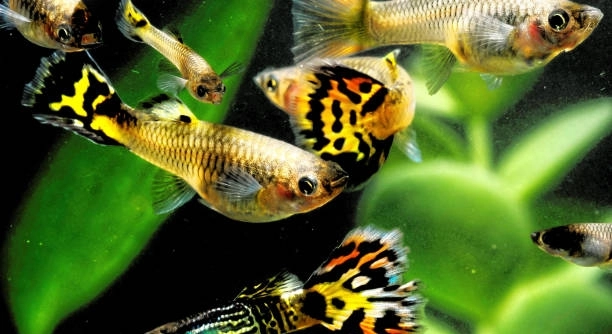
Guppies are lively fish that enjoy swimming around, but sometimes, they avoid certain areas of the tank. If you’ve noticed this behavior, there could be a few reasons behind it. Understanding these reasons can help improve their environment.
The main cause of guppies avoiding water flow is the current in the tank. Guppies, like many small fish, prefer calm waters and may steer clear of areas with strong currents, which can stress them out.
The reasons behind this behavior are important to know. By identifying the cause, you can create a better tank environment for your guppies and improve their overall well-being.
1. The Current Is Too Strong for Them
Guppies are small, delicate fish that thrive in calm waters. Strong water currents can make them feel stressed or uncomfortable. They might avoid swimming near filters or pumps because the current is too harsh for them. When the water flow is too much, it’s hard for them to swim naturally. This can lead to them hiding or seeking areas where the current is gentler. Ensuring that the flow isn’t too powerful is key to creating a stress-free environment for them.
A strong current can also lead to your guppies becoming fatigued. Constantly battling against the flow of water can cause them to tire quickly and negatively impact their overall health.
If you notice your guppies avoiding the flow, it’s a sign that they are uncomfortable. You can adjust the water flow by placing the filter at an angle, using a sponge filter, or adding flow-control devices. Reducing the flow gives your guppies more freedom to swim around without being stressed. This simple change can make your guppies feel more at ease in their home.
2. Water Temperature Fluctuations
Fish are sensitive to temperature changes, and sudden shifts can cause discomfort. Guppies, being tropical fish, prefer stable warm water. If the water temperature fluctuates, they may avoid areas where the temperature is uncomfortable. These changes can happen if your heater is malfunctioning or if your aquarium is placed in a spot with varying room temperatures.
Maintaining a consistent temperature is important for the well-being of your guppies. It’s best to keep the tank at around 72-82°F (22-28°C) and avoid sudden spikes or drops. A reliable aquarium heater can help maintain a steady temperature. Additionally, regularly checking the tank temperature ensures that no unexpected changes occur.
To avoid temperature stress, place the aquarium away from windows, air conditioners, or heaters, which can cause the temperature to change quickly. By creating a stable and comfortable environment, your guppies will feel more secure and will likely become more active, happily swimming through the tank without avoiding areas of it.
3. Poor Water Quality
Poor water quality can stress guppies and make them avoid certain areas. If the water isn’t properly filtered or the tank isn’t cleaned regularly, toxins like ammonia or nitrites can build up. This makes the environment uncomfortable for your fish, and they may steer clear of certain spots to avoid polluted areas.
The quality of the water affects not only their health but also their behavior. Guppies need clean, well-maintained water to feel safe and swim freely. Regular water changes, testing water parameters, and proper filtration can help keep the water quality in check.
Even slight imbalances in pH, hardness, or temperature can affect your guppies. If you’re not performing regular water tests, these issues can go unnoticed. Consider adding a high-quality filter and ensuring the tank gets cleaned at least once a week to maintain good water quality. Guppies will thrive in a clean and stable environment, and you’ll notice less avoidance of the water flow.
4. Overcrowding in the Tank
Too many guppies in a tank can lead to overcrowding, which causes stress and discomfort. When space becomes limited, guppies may feel threatened and avoid certain areas to escape from the crowd. This can also result in poor water quality, as the fish will produce more waste than the filter can handle.
Overcrowding often leads to more aggression and a higher chance of disease. If there isn’t enough space for them to swim freely, guppies will become more reserved and might avoid certain parts of the tank. To avoid overcrowding, ensure there is enough room for each fish to swim comfortably.
One way to manage this is by sticking to the rule of thumb: one inch of fish per gallon of water. If you have more than that, it might be time to consider getting a larger tank or reducing the number of fish in your aquarium. With fewer guppies, you’ll see them become more active and less likely to avoid the water flow.
5. Stress from Tank Mates
Stress can arise from aggressive or territorial tank mates. If you have fish that chase or nip at your guppies, they may avoid certain areas of the tank to escape the aggression. Guppies, being peaceful, are more likely to retreat if they feel threatened.
Aggressive fish can also cause guppies to hide more often or swim in places where they feel safer, like behind plants or decorations. This added stress impacts their health, making them more likely to avoid areas with strong water flow.
Choosing peaceful tank mates is important. Species like tetras or other calm fish work well with guppies. Keep an eye on any aggressive behavior to ensure your guppies remain comfortable and active in the tank.
6. Lack of Hiding Spaces
Guppies, like most fish, need hiding spots where they can feel safe. Without enough plants, decorations, or caves, they may avoid certain areas, especially if they feel exposed. The absence of hiding places can make guppies feel vulnerable and stressed.
Adding live or artificial plants, rocks, and caves gives your guppies places to hide and feel secure. These hiding spots also provide a place for them to rest without constantly swimming against the flow. The more hiding spaces available, the more likely they will explore the tank and avoid avoiding the current.
7. Feeding Issues
If guppies are not getting enough food or their diet is not balanced, they may avoid active areas, including water flow. Guppies need a variety of foods to stay healthy and energetic. An insufficient diet can cause lethargy, making them less likely to swim and interact with the tank.
FAQ
Why do guppies avoid strong water flow?
Guppies are small, peaceful fish that prefer calm waters. Strong currents can make swimming difficult and stressful for them. When the water flow is too strong, it becomes hard for guppies to swim naturally, which can cause them to seek refuge in calmer areas of the tank. This avoidance is often due to their need for a comfortable and stress-free environment.
Can poor water quality cause guppies to avoid certain areas?
Yes, poor water quality is one of the main reasons guppies may avoid specific areas of the tank. If ammonia, nitrites, or nitrates build up in the water, it creates an uncomfortable environment. Guppies will often swim away from areas that feel polluted or unhealthy, seeking refuge in spots that are less affected by the toxins. Regular water testing and maintenance are essential to keep the water clean.
How can I reduce the water flow in my tank for guppies?
To reduce water flow, you can adjust the filter’s output or position it at an angle to disperse the current. Alternatively, use a sponge filter or add a flow-control device. These options help to create a gentler environment for your guppies, allowing them to swim freely without being pushed around by strong currents.
What is the best water temperature for guppies?
Guppies thrive in a warm, stable environment. The ideal temperature for them is between 72-82°F (22-28°C). Sudden temperature fluctuations can cause stress and make guppies avoid certain areas of the tank. To maintain a consistent temperature, use a reliable aquarium heater and monitor the temperature regularly.
Can overcrowding cause guppies to avoid the water flow?
Overcrowding can certainly lead to stress for guppies, and they may avoid areas of the tank if there are too many fish competing for space. When the tank is too crowded, there isn’t enough room for each fish to swim comfortably. This can cause guppies to retreat to certain areas to escape the pressure. Keeping the tank at the proper fish-to-water ratio helps avoid overcrowding and gives your guppies space to explore.
How can I tell if my guppies are stressed?
Stressed guppies may exhibit a few noticeable signs. They might hide more than usual, swim less, or appear lethargic. If you see them avoiding the water flow or staying in one area of the tank for extended periods, it could be a sign of stress. Additionally, changes in their coloring, such as fading or darkening, could indicate discomfort.
Should I separate aggressive fish from guppies?
Yes, if you notice aggression from other tank mates, it’s best to separate them from your guppies. Guppies are peaceful fish and can be easily intimidated by aggressive or territorial species. Keeping peaceful tank mates, like small tetras or mollies, will help prevent stress and ensure your guppies feel secure.
What can I do to improve the water quality for my guppies?
To improve water quality, perform regular water changes (at least 20-25% every 1-2 weeks) and use a good filtration system. Test the water frequently for ammonia, nitrites, and nitrates to ensure the levels are safe. Additionally, avoid overfeeding your guppies to prevent excess waste that could pollute the water.
Do guppies need hiding spots in their tank?
Yes, guppies need hiding spots to feel safe. Providing plants, decorations, or caves in the tank offers them a place to rest and escape from potential threats. Having places to hide reduces stress and encourages more natural behavior. If there are no hiding spots, guppies may avoid open areas and seek refuge in spots with less water flow.
Can guppies get along with other fish?
Guppies can generally get along well with peaceful fish that aren’t too aggressive. They tend to thrive in community tanks with fish like tetras, mollies, and platies. However, they should be kept away from larger, more aggressive species that may stress them or outcompete them for food and space.
Why do my guppies stay near the surface of the water?
Guppies might stay near the surface of the water if they are seeking more oxygen or if the water temperature is too high. Guppies, like many other fish, need a good supply of oxygen, and they may rise to the surface when it’s lacking in the lower levels of the tank. If the water temperature is too warm, they might move to the cooler upper layers as well.
How often should I feed my guppies?
Guppies should be fed small portions 2-3 times a day. Overfeeding can lead to water quality problems, so it’s important to offer only as much food as they can consume in a few minutes. A varied diet that includes high-quality flakes, pellets, and occasional live or frozen foods like brine shrimp can help keep your guppies healthy and active.
Do guppies need a filter in their tank?
Yes, a filter is essential for keeping the water clean and providing your guppies with a healthy environment. The filter helps remove waste, excess food, and toxins from the water. It’s important to choose a filter that is suitable for the size of your tank and the type of fish you have.
Final Thoughts
Understanding why your guppies are avoiding the water flow is essential in ensuring they stay healthy and comfortable. There are many factors that can cause them to behave this way, from strong currents to poor water quality. Each of these factors can cause stress for your fish, and stress is something guppies don’t handle well. By paying attention to the flow in your tank, the temperature, and the overall environment, you can help your guppies feel more at ease.
If you find your guppies are avoiding the water flow, it’s important to act quickly to identify the cause. Whether it’s adjusting the filter flow, improving water quality, or ensuring there are no aggressive tank mates, the solution is often simple and easy to implement. You don’t need to make major changes to your tank to resolve the issue—small adjustments can make a big difference. Regular water changes, monitoring water parameters, and providing adequate hiding spots will all contribute to a healthier and happier tank.
In the end, creating a peaceful, balanced environment for your guppies should be the goal. Guppies thrive in a calm tank with stable water conditions and gentle currents. By keeping an eye on these factors and adjusting as necessary, you will help ensure your guppies live a long, healthy life. It’s important to remember that small changes can lead to big improvements, and your guppies will appreciate the effort you put into making their environment better.

Hello,
If you enjoy the content that we create, please consider saying a "Thank You!" by leaving a tip.
Every little bit helps us continue crafting quality advice that supports the health, happiness, and well-being of pets around the world, for pets of all shapes, sizes, and species.
We really appreciate the kindness and support that you show us!