
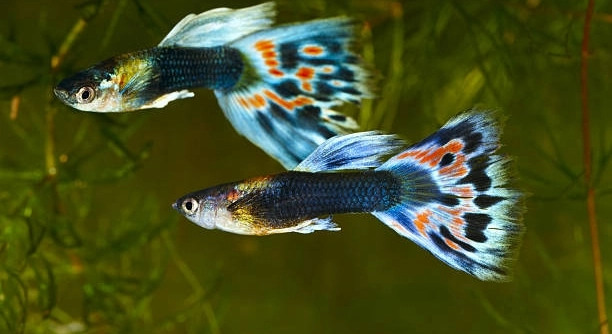
If you have guppies in your aquarium, you may have noticed that they avoid the air bubbles in the tank. This behavior might seem odd, but it’s actually quite common. Several factors can contribute to this issue.
There are various reasons why guppies may avoid air bubbles, such as the presence of current, stress, or water quality issues. Guppies may prefer calm water over bubbles, or they could be avoiding bubbles due to oxygen saturation or water temperature.
Understanding why your guppies avoid air bubbles is important for maintaining a healthy tank. By considering factors such as water flow and quality, you can improve their comfort and overall well-being.
Water Flow and Tank Setup
Guppies are naturally found in calm waters, so the water flow in your tank plays a big role in their comfort. Strong currents from filters or air stones might make them avoid areas where the bubbles are concentrated. If the water is too turbulent, guppies might prefer hiding in calm spots. This behavior could stem from their instinct to seek stable conditions. It’s essential to observe your guppies’ behavior after adjusting water flow. They will likely find their comfort zone in calmer waters.
The flow of water can directly affect their swimming patterns. If your guppies spend more time near the tank’s edges, consider adjusting the filter or air pump. This can help them feel more secure.
In some cases, lowering the filter’s flow rate or relocating it can make a noticeable difference. This adjustment creates a better environment for your guppies and encourages them to explore other areas of the tank, including those near the air bubbles.
Water Quality
Water quality is another factor that might influence your guppies’ behavior. When water conditions are poor, guppies may avoid certain areas of the tank, especially if the water is too warm or lacks oxygen. To ensure your guppies stay comfortable, regular water testing is necessary. Monitoring parameters like pH, ammonia, and nitrite levels will keep the tank healthy.
Guppies are sensitive to changes in water conditions, and improper maintenance can make them stressed. Ensuring water quality will improve their behavior, allowing them to move freely without discomfort. Regular water changes and filtration can help create a stable environment for your fish.
Stress and Overcrowding
Stress can make your guppies avoid certain areas of the tank, including spots with air bubbles. Overcrowding, in particular, contributes to anxiety. When there are too many guppies in the tank, they might feel threatened and search for quieter, more secure places. This can cause them to avoid the bubbles.
Overcrowding can lead to poor water quality, which further exacerbates stress. Guppies need space to swim freely, and too many fish in a small area can lead to constant competition for resources like food and oxygen. Make sure your tank is not overpopulated, and that each guppy has enough space to move around.
Even if the tank isn’t overcrowded, other stress factors like loud noises or sudden movements around the aquarium can cause guppies to avoid areas with air bubbles. Reducing external stressors can help them feel more comfortable in the tank.
Oxygen Levels
Low oxygen levels in the water could be another reason guppies avoid bubbles. Although the bubbles create some oxygen, they don’t always provide enough to meet your guppies’ needs. If the oxygen levels are too low, they may seek out calmer areas of the tank instead of swimming through bubbles.
To improve oxygenation, ensure that the filter is working correctly and that the water surface is adequately disturbed. You can also increase surface agitation by adjusting the air pump. This will help oxygen circulate better and make the tank more comfortable for your guppies.
Check the oxygen levels with a test kit to see if this is a concern. If the oxygen levels are fine, then it’s likely that other factors are influencing your guppies’ behavior. Adjusting the air pump or filter flow could be beneficial in this case.
Water Quality
Poor water quality is a major factor in why guppies avoid air bubbles. High levels of ammonia, nitrites, or nitrates can irritate your fish, making them uncomfortable. This can lead them to swim away from certain areas, including spots with bubbles. Regular water changes and proper filtration can help.
Ensure the water is clean and free from toxins by testing it regularly. Using an effective filter and changing a portion of the water weekly can reduce harmful chemicals, improving the environment for your guppies. Clean water will help them feel more at ease and less likely to avoid the bubbles.
Tank Decorations
Tank decorations and layout may also play a role in how your guppies interact with bubbles. If there are too many objects or plants near the air stone, your fish might avoid the bubbles. Guppies may prefer areas where they can hide or swim freely without encountering obstacles.
Consider rearranging your decorations to give guppies more space. This will allow them to navigate the tank more easily and reduce the chance of them feeling cornered or stressed when they come across the bubbles.
Feeding
Overfeeding can negatively impact water quality and cause guppies to avoid certain areas. When there’s excess food in the tank, it breaks down and affects water parameters. Guppies may avoid the bubbles if the water is polluted by uneaten food. Make sure to feed in moderation and remove leftovers.
FAQ
Why do guppies swim away from air bubbles?
Guppies may swim away from air bubbles due to several factors such as strong currents, stress, or water quality issues. Strong air pump currents can create turbulence that makes the water feel less comfortable for them. Stress from overcrowding, poor water conditions, or sudden changes in the tank can also lead guppies to avoid the bubbles. Additionally, if the oxygen levels in the water are already high, guppies may not find the bubbles necessary for their survival.
Do guppies prefer still water or bubbles?
Guppies generally prefer calm water rather than water with excessive movement, as they are small, delicate fish. Although they do need oxygen, they typically seek out areas of the tank that are not affected by strong currents or bubbles. When bubbles cause water disturbance, guppies may avoid those areas to find a calmer swimming space.
Can guppies get stressed by air bubbles?
Yes, guppies can experience stress from air bubbles if the bubbles create excessive movement in the tank. Stress can arise if the bubbles interfere with the normal flow of water or cause the guppies to feel cornered. A stressed guppy may avoid the bubbles and seek more peaceful areas to swim.
How can I reduce the stress caused by air bubbles in my guppy tank?
To reduce stress caused by air bubbles, try adjusting the air pump to lower the intensity or use a sponge filter. This will ensure that the water remains oxygenated without creating too much surface agitation. You can also rearrange the tank to reduce water movement and create calm zones where your guppies feel safe.
Is it normal for guppies to avoid bubbles altogether?
It can be normal for guppies to avoid bubbles if they are sensitive to water flow or if the tank environment is not ideal. They may simply prefer calmer areas of the tank where they feel less disturbed. However, if the avoidance is accompanied by signs of distress like unusual swimming patterns or lack of activity, it may indicate underlying problems.
Can the temperature of the water affect how guppies react to bubbles?
Yes, water temperature can impact guppies’ behavior around bubbles. If the water is too warm or too cold, guppies may become lethargic and less likely to interact with the bubbles. Temperature extremes can also cause them to avoid areas with higher water movement, including spots where the bubbles are concentrated.
What’s the best water flow for guppies?
Guppies thrive in moderate water flow. Strong currents can stress them out, while very still water can cause oxygen depletion. A gentle, steady flow is ideal. Using a filter with adjustable flow or adding a sponge filter can help create the perfect balance, allowing your guppies to swim freely without being pushed around too much.
How often should I clean my tank to help my guppies interact with bubbles?
Regular tank maintenance is key to ensuring your guppies are comfortable and the water quality is optimal. Clean the tank at least once a week by changing 10-20% of the water. Also, remove any uneaten food and debris to prevent water quality issues that might cause guppies to avoid the bubbles.
Can air bubbles cause problems in the tank?
Air bubbles themselves don’t usually cause problems unless they interfere with water movement or cause oxygen levels to rise too high. If the bubbles create excessive turbulence or reduce the overall water circulation, it can make the environment less comfortable for guppies. In some cases, if the bubbles come from a malfunctioning air pump, they might be releasing impurities into the water.
Are there any other factors that could make guppies avoid bubbles?
Yes, factors like tank size, overfeeding, and the presence of tank mates can influence whether guppies interact with bubbles. If the tank is overcrowded or too small, guppies may avoid certain areas, including spots with air bubbles. Similarly, overfeeding leads to poor water quality, which can make the bubbles unpleasant for them.
Do guppies need bubbles to survive?
While air bubbles do help with oxygenation, guppies do not necessarily need them to survive. A well-maintained filter and proper water circulation are usually enough to provide sufficient oxygen. If your guppies are avoiding the bubbles but still appear healthy, their needs may already be met by the existing filtration system.
What type of filter is best for guppies who avoid air bubbles?
For guppies that avoid air bubbles, a sponge filter is often the best option. Sponge filters provide gentle water movement while still helping to oxygenate the tank. This filter type also creates minimal water disturbance, reducing stress for your guppies and preventing them from avoiding areas with bubbles.
How can I tell if my guppies are stressed from bubbles?
Signs of stress in guppies include erratic swimming, staying near the surface, or hiding in the corners of the tank. If your guppies are avoiding the bubbles and showing these behaviors, it could indicate that the air bubbles or the current created by them are causing stress.
Should I remove the air pump if my guppies avoid bubbles?
If you notice that your guppies consistently avoid bubbles and show signs of stress, it may be worth lowering the intensity of the air pump or even temporarily removing it. You can also try adjusting the placement of the air stone to minimize its impact on the water flow.
Final Thoughts
Guppies are small, sensitive fish that can be affected by various factors in their environment. If they are avoiding air bubbles, it’s important to consider a range of possibilities. From water quality to stress and overcrowding, there are several reasons why your guppies may not be interacting with bubbles as expected. Taking a close look at their surroundings can help you identify the root cause. Addressing these issues will not only improve their comfort but also contribute to a healthier, more stable aquarium.
One of the key factors to keep in mind is the tank’s water quality. Regular water changes, filtration, and monitoring of ammonia, nitrite, and nitrate levels are essential. Poor water conditions can lead to a variety of problems, including the avoidance of bubbles. Additionally, excessive feeding and the buildup of uneaten food can worsen the water quality, leading to stress for your guppies. Maintaining clean and well-oxygenated water is critical in ensuring your fish are comfortable and healthy.
It’s also important to pay attention to the flow of water and the presence of strong currents in the tank. Guppies typically prefer calm waters where they can swim freely. If the air bubbles are creating too much movement, they may avoid these areas. Adjusting the flow rate of your filter or air pump can provide a more stable environment for your guppies. By making small changes to their habitat, you can create a space where they feel safe and can interact with the bubbles without any distress.

Hello,
If you enjoy the content that we create, please consider saying a "Thank You!" by leaving a tip.
Every little bit helps us continue crafting quality advice that supports the health, happiness, and well-being of pets around the world, for pets of all shapes, sizes, and species.
We really appreciate the kindness and support that you show us!