
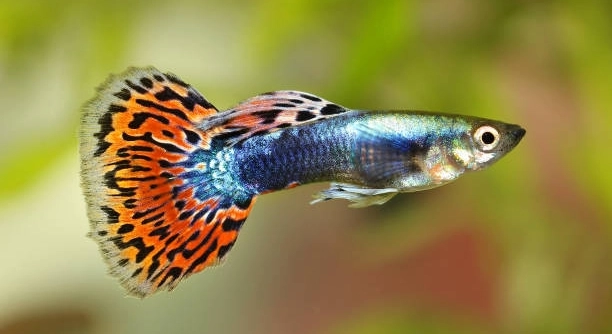
If you’ve recently introduced new tank mates to your guppies, you may have noticed some strange behavior. Your fish might seem unusually shy or avoid the newcomers altogether. Understanding this behavior can help address the issue.
The primary reason guppies avoid new tank mates is stress caused by territorial instincts or incompatible tank conditions. Guppies are social but can be wary of unfamiliar fish. This avoidance is a natural response to environmental changes.
Learning about what triggers this behavior in guppies will help you create a peaceful and stable tank environment for all your fish.
Stress from the New Environment
When you introduce new tank mates, the environment changes for your guppies. Fish are sensitive to shifts in their surroundings, and the addition of new members can cause anxiety. Guppies are particularly reactive to unfamiliar species, which might make them retreat or act shy. This stress can also lead to decreased appetite, hiding behavior, or sudden bursts of swimming. These signs indicate that your guppies are not comfortable with the new setup and need time to adjust. Overcrowding in the tank can exacerbate the situation, as it limits the space your guppies feel they control.
Many fish, including guppies, thrive in a stable and predictable environment. To minimize stress, it’s important to give your guppies time to adapt. A gradual introduction of new fish into the tank can help avoid overwhelming them. Avoid sudden tank changes that could increase anxiety, such as altering water conditions drastically or introducing too many fish at once.
Creating a safe and stable space for your guppies will encourage them to be more social and less fearful. Adjustments to the tank should be gradual, allowing your guppies time to adapt without additional stress. Keep an eye on their behavior for signs of improvement.
Tank Size and Overcrowding
The size of your tank plays a major role in how comfortable your guppies feel with new tank mates. If the tank is too small, it can create competition for space, leading to stress.
Overcrowded tanks limit your fish’s ability to establish personal territory, which is especially important for guppies. Without enough space, they might feel threatened by other fish, leading to aggression or avoidance. As guppies are active swimmers, a cramped environment can make them anxious. Additionally, smaller tanks can lead to water quality problems, further stressing your fish. If your tank is too small, it’s essential to consider upgrading to a larger one to accommodate both your existing and new fish.
A general rule is to provide at least one gallon of water per inch of fish. This will give your guppies the space they need to establish their territory and feel comfortable in the presence of new tank mates.
Incompatible Fish Species
Some fish species are more aggressive or territorial than others, and introducing them to your guppies can cause issues. Guppies are peaceful fish and may not interact well with more aggressive tank mates, which can lead to avoidance behaviors.
If you introduce fish with a more dominant personality, your guppies may choose to hide or swim in isolated areas. This is their way of avoiding conflict. Species like cichlids or goldfish, known for their more aggressive nature, can make your guppies feel threatened. It’s important to research the compatibility of species before adding them to your tank. Even though guppies are social, they need peaceful companions to thrive.
Fish that are similar in size, temperament, and environmental needs are often the best companions for guppies. Tank mates such as neon tetras, mollies, or other peaceful species will likely blend well with guppies. Ensure that each species has enough space and food, which can reduce aggression and stress in the tank.
Water Quality
Water quality is another important factor that can affect your guppies’ behavior around new tank mates. Poor water quality can increase stress and cause guppies to act defensively.
Maintaining clean, properly filtered water is crucial to keeping your fish healthy. If ammonia, nitrites, or nitrates accumulate in the tank, it can lead to a decline in the overall health of your guppies. In such conditions, they might avoid interacting with new tank mates as they focus on coping with the stress from the water. Regular water changes and proper filtration will help your guppies feel more comfortable and less likely to act out due to poor water conditions.
Before adding new fish, check the water parameters to make sure they are stable. Testing the water for pH, temperature, hardness, and chemical levels will give you a clear picture of its quality. When water conditions are ideal, your guppies are more likely to interact positively with their new tank mates.
Fish Size Disparities
Size differences between guppies and their new tank mates can lead to stress. Guppies may feel intimidated by larger fish and avoid them to stay safe.
Larger fish may also be more dominant, causing smaller guppies to retreat or hide. Guppies, being small and peaceful, often prefer tank mates of a similar size. A significant size difference can lead to tension, with the guppies avoiding the newcomers out of fear. This could also result in more aggressive behaviors from the larger fish.
Ensure that tank mates are generally the same size or smaller than your guppies to prevent this behavior. Compatibility in size will help maintain harmony in the tank.
Territorial Behavior
Guppies are territorial creatures by nature. When new fish are introduced, your guppies may try to defend their territory.
Each guppy likes to establish its own space within the tank, especially if the tank is small. The introduction of new tank mates can threaten their sense of control, leading them to avoid areas where they feel insecure. If you have a well-planted tank, guppies may claim these spaces and avoid new fish that invade their territory. Consider providing additional hiding spots or rearranging decorations to minimize territorial disputes.
This behavior often diminishes once guppies feel more comfortable and confident in their environment.
Tank Conditions and Temperature
Water temperature can significantly impact the behavior of your guppies. If the temperature fluctuates too much, they may avoid new tank mates.
Guppies are tropical fish and prefer stable water temperatures between 72°F and 82°F. If the tank is too cold or too hot, guppies might become stressed and avoid social interaction with newcomers. Inconsistent temperatures can cause physical stress, weakening your guppies’ immune system. Check the tank’s heater regularly to ensure it maintains an even temperature to support your guppies’ health. When temperature conditions are stable, they are more likely to tolerate new fish.
FAQ
Why are my guppies hiding all the time?
Hiding behavior in guppies can occur due to stress, poor water quality, or an overcrowded tank. When guppies feel threatened by tank mates or environmental changes, they may retreat to safe spots. Ensure the water parameters are stable, provide plenty of hiding spaces, and avoid overcrowding to help them feel more secure.
Do guppies get along with all other fish?
Not all fish are compatible with guppies. Guppies are peaceful, small fish that can be stressed by aggressive or larger species. It’s best to pair them with other peaceful fish of similar size. Avoid aggressive species like cichlids or fish known to be territorial.
How can I reduce aggression in my guppy tank?
To reduce aggression, keep the tank well-stocked with peaceful fish of similar size and temperament. Add plenty of plants and hiding spots to help guppies claim their space. Avoid keeping fish that are overly territorial or aggressive, and keep water conditions stable to prevent stress.
Can guppies live with shrimp or snails?
Yes, guppies can generally live with shrimp and snails. Both are peaceful and make good tank mates for guppies. However, ensure the tank is large enough to accommodate them and provide adequate hiding spots for the shrimp to avoid being eaten by the guppies, especially if they are small.
Should I add new fish to the tank all at once or gradually?
Adding new fish gradually is better for the overall balance of the tank. This allows existing fish, including guppies, to adjust to the changes without feeling overwhelmed. Introduce one or two new fish at a time and monitor how they interact with the established tank mates.
Can guppies live with bettas?
It is generally not recommended to keep guppies with bettas, especially males. Bettas are aggressive and territorial, and their long, flowing fins can provoke the betta into attacking. If you still want to keep them together, a well-planted, large tank may help, but it’s a risky combination.
How can I tell if my guppies are stressed?
Stressed guppies may exhibit signs like swimming erratically, hiding more than usual, or having reduced appetite. They may also display faded colors or clamped fins. Ensure water quality is good, the tank isn’t overcrowded, and the guppies are not being bullied by other fish.
Why aren’t my guppies breeding?
Guppies may not breed if the water conditions are not ideal or if the tank is too stressful. Ensure the water temperature is between 72°F and 82°F, and the pH is within the appropriate range for guppies (around 7.0 to 8.0). Additionally, consider having a balanced male-to-female ratio, as too many males may cause stress.
Can guppies and goldfish live together?
It’s not recommended to keep guppies and goldfish together. Goldfish are cold-water fish, while guppies are tropical and require warmer water temperatures. The temperature difference alone can lead to stress for one or both species. Also, goldfish can be larger and may eat smaller guppies.
Why is my guppy chasing another guppy?
Male guppies may chase females as part of their mating behavior. If you see this happening frequently, it could be that there are more males than females in the tank. If the chasing is aggressive, it could also be a sign of territorial behavior.
What size tank do guppies need?
Guppies need at least a 10-gallon tank, though a larger tank is ideal for multiple guppies. A larger tank will reduce territorial stress and give guppies more space to swim and establish their own territories. The larger the tank, the more stable the water conditions will be.
How often should I feed my guppies?
Feed your guppies small amounts of food two to three times a day. They have small stomachs, so overfeeding can lead to water quality problems. Make sure to provide a balanced diet, including high-quality flakes, pellets, and occasional live or frozen food.
Can guppies tolerate high water flow?
Guppies generally prefer gentle water flow. Strong currents can cause stress, especially for baby guppies or those with weaker swimming abilities. If the water flow in your tank is too strong, try adjusting the filter or adding plants to break the current and provide calmer areas.
How do I know if my guppy is sick?
Sick guppies often display symptoms such as faded colors, clamped fins, lethargy, or difficulty swimming. If you notice abnormal behavior, check the water quality and consider isolating the sick fish to prevent any potential spread of disease. Early diagnosis and treatment are essential for recovery.
Can guppies live with algae eaters?
Yes, guppies can live with algae eaters like snails or certain species of catfish. These tank mates will not disturb the guppies and help maintain the cleanliness of the tank by eating algae. Just ensure the tank is large enough to accommodate both species and has adequate hiding spaces.
Why is my guppy turning black?
A guppy turning black can be a sign of stress, illness, or injury. It could also indicate a genetic trait or age-related change, especially in older guppies. If the discoloration is sudden and accompanied by other symptoms, check for any water quality issues or signs of disease.
Final Thoughts
Understanding why guppies may avoid new tank mates is key to ensuring a peaceful and healthy aquarium environment. Several factors, including tank size, water quality, and fish behavior, play a role in how guppies interact with newcomers. Guppies are naturally peaceful, but they can become stressed by changes in their environment or the introduction of incompatible species. By observing their behavior and addressing potential issues like aggression, size differences, or territorial disputes, you can help create a balanced and harmonious tank. Ensuring that all fish are compatible and that their living conditions are stable will improve their overall well-being.
If you’re still noticing that your guppies are avoiding new tank mates despite making adjustments, it’s important to consider the specific needs of each species involved. Some fish may naturally be more dominant, and others may simply require more time to adjust. This is especially true if the tank mates are of a different size or temperament. Patience is often required as the fish settle into their new environment. Monitoring interactions closely will help you identify if any changes or further adjustments are necessary. You may need to try different combinations of fish to find the most compatible group for your guppies.
Maintaining a healthy aquarium is an ongoing process. It involves more than just adding new fish; it requires attention to water parameters, tank cleanliness, and creating an environment that reduces stress for all inhabitants. By focusing on the needs of your guppies and their tank mates, you can ensure that your aquarium is a safe and enjoyable space. Over time, as you gain experience, you will become more adept at managing the relationships between your fish and creating the best possible living conditions for them.

Hello,
If you enjoy the content that we create, please consider saying a "Thank You!" by leaving a tip.
Every little bit helps us continue crafting quality advice that supports the health, happiness, and well-being of pets around the world, for pets of all shapes, sizes, and species.
We really appreciate the kindness and support that you show us!