
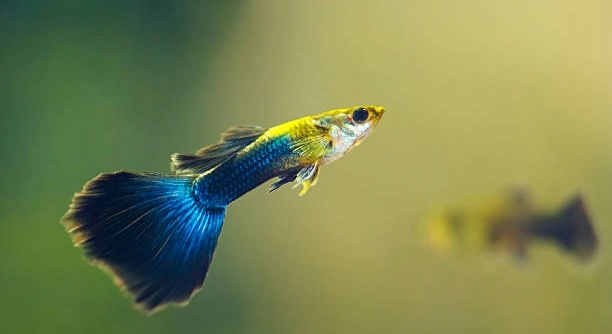
Are your guppies spending more time in the shadows than under the light in their tank? This behavior can seem strange at first, especially if everything else in their environment appears normal.
Guppies often avoid light due to stress, illness, improper tank conditions, or sensitivity caused by sudden environmental changes. In some cases, aggressive lighting or lack of hiding spots may also contribute to this behavior.
Understanding the causes behind this shift can help you make simple adjustments that improve your guppies’ comfort and health in their habitat.
Stress from Sudden Changes
Guppies are sensitive to changes in their environment. Moving them to a new tank, shifting decorations, or sudden light changes can make them uncomfortable. Even a small temperature drop or a loud noise can trigger stress. When guppies feel uneasy, they often seek shelter and avoid bright spaces. Their natural instinct is to hide when something doesn’t feel right. If the lighting in your tank has recently changed—maybe it’s too bright or left on for too long—it might be bothering them. They may also retreat from light if they’re not used to the tank setup yet. Stress can lower their activity levels and make them more prone to hiding. Watching their behavior after any change can help you figure out what’s affecting them.
Avoid sudden changes in light or tank position, especially when introducing new guppies. Keep a stable environment so they feel safe and relaxed.
When setting up your aquarium, make transitions gradual. Use a timer to control the lighting, so they have a consistent day and night rhythm. Introduce new objects slowly, and try not to shift things around often. This keeps your guppies from getting anxious. Over time, they will adjust better and become more active in all parts of the tank.
Lighting That’s Too Intense
Harsh lighting can be overwhelming for guppies. They prefer soft lighting that mimics natural conditions.
If the tank light is too strong, guppies may constantly hide or swim near the bottom where the lighting is less intense. Bright, unfiltered light can be stressful and make it hard for them to relax. This is especially true in tanks without enough cover or shaded areas. Guppies are naturally drawn to spots that feel safe, so if the light is blasting the whole tank, they may avoid the lit areas entirely. One way to fix this is by adjusting the light intensity or switching to a dimmable LED setup. Adding floating plants like duckweed or water lettuce also helps by creating dappled light and shaded areas. It not only makes the tank look more natural but gives guppies space to feel protected. You can also limit the hours the light is on to about 8 to 10 hours per day, giving them a proper rest period and reducing stress.
Poor Water Quality
Bad water conditions can make guppies hide and avoid the light. Ammonia spikes, high nitrate levels, or low oxygen can cause stress, making them seek darker, quieter parts of the tank to feel safe.
Guppies are sensitive to poor water quality, and it affects their behavior fast. Dirty water can irritate their skin and gills, making them more likely to retreat from the light. If you notice your guppies acting sluggish or hiding a lot, test the water right away. Check for ammonia, nitrites, and nitrates using a reliable kit. Perform small, regular water changes—about 25% weekly—to keep conditions clean. Overfeeding is a common cause of waste buildup, so feed small portions and remove uneaten food. Use a proper filtration system that fits your tank size and rinse filter media in tank water to maintain good bacteria.
Besides water changes, make sure the tank is cycled properly. A fully cycled tank has the beneficial bacteria needed to break down harmful waste. If the cycle is incomplete or disrupted, guppies can suffer. Also, keep the tank temperature stable—around 72–82°F—for their comfort. Sudden shifts in temperature can cause them to hide. If you recently added new fish or plants, monitor the water more often since these can affect the balance.
Lack of Hiding Spots
If your tank is bare or has limited places to hide, guppies may feel exposed. Without shelter, they often become anxious and avoid well-lit areas to feel secure.
Guppies naturally seek shelter when they feel stressed or threatened, even if no predators are around. A tank with no plants, caves, or decorations can make them feel unsafe, especially under bright light. Adding hiding spots helps them feel secure, encouraging them to swim more freely in both dark and light areas. Live or fake plants, driftwood, and small caves are easy ways to give your guppies shelter. Floating plants like frogbit also help by blocking harsh light and creating a more calming space. Spread the cover throughout the tank so they don’t all crowd one area. Giving them more options to explore makes them feel more at ease and less likely to stay hidden all day.
Illness or Injury
Guppies that are sick or injured often avoid light because they feel vulnerable. Common signs include clamped fins, pale color, or sluggish swimming. If your guppy is hiding more than usual, it’s a good idea to observe them closely for other symptoms.
Internal parasites, infections, or fin rot can make movement painful or tiring. When they’re not feeling well, guppies tend to stay still in darker corners to conserve energy and reduce stress. Quarantine the affected fish if needed and treat them based on their symptoms to help them recover faster.
Aggressive Tank Mates
Guppies may avoid light if they’re being chased or nipped at by other fish. Bright areas make them more visible, so they retreat to shadowy spots for protection. Watch for fin damage or skittish behavior after adding new fish to the tank.
Overcrowded Tank
When too many fish are kept in one tank, guppies often get stressed and hide more often. Overcrowding limits swimming space and increases aggression. It also affects water quality, which adds to the discomfort. Reducing the number of fish or upgrading to a larger tank can help.
Guppy Fry Behavior
Baby guppies, or fry, tend to avoid light naturally. They often hide in plants or darker areas to stay safe from adult fish that might eat them.
FAQ
Why are my guppies swimming near the bottom and avoiding the light?
Guppies that swim near the bottom and avoid light are often stressed or uncomfortable. This behavior can stem from poor water quality, illness, or even an inappropriate tank setup. Check the water parameters (ammonia, nitrites, nitrates) and temperature. If these are within safe ranges, consider whether your guppies have enough hiding spots or if the lighting is too intense. Stress from sudden changes or aggression from other fish can also cause this behavior.
How can I reduce stress for my guppies?
To reduce stress, make sure the environment is stable. Avoid sudden changes in water temperature, lighting, or tank decorations. Provide plenty of hiding spots like plants, caves, or driftwood so guppies can feel safe. Keep the tank clean with regular water changes and check water parameters regularly. If you notice aggressive behavior from other fish, consider separating them or adding more plants to break up sightlines. A calm environment will encourage guppies to swim freely and explore.
What kind of lighting is best for guppies?
Guppies thrive under soft, natural light. A light intensity that mimics day and night cycles is ideal. Too much bright light can stress them out and cause them to hide. Use an adjustable LED light to control the intensity and set a timer for 8–10 hours of light per day. Floating plants or decorations can help diffuse the light, creating more natural shadows and hiding spots. Keep the light level at a comfortable range to avoid overwhelming your guppies.
Can water temperature affect my guppies’ behavior?
Yes, water temperature significantly impacts guppy behavior. They prefer a range between 72°F and 82°F (22°C to 28°C). If the water is too cold or too hot, guppies may retreat to darker areas or show signs of lethargy. To keep the water at a steady temperature, use an aquarium heater with a built-in thermostat. Sudden temperature fluctuations can stress guppies, so aim for gradual changes if adjustments are needed.
What are the signs that my guppies are ill?
Sick guppies may display several signs, including clamped fins, pale or faded colors, floating sideways, rubbing against objects, or sluggish swimming. If you notice these signs, it’s important to isolate the affected guppy and start treatment. Look for other signs such as bloating, lesions, or white spots, which could indicate specific diseases like fin rot or parasites. Keeping the tank clean and checking water quality regularly will help prevent illness.
Is it normal for guppies to avoid bright light?
Guppies are sensitive to intense light. While they do enjoy light, they can become stressed by overly bright conditions, which can cause them to avoid the light and retreat to shaded or darker areas. It’s best to mimic natural lighting conditions by using adjustable lights with a timer. This allows them to have a consistent light-dark cycle, helping to maintain a stable environment.
How do I know if my guppies are stressed?
Stress can manifest in different ways in guppies. They might hide more often, swim erratically, or have clamped fins. You might also notice a loss of color, a decrease in appetite, or excessive swimming near the tank’s surface. Look for changes in behavior after introducing new tank mates, changing the water, or adjusting the tank setup. These signs may point to stress, and it’s important to address the cause to help your guppies recover.
How often should I change the water in my guppy tank?
Water changes are essential to maintaining a healthy tank environment. It’s recommended to change 20–25% of the water every week. This helps remove toxins, excess nutrients, and waste while keeping the water fresh and clean. Be sure to use a water conditioner to neutralize chlorine and chloramine when filling the tank with fresh water. Regular water changes will also keep your guppies happy and healthy, reducing stress and the risk of disease.
Can I have too many guppies in a tank?
Yes, overcrowding can cause stress and health issues for your guppies. When a tank is overcrowded, it leads to poor water quality, increased aggression, and limited swimming space. As a general rule, allow about 1 inch of fish per gallon of water. For guppies, this means keeping around 6–8 fish in a 10-gallon tank. If your tank feels too crowded, consider upgrading to a larger tank or rehoming some fish to maintain a balanced environment.
Can guppies get along with other fish?
Guppies are generally peaceful fish and get along well with most species. However, they may be harassed by larger, more aggressive fish. It’s important to choose tank mates that are similarly peaceful and won’t bully the guppies. Small, non-aggressive fish like neon tetras or corydoras catfish are good companions. Avoid fish with long, flowing fins or those that are known to be fin nippers. Always monitor interactions when introducing new fish to ensure everyone gets along.
Why are my guppies staying in the corner of the tank?
When guppies gather in the corner of the tank, it usually indicates stress, poor water quality, or a lack of hiding spots. Check the water quality for ammonia, nitrites, and nitrates. If the water is fine, the issue could be too many fish, aggressive tank mates, or an uncomfortable light setting. Adding more plants, caves, or decorations can give your guppies more places to feel secure. Make sure the tank isn’t overcrowded and that everyone is getting along.
Final Thoughts
Guppies are delicate creatures that need a stable and comfortable environment to thrive. When they start avoiding the light, it’s important to consider a few factors that could be causing this behavior. Stress, poor water quality, intense lighting, and the presence of aggressive tank mates can all lead to your guppies seeking shelter in darker areas. Addressing these issues can help restore balance in your tank and make your guppies feel more at ease.
Ensuring that your guppies’ tank has stable water conditions, a proper lighting setup, and enough hiding spots is key to their well-being. Regular water changes, monitoring of ammonia and nitrate levels, and maintaining a comfortable temperature can prevent many common issues. At the same time, providing a tank with a variety of plants and decorations offers your guppies places to hide, reducing stress and allowing them to feel safe and secure. These little adjustments make a big difference in how your guppies behave and their overall health.
If your guppies are avoiding the light, don’t be discouraged. Take the time to observe their environment, make necessary changes, and be patient. It can take some time for guppies to adjust to changes, but with a little attention, they will likely return to their usual active selves. Keeping their tank in top shape and understanding their needs will ensure they stay healthy, happy, and comfortable in their aquatic home.

Hello,
If you enjoy the content that we create, please consider saying a "Thank You!" by leaving a tip.
Every little bit helps us continue crafting quality advice that supports the health, happiness, and well-being of pets around the world, for pets of all shapes, sizes, and species.
We really appreciate the kindness and support that you show us!