
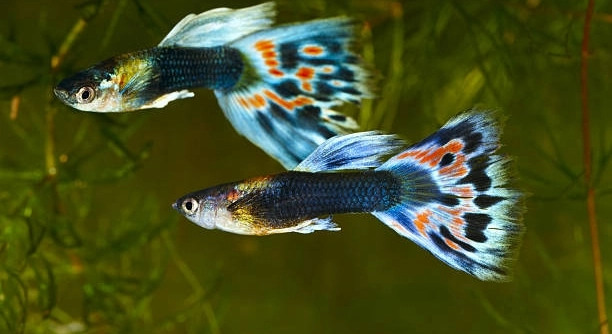
Guppies are popular aquarium fish, known for their vibrant colors and active nature. However, if you’ve noticed your guppies avoiding each other, you may be wondering why this behavior is happening.
The reasons your guppies are avoiding each other can vary. Factors such as stress, water conditions, or overcrowding may play a role. Sometimes, they may simply be displaying natural behavior or dealing with underlying health issues.
Understanding these causes can help you create a better environment for your guppies. From water quality to tank size, there are several factors to consider when it comes to ensuring their well-being.
Stress in Guppies
Stress is a common reason why guppies may avoid each other. When fish feel stressed, they often isolate themselves or swim away from others. Stress can be caused by many factors, such as sudden changes in the environment or tank conditions. If the water temperature fluctuates too much, it can make your guppies feel uncomfortable and anxious. Overcrowding is another factor that causes stress. If there are too many fish in a small tank, guppies might feel threatened and avoid interaction. Additionally, guppies may also avoid each other if there are aggressive tank mates, as they try to escape from any potential threats.
If your guppies seem stressed, the first step is to check the water quality. Proper filtration and consistent water changes can help keep stress levels low. Reducing the number of fish in the tank can also help alleviate overcrowding, providing more space for each guppy to feel comfortable.
It’s important to remember that guppies are sensitive to changes. Even minor alterations in their environment, like new tank decorations or a shift in water parameters, can cause stress. Keeping their surroundings stable is key to reducing stress levels.
Poor Water Quality
Water quality plays a significant role in the well-being of your guppies. If the water is polluted, has improper pH levels, or lacks necessary minerals, your guppies may start to show signs of discomfort and avoid interacting with each other. Dirty water can cause health problems such as skin irritation, which may make the fish more withdrawn.
Check the water regularly to ensure it meets the required standards. Guppies thrive in clean water with a temperature between 72°F and 82°F (22°C to 28°C). If you notice any abnormal behavior, like guppies hiding or avoiding each other, it might be time for a water change or testing the pH and ammonia levels.
Testing kits are available to measure the pH, ammonia, nitrites, and nitrates in the water. These readings will give you a clear understanding of the water quality. Guppies do best in a neutral pH of 7, with low levels of ammonia and nitrites.
Overcrowding in the Tank
Overcrowding can lead to guppies avoiding each other. When there are too many fish in one tank, guppies may feel threatened and withdraw. They might find it harder to establish territory, which can lead to stress and avoidance.
The ideal number of guppies for a tank depends on its size. As a general rule, aim for one inch of fish per gallon of water. This allows them to swim freely and reduces the likelihood of territorial disputes. Overcrowded tanks can also lead to poor water quality, compounding the problem.
If you notice guppies avoiding each other, consider removing some fish or upgrading to a larger tank. Providing enough space and reducing the number of tankmates can ease their stress and encourage better social interaction.
Illness or Injury
Sick or injured guppies may isolate themselves from the group. If one of your fish is feeling unwell, it might avoid the others to rest or recover. Illness can manifest in various ways, including lethargy, discoloration, or abnormal swimming patterns.
Infections, parasites, or injuries can make guppies more vulnerable and less willing to interact with other fish. If you spot any signs of illness, isolate the affected guppy to prevent the spread of disease. A quarantine tank can help with recovery and avoid further stress.
Treating illnesses promptly is crucial to maintaining the health of the entire tank. Clean the tank regularly and use medications as needed to address any health issues. Pay attention to any changes in behavior, as early detection often leads to better outcomes.
Aggressive Behavior
Guppies, especially males, may avoid each other if there’s aggression. Male guppies can be territorial, particularly when competing for females. This aggression may cause the fish to isolate themselves to avoid conflict.
Male guppies tend to chase each other when there are females present. If the tank doesn’t offer enough space for the males to establish territories, they may act aggressively towards one another, leading to stress.
To minimize aggression, consider separating aggressive males or increasing the number of females to spread out attention. Providing plenty of hiding spots and plants can also reduce direct confrontations.
Inadequate Diet
A poor diet can contribute to your guppies avoiding each other. When they aren’t getting the right nutrients, guppies can become lethargic or stressed. This may lead them to isolate themselves.
Guppies need a balanced diet that includes both plant-based and protein-rich foods. A lack of variety in their meals can cause them to be less active and interact less with other fish.
Make sure to provide high-quality fish flakes or pellets, along with occasional live or frozen food like brine shrimp or daphnia to support their health and social behavior.
FAQ
Why are my guppies avoiding each other?
Guppies might avoid each other due to stress, poor water quality, overcrowding, or illness. If they feel threatened, injured, or sick, they tend to withdraw. Aggression, especially from male guppies fighting over females, can also cause them to keep their distance.
Can guppies live together peacefully?
Yes, guppies can live together peacefully when their environment is suitable. A well-maintained tank with enough space, hiding spots, and a proper balance of males and females will help reduce aggression and stress.
How do I know if my guppies are stressed?
Signs of stress in guppies include erratic swimming, hiding, loss of color, or decreased appetite. They may also show signs of aggression, like chasing or fin nipping. Stressed guppies often avoid each other and isolate themselves.
What can I do to stop my guppies from fighting?
To reduce fighting, make sure there are enough females to balance the male guppies. A good rule is to have at least two or three females for every male. Provide hiding spots and plants in the tank to create safe spaces for fish to retreat.
How many guppies can I keep in a 10-gallon tank?
In a 10-gallon tank, you can comfortably keep around 6-8 guppies. The general rule is one inch of fish per gallon of water. Make sure to avoid overcrowding, as this can lead to stress, aggression, and poor water quality.
Do guppies need a heater?
Yes, guppies are tropical fish and prefer warm water. A heater is essential to maintain a stable temperature between 72°F and 82°F (22°C to 28°C). A consistent temperature helps them stay healthy and active, which reduces stress and promotes social behavior.
How can I improve water quality for my guppies?
Regular water changes, using a quality filter, and testing water parameters (like pH, ammonia, and nitrate levels) will keep the water clean. Ensure the water temperature stays within the right range and that the tank isn’t overcrowded, as these factors influence water quality.
Why are my guppies swimming erratically?
Erratic swimming can be a sign of stress, illness, or poor water conditions. It may also indicate an overcrowded tank. Check the water quality, look for any signs of disease, and ensure the tank isn’t too crowded. If the behavior continues, consider isolating sick fish.
Can I add new guppies to an established tank?
Yes, but you should introduce new guppies carefully. Acclimate them slowly to avoid shocking them with sudden temperature or water changes. Ensure the new fish are healthy and compatible with the existing ones to prevent aggression or the spread of disease.
How often should I feed my guppies?
Feed your guppies 2-3 times a day in small amounts they can consume within a few minutes. Overfeeding can lead to water pollution, which can harm the fish. A varied diet, including flakes, pellets, and occasional live or frozen food, will keep them healthy and active.
Why are my guppies not eating?
Guppies might stop eating due to stress, illness, or poor water conditions. If the water quality is off or if the tank is too crowded, it can affect their appetite. Also, ensure the food you’re offering is fresh and appropriate for their diet.
Is it normal for guppies to be territorial?
Yes, male guppies can be territorial, especially when competing for females. This can lead to them chasing or even nipping at other fish. Ensuring there’s enough space and hiding spots in the tank can help reduce this behavior.
Can guppies live with other species?
Guppies are generally peaceful and can live with other species, but it’s important to choose compatible tank mates. Avoid aggressive or larger fish that might prey on them. Some peaceful species that coexist well with guppies include neon tetras, Corydoras catfish, and mollies.
How long do guppies live?
Guppies typically live 2-3 years in a well-maintained tank. Factors like water quality, diet, and stress levels can impact their lifespan. Keeping them in an ideal environment will help them live longer, healthier lives.
What do guppies need to stay healthy?
Guppies need clean water, a stable temperature, a varied diet, and a well-balanced tank environment. Regular water changes, proper filtration, and avoiding overcrowding are essential. Keeping the water temperature within the ideal range also helps prevent stress and promotes good health.
Can guppies be kept with other types of fish?
Yes, guppies can coexist with peaceful species that share similar water requirements. Avoid mixing them with overly aggressive fish. Ideal tank mates include other small, non-aggressive species, like tetras, mollies, and rasboras. Be mindful of the size and temperament of other fish.
What should I do if my guppies are sick?
If your guppies show signs of illness, isolate the sick fish in a quarantine tank to prevent spreading disease. Check the water quality and make necessary adjustments. Use appropriate medications for common fish diseases, and remove any uneaten food to maintain water quality.
Can guppies breed in a community tank?
Yes, guppies can breed in a community tank if there are both males and females present. However, if you don’t want baby guppies, consider adding more males than females to reduce breeding. Alternatively, you can remove the females before they give birth to prevent unwanted fry.
Final Thoughts
Guppies are generally peaceful and social fish, but there are several reasons why they might avoid each other. Factors like stress, overcrowding, illness, and aggressive behavior from other tankmates can cause them to retreat. If your guppies are behaving differently, it’s important to first check their environment. Providing them with a stable, clean, and well-maintained tank is essential for their well-being. Regular water changes, proper filtration, and maintaining the right temperature are some of the basics that go a long way in keeping them healthy.
If your guppies are still avoiding each other after making sure their environment is optimal, consider their diet and any possible health issues. Poor water quality can sometimes be a hidden cause, as small changes in pH, ammonia, or nitrates can stress the fish. Keep an eye out for any signs of illness, such as lethargy or abnormal swimming patterns. If needed, isolate any sick fish to prevent the spread of disease to others in the tank. It’s also important to monitor your guppies’ social dynamics. Sometimes male guppies can be too aggressive, and in such cases, separating overly aggressive males or adding more females to the tank can help reduce tension.
Lastly, be patient and observant. Guppies are usually active and social creatures, so if they’re avoiding each other, it’s likely due to a problem that can be resolved with a little care. Understanding the needs of your guppies and observing their behavior closely will help ensure that they stay happy and healthy. With the right tank setup and attention to their needs, you can create a comfortable environment where your guppies will interact more and thrive.

Hello,
If you enjoy the content that we create, please consider saying a "Thank You!" by leaving a tip.
Every little bit helps us continue crafting quality advice that supports the health, happiness, and well-being of pets around the world, for pets of all shapes, sizes, and species.
We really appreciate the kindness and support that you show us!