
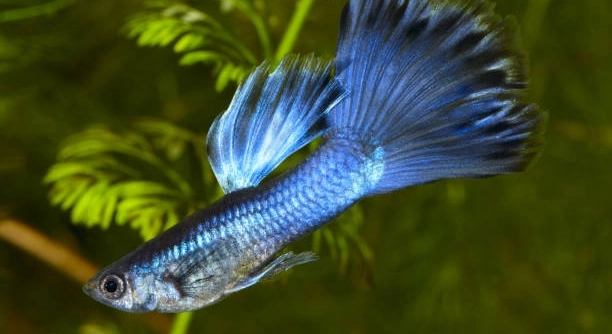
Guppies are small, lively fish that often seem to be constantly hungry. Their active nature can make it seem like they’re always on the lookout for food. But why does it feel like they’re always eating?
There are several reasons why your guppies might appear to be always hungry. Overfeeding, high activity levels, poor water conditions, or a lack of proper nutrients in their diet could all contribute to this behavior.
Understanding why your guppies are always hungry will help you manage their feeding habits better. The right care can ensure your fish stay healthy and happy without overfeeding them.
Overfeeding Your Guppies
It’s easy to think that feeding your guppies more will make them healthier, but overfeeding can lead to bigger problems. Guppies tend to eat whatever food is available, and if they’re constantly given more than they can consume, they’ll eat it all. This can cause excess waste, which may harm their water quality, leading to potential health issues. Additionally, guppies that overeat can become bloated, which is uncomfortable and unhealthy for them. It’s important to provide them with the right amount of food, avoiding excess.
Even though they may beg for food, guppies only need a small amount, usually twice a day. Their small stomachs can only handle so much, so feeding them more than necessary doesn’t help in the long run.
Feeding them too much also increases the risk of water pollution. As uneaten food sinks to the bottom, it decays and affects the water conditions. This could lead to algae growth, which is detrimental to the tank. Always stick to proper portion sizes and remove any leftover food after a few minutes to keep your guppies healthy and your aquarium clean.
Poor Water Quality
When water quality declines, it can affect your guppy’s behavior, making them appear hungrier. Dirty or low-quality water can stress your fish, causing them to seek food more often. Poor water conditions also impact their ability to digest food properly.
Poor water quality can cause harmful toxins to build up, leading to illness. Guppies might react by eating more as a way to cope with stress. Regular water changes and good filtration can prevent this problem. Make sure to monitor the water’s pH, temperature, and ammonia levels to maintain a stable and healthy environment.
Lack of Proper Nutrition
Guppies need a well-balanced diet to stay healthy, and a lack of essential nutrients can cause them to seem constantly hungry. If they’re not getting the right mix of proteins, fats, and vitamins, they’ll instinctively seek out more food.
Poor nutrition can affect your guppy’s growth, energy, and overall well-being. If their diet lacks variety, they may eat more in an attempt to satisfy their hunger. Guppies thrive on high-quality flake food, but supplementing their meals with live or frozen foods like brine shrimp or daphnia provides necessary nutrients. Variety helps keep them satisfied and healthy.
If you’re feeding your guppies the same food every day, they might not be getting all the vitamins and minerals they need. A more diverse diet will help balance their nutritional intake. Ensure you’re offering food appropriate for their size and life stage. Always check labels to make sure you’re feeding them a well-rounded diet that promotes their health.
High Activity Levels
Guppies are active fish, and their constant swimming and exploring can make them appear more hungry than they actually are. When they’re moving around a lot, they burn more energy, leading to increased appetites.
Active guppies burn calories quickly, which causes them to seek food more often. If your guppies swim a lot, they might not actually need extra food, but their increased energy use might make it look like they’re always hungry. It’s essential to match their feeding schedule with their activity levels, providing enough food without overfeeding.
While this behavior is normal, it’s important not to overcompensate by feeding them more than necessary. If your guppies stay active, stick to proper portion sizes, and monitor their health. A balanced diet is key to ensuring that they maintain their energy without the risk of obesity.
Stress
Stress is another reason your guppies might appear constantly hungry. If they’re not in a calm environment, they may eat more to cope with the discomfort. Poor tank conditions or aggression from other fish can contribute to this stress.
Guppies can be highly sensitive to changes in their environment, such as changes in water temperature, lighting, or the presence of aggressive tankmates. When stressed, they may become more focused on food, even if they don’t actually need it. To reduce stress, ensure your tank is peaceful and conditions are stable.
If you notice that your guppies are often hiding, darting around, or acting out of character, it’s a sign of stress. Try separating aggressive fish or adjusting the tank conditions to make them feel safer and more comfortable. A stress-free guppy is more likely to eat only when needed.
Illness or Disease
If your guppies are sick, they may exhibit unusual hunger behavior. Illnesses can increase their appetite as their bodies require extra energy to fight infections. Pay attention to any signs of illness.
When a guppy is unwell, it might eat more than usual to compensate for lost energy. You might also see changes in their appearance, such as clamped fins or discoloration. If your guppy’s behavior seems off or if they’re eating a lot but still showing symptoms, it’s essential to treat the issue promptly. Consider quarantining sick fish and adjusting the water conditions to help them recover.
Tank Overcrowding
Overcrowding your tank can also cause your guppies to seem constantly hungry. When fish are packed closely together, they may compete for food, making it seem like they’re always looking for more.
If your guppies are overcrowded, there might not be enough food for each one, causing some fish to appear hungrier. This can also cause stress, which can make their hunger worse. Ensure you have a proper fish-to-tank ratio, providing plenty of space for each guppy to thrive.
If you find that your guppies are competing for food or constantly chasing each other, it may be a sign that your tank is overcrowded. Reducing the number of fish or upgrading to a larger tank will help ease the problem.
FAQ
Why are my guppies constantly begging for food?
Guppies are naturally curious and active fish. They tend to beg for food because they’re constantly swimming around and looking for something to eat. This behavior is often linked to the way they have been conditioned. If they’ve learned that food is given when they beg, they will continue this habit, whether or not they’re actually hungry. To reduce begging, stick to a set feeding schedule and avoid feeding them whenever they beg. This will help teach them that food is only provided at certain times.
How often should I feed my guppies?
Guppies should be fed 2-3 times a day, with small portions each time. Overfeeding can cause excess waste and lead to poor water quality, which can harm the fish. Offer only as much food as they can eat in 2-3 minutes. If you notice leftovers after feeding, reduce the portion next time. Consistent, small meals are better for their health than large, irregular feedings.
Can I feed my guppies too much?
Yes, you can feed your guppies too much. Overfeeding leads to poor water conditions, which can result in health problems like bloating, swim bladder issues, or obesity. Guppies have small stomachs and only need a small amount of food. If you’re unsure of how much to feed, start with a small portion and gradually increase it, observing how much they can consume in a few minutes.
What should I do if my guppies seem to be overeating?
If your guppies seem to be overeating, first check the feeding schedule and reduce portions accordingly. Avoid offering food multiple times throughout the day if they are not consuming it all. Make sure you’re feeding them high-quality food and not overloading the tank with too much food at once. It’s also important to monitor the water quality regularly to prevent issues like high ammonia levels, which could result from uneaten food.
Why do my guppies eat more than my other fish?
Guppies are small, fast swimmers with high energy levels. They are often more active and more likely to eat frequently compared to other fish species. Their smaller size means they need to eat more often to maintain energy levels. However, they can also appear more hungry if the other fish in the tank are more passive or slower to reach the food.
How can I prevent my guppies from becoming obese?
To prevent obesity in your guppies, it’s essential to avoid overfeeding and provide a balanced diet. Use high-quality flake food or pellets designed for guppies, and occasionally offer live or frozen foods like brine shrimp. Monitor the amount of food given, ensuring it is consumed within a few minutes, and avoid feeding them excess food. Regularly check your guppies for signs of bloating or weight gain, which could indicate overfeeding or a lack of exercise.
What is the best food for my guppies?
The best food for guppies is a varied diet that includes a mix of high-quality flake food, pellets, and live or frozen foods like brine shrimp, daphnia, and bloodworms. This mix ensures they get all the necessary nutrients for proper growth, color, and health. You should also feed them foods rich in proteins, such as daphnia and brine shrimp, to keep their energy up. Avoid low-quality foods that lack essential nutrients, as they won’t support your guppies’ long-term health.
Can I feed my guppies vegetables?
Yes, guppies can eat some vegetables in moderation. Vegetables like blanched spinach, zucchini, and peas are good options for adding variety to their diet. Vegetables provide fiber, which helps with digestion. However, be sure to remove any uneaten vegetables after a few hours to avoid them rotting and polluting the tank. Keep in mind that vegetables should only be given occasionally and not as a primary food source.
Why are my guppies always swimming around the tank?
Guppies are naturally active fish. They love to swim around the tank, exploring every corner and looking for food. Constant movement is normal for guppies, especially if they are in a tank with a healthy environment and plenty of space. If they seem to swim around more aggressively, it could be due to hunger, stress, or competition for food. A proper tank setup with enough hiding spots, plants, and space can help reduce restlessness and provide your guppies with a more comfortable environment.
Can I feed my guppies once a day instead of twice?
While it’s better to feed guppies 2-3 times a day, it’s possible to feed them once a day if you’re short on time. However, you should increase the portion size slightly, ensuring that the food is consumed within a few minutes. Guppies are small fish and need frequent meals to maintain their energy levels. Feeding them only once a day can make them appear hungrier and may lead to them eating too quickly. It’s crucial to monitor their health closely if you change their feeding routine.
What can I do if my guppies stop eating?
If your guppies stop eating, it could be a sign of illness, stress, or poor water conditions. Check the water parameters, such as pH, ammonia, and nitrate levels, to ensure they’re within the correct range. If the water is fine, observe their behavior for signs of disease, such as abnormal swimming patterns or discoloration. Sometimes, a temporary change in diet or the introduction of live foods can stimulate their appetite. If they continue to refuse food, it’s best to consult an aquarium vet for further advice.
Final Thoughts
Understanding why your guppies are always hungry can help you maintain their health and ensure they’re living in a comfortable environment. While guppies are naturally active fish and may appear to be constantly looking for food, several factors can contribute to their hunger. Overfeeding, poor water quality, and a lack of proper nutrition are just some of the reasons they might seem like they’re always asking for more food. By keeping track of their feeding habits and adjusting accordingly, you can provide them with a healthy, balanced diet without overfeeding or causing unnecessary stress.
One important thing to remember is that guppies only need small amounts of food throughout the day. Their small size means that they don’t require large portions, and overfeeding can lead to serious issues, such as bloating, swim bladder problems, and poor water conditions. By sticking to a regular feeding schedule and only offering them food that they can consume in 2-3 minutes, you’ll keep their tank cleaner and their health in check. It’s also essential to provide a variety of foods, including high-quality flakes and occasional live or frozen foods, to ensure they’re getting the nutrients they need.
Lastly, always be mindful of the tank environment. Stress, overcrowding, and poor water quality can make your guppies behave differently, and they may seem hungrier than usual. Keeping the tank clean, maintaining proper water parameters, and ensuring they’re not stressed out will help reduce the feeling that they’re constantly looking for food. Guppies are hardy fish, but they thrive best in a stable and well-cared-for environment. By taking these factors into account, you’ll create a happier, healthier home for your guppies to enjoy.

Hello,
If you enjoy the content that we create, please consider saying a "Thank You!" by leaving a tip.
Every little bit helps us continue crafting quality advice that supports the health, happiness, and well-being of pets around the world, for pets of all shapes, sizes, and species.
We really appreciate the kindness and support that you show us!